Why Bumper Plates Are Essential for CrossFit
CrossFit training involves Olympic lifts, high-rep barbell movements, and exercises where dropping loaded barbells from overhead or waist height is routine. Standard cast iron plates are not designed for this type of use — they can crack, damage flooring, and create safety hazards. Bumper plates solve these problems with a rubber construction that absorbs impact, protects floors, and allows safe drops from any height.
At Anka Force Sport, we have manufactured bumper plates for CrossFit boxes and commercial gyms in over 50 countries since 2002. This guide shares what we have learned about selecting the right bumper plates for demanding training environments.
Types of Bumper Plates
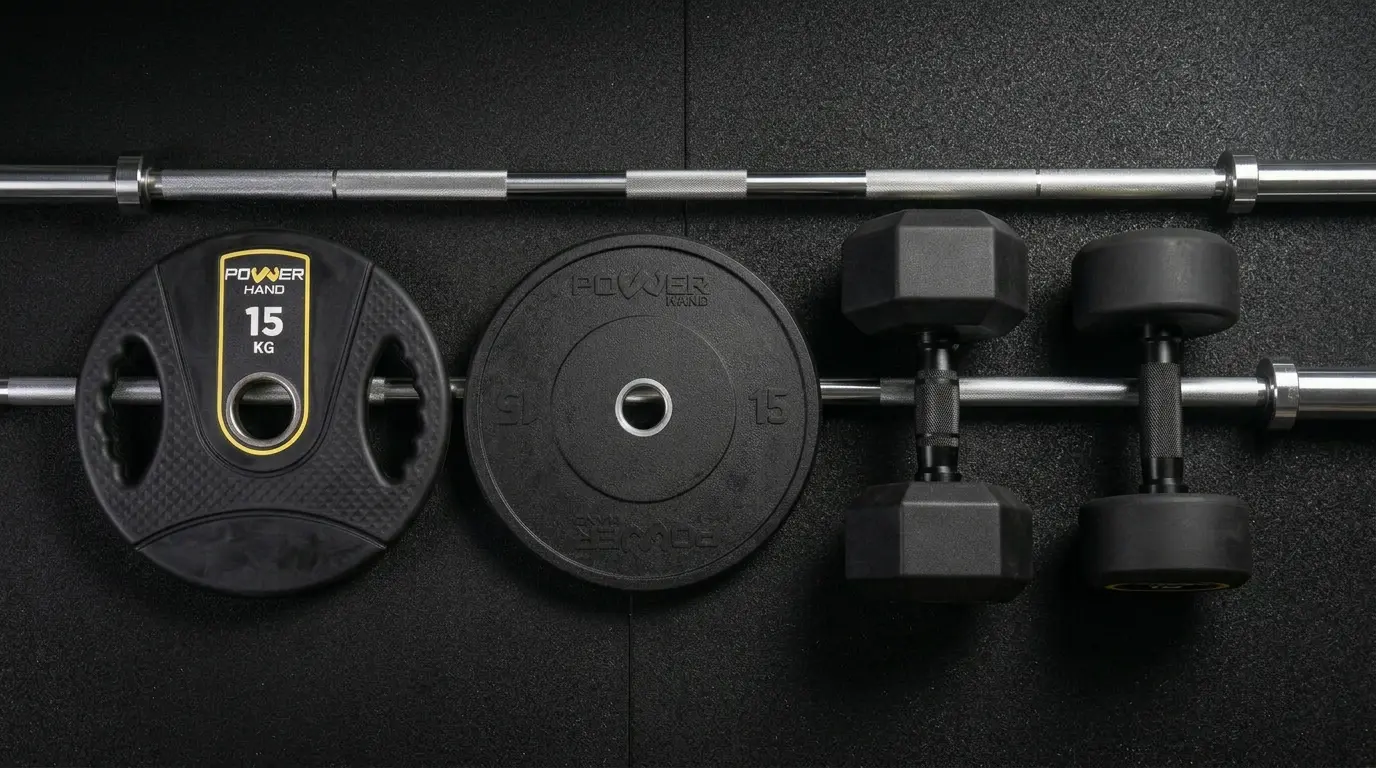
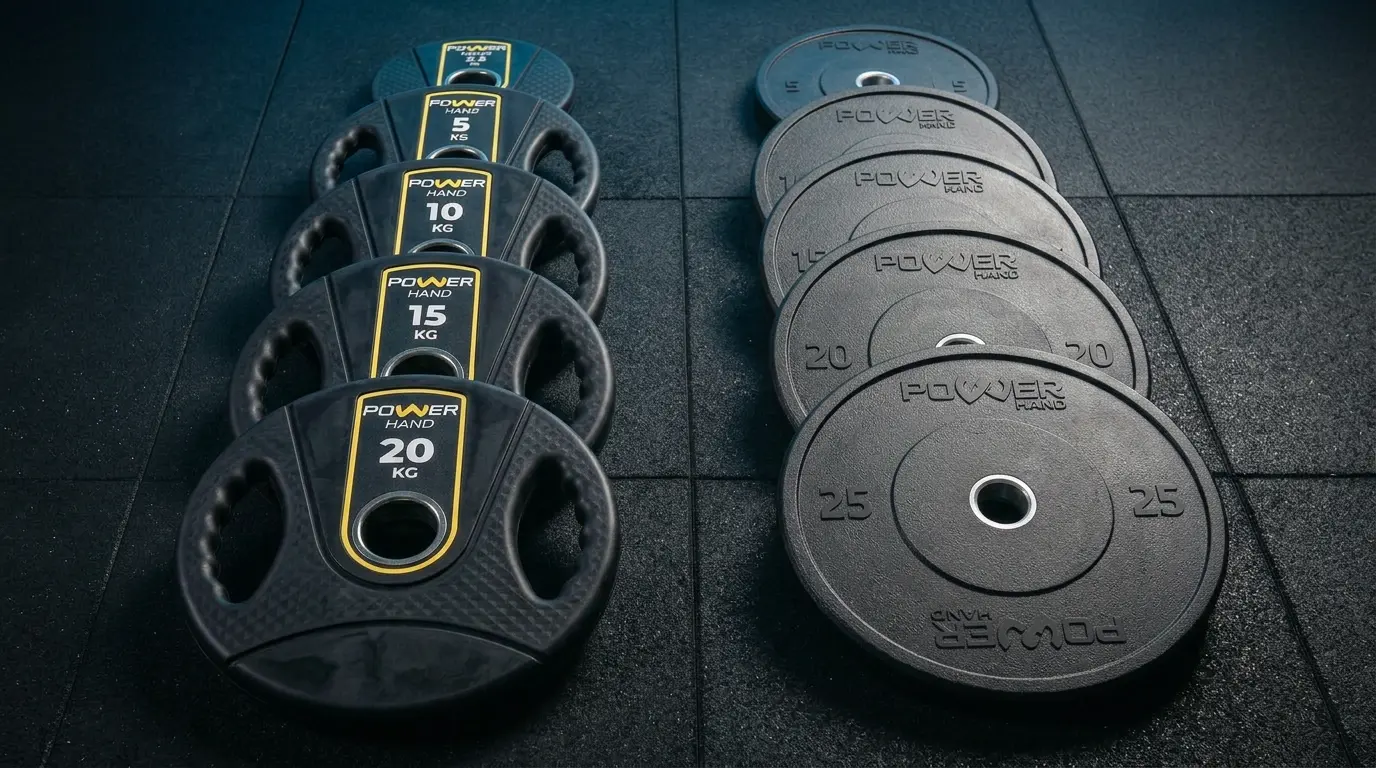
Bumper plates generally fall into three categories. Training bumper plates are the most common and suitable for the majority of CrossFit boxes. They feature a cast iron core fully encased in recycled or virgin rubber, with a standard diameter of 450 mm regardless of weight. This uniform diameter ensures consistent bar height during lifts and drops.
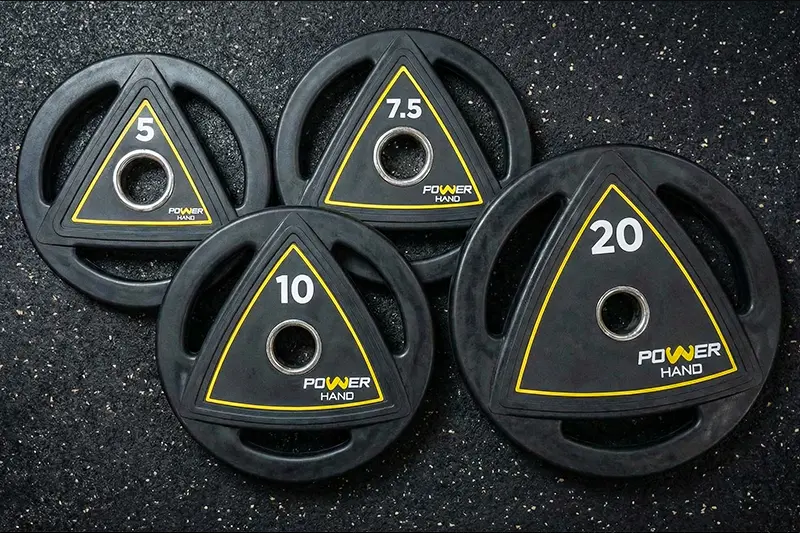
Technique plates are lightweight — typically 2.5 kg to 5 kg — and made from solid rubber or polyurethane. They are used for teaching proper lift mechanics to beginners without significant load. Crumb rubber plates, made from granulated recycled rubber pressed into shape, offer the best value for high-volume environments where plates are dropped thousands of times per week.
Material Matters: Rubber Quality
The rubber used in bumper plates determines bounce behaviour, durability, and odour. High-density rubber produces a controlled, low bounce — ideal for CrossFit where unpredictable bouncing is a safety concern. Lower-density rubber bounces higher and is less durable under repeated dropping.
Recycled rubber is an excellent choice for bumper plates. The granulation and re-pressing process creates a dense, durable plate with good impact absorption. Modern recycled rubber formulations have significantly reduced the odour issues that older products were known for. A well-made recycled rubber bumper plate should have minimal smell after a few days of airing.
The Cast Iron Core
Inside every quality bumper plate is a cast iron hub that fits the Olympic bar sleeve. This core must be precisely machined to maintain a 50.4 mm centre bore that fits snugly on the bar without excessive play. The bond between the cast iron core and the surrounding rubber is critical — a poorly bonded plate will eventually separate under repeated impact, creating a dangerous situation.
Look for plates where the rubber is compression-moulded around the core rather than glued. Compression moulding creates a mechanical and thermal bond that is far more durable than adhesive alone.
Weight Tolerance for CrossFit
Commercial-grade bumper plates typically maintain a tolerance of ±2–3 % of stated weight. For general CrossFit training, this is entirely appropriate. Athletes performing Olympic lifts in a box setting do not require the tighter tolerances of competition-calibrated plates. The cost difference between commercial and competition grades is significant, and most CrossFit programming does not demand calibrated accuracy.
Durability Under Repeated Drops
A busy CrossFit box can see individual plates dropped from overhead hundreds of times per day. Over months and years, this accumulates to tens of thousands of impacts. The best bumper plates maintain their shape, weight, and structural integrity through this abuse. Plates that crack, chip, or develop flat spots after a few months indicate substandard rubber quality or poor bonding.
When evaluating plates from a potential supplier, ask for drop-test data. Reputable manufacturers test their bumper plates by dropping them from a standard height onto concrete — repeatedly — and measuring deformation, weight loss, and structural damage over thousands of cycles.
Colour Coding and Branding
International colour coding helps athletes quickly identify weights during fast-paced workouts. While CrossFit does not strictly enforce IWF colour standards, many boxes prefer to follow the convention for ease of use. Custom colour options are available for boxes that want branded plates matching their gym's colour scheme.
Private label bumper plates with your box's logo embedded in the rubber create a professional, branded environment that members notice and appreciate. The logo is moulded into the rubber during production, ensuring it never peels or fades.
Selecting the Right Set
A well-equipped CrossFit box needs multiple sets of each weight to accommodate class sizes. Start with the most commonly used weights — 10 kg, 15 kg, 20 kg, and 25 kg plates — in sufficient quantity for your typical class size. Technique plates in 2.5 kg and 5 kg complete the range for beginners and warm-ups.
Consider your flooring, drop zone design, and storage solutions when ordering. A supplier that offers partial pallet shipping without minimum order requirements gives you flexibility to scale your inventory as membership grows.
Conclusion
Bumper plates are the backbone of any CrossFit box's equipment arsenal. Choosing the right plates means understanding materials, tolerances, durability, and your specific training demands. Invest in quality plates from a manufacturer that tests rigorously and stands behind their product, and your plates will last for years of intense training. Contact Anka Force Sport for samples and specifications tailored to your box's needs.