The Fitness Industry in Transformation
The global fitness industry continues to evolve at pace. Shifting consumer expectations, technological integration, and a growing emphasis on sustainability are reshaping how gyms operate and what equipment they need. For gym owners and equipment buyers, staying ahead of these trends is not just strategic — it is essential for survival in a competitive market.
Trend 1: Functional Training Continues to Dominate
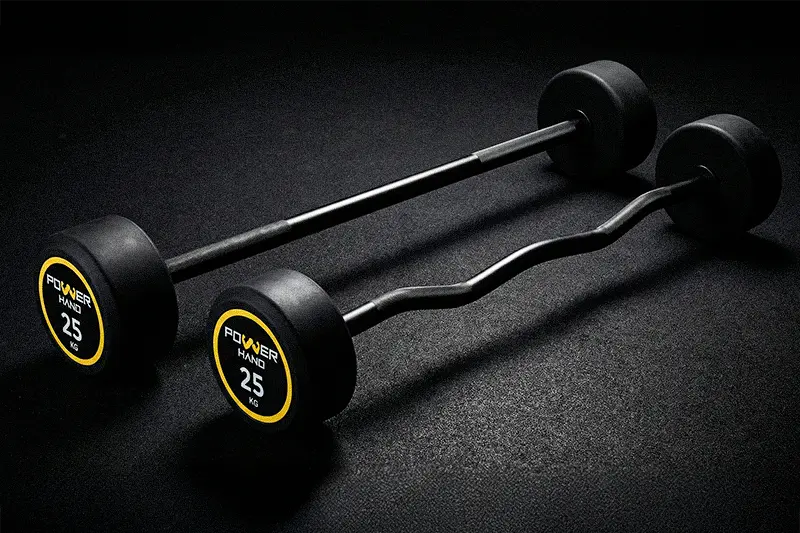
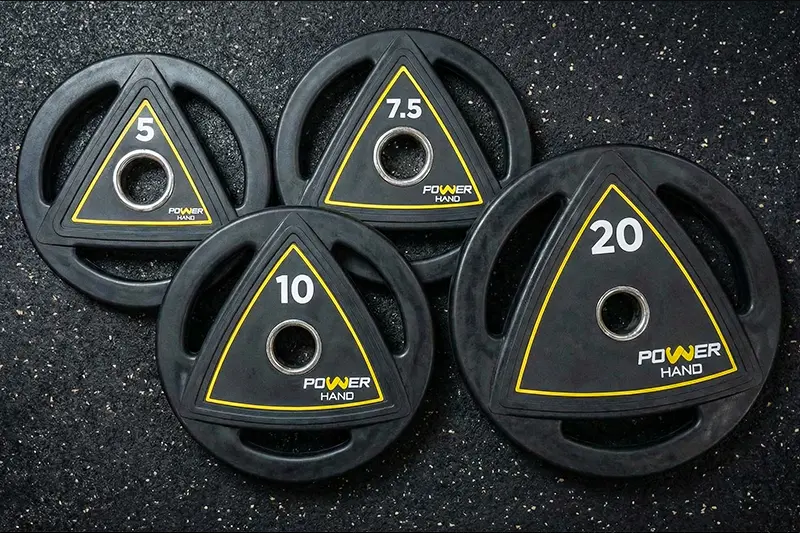
Functional training — exercises that mimic real-world movements — shows no sign of slowing down. CrossFit affiliates, boot-camp-style studios, and hybrid training zones within traditional gyms are driving demand for versatile free-weight equipment. Bumper plates, Olympic bars, kettlebells, and hex dumbbells are the backbone of functional training areas, and gyms are dedicating more floor space to these zones at the expense of machine-heavy layouts.
For equipment buyers, this means investing in durable, commercial-grade free weights that can withstand repeated drops, heavy use, and the intensity of group training sessions. Quality matters more than quantity — a smaller set of well-made bumper plates outperforms a larger inventory of cheap alternatives that need replacement within a year.
Trend 2: Sustainability Is No Longer Optional
Gym members, especially younger demographics, increasingly choose facilities that demonstrate environmental responsibility. This extends to equipment sourcing. Manufacturers that use recycled cast iron and recycled rubber in their products offer gym owners a genuine sustainability story to share with members.
At Anka Force Sport, sustainability has been part of our manufacturing process since the early days. Our Çorlu factory uses recycled cast iron for weight plates and dumbbells, and recycled rubber for bumper plates and rubber-coated products. This is not greenwashing — it is a practical choice that reduces raw material consumption while delivering the same commercial-grade quality and tolerances.
Trend 3: Private Label and Brand Differentiation
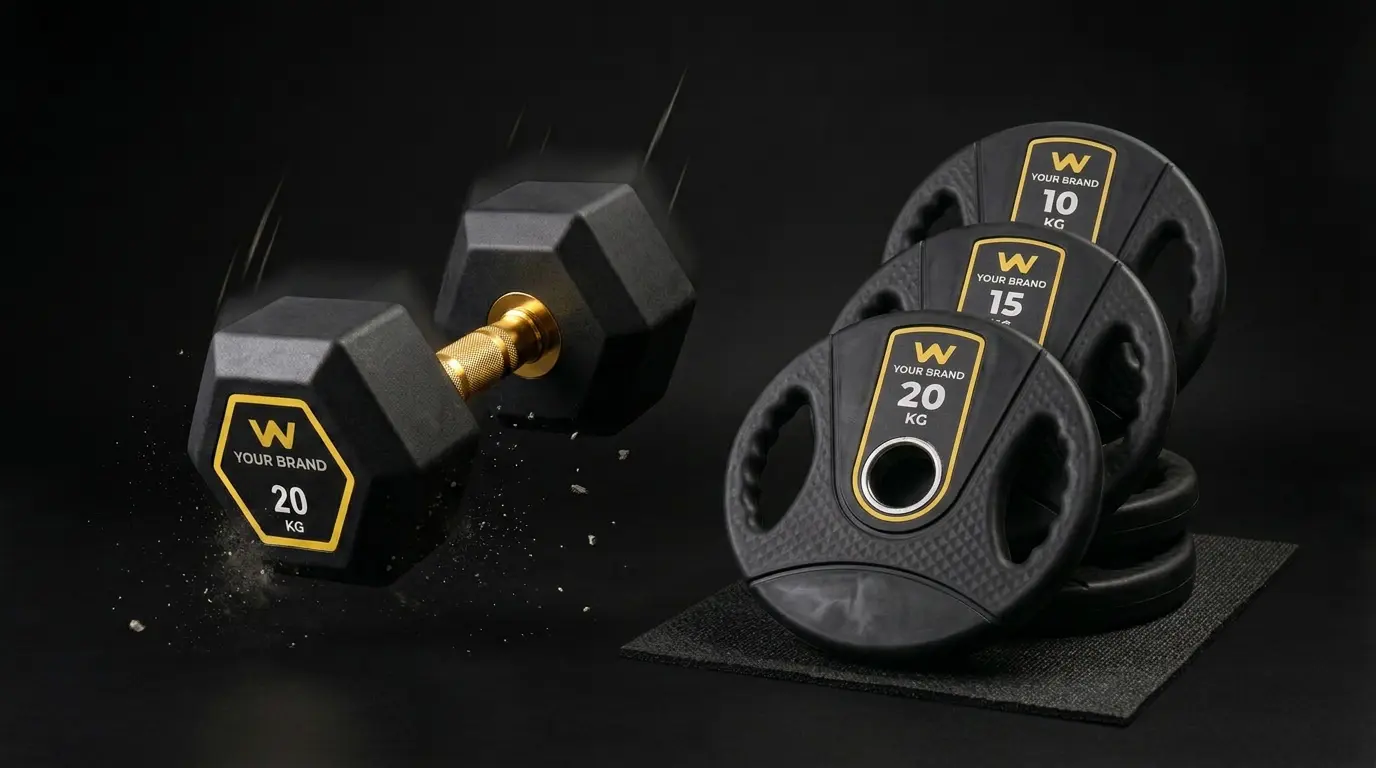
The era of generic gym equipment is fading. Gym chains, boutique studios, and even independent operators are investing in private-label equipment that carries their branding. Custom-branded dumbbells, plates, and bars create a cohesive aesthetic that reinforces brand identity and justifies premium membership positioning.
Manufacturers are responding by lowering minimum order quantities and simplifying the customisation process. Getting your own branded equipment line no longer requires a six-figure investment or container-load commitments.
Trend 4: Regional Sourcing Over Global Supply Chains
Supply chain disruptions over recent years have taught gym operators the value of regional sourcing. European and Middle Eastern buyers who previously sourced exclusively from East Asia are diversifying their supplier base to include Turkish manufacturers. Turkey offers geographic proximity, fast road delivery to Europe and the Middle East, competitive quality, and no minimum order requirements from manufacturers like Anka Force Sport.
Regional sourcing also reduces carbon footprint — shipping equipment by road from Turkey to Central Europe produces a fraction of the emissions compared to container shipping from Asia.
Trend 5: Strength Training Attracts New Demographics
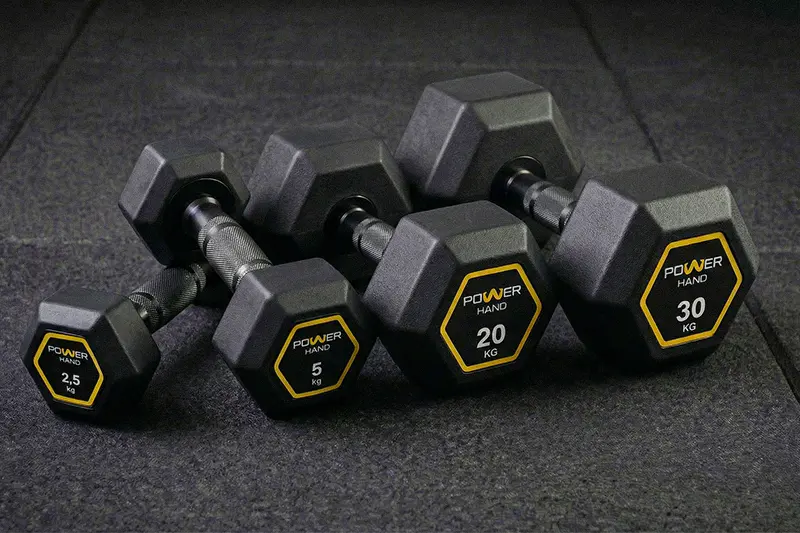
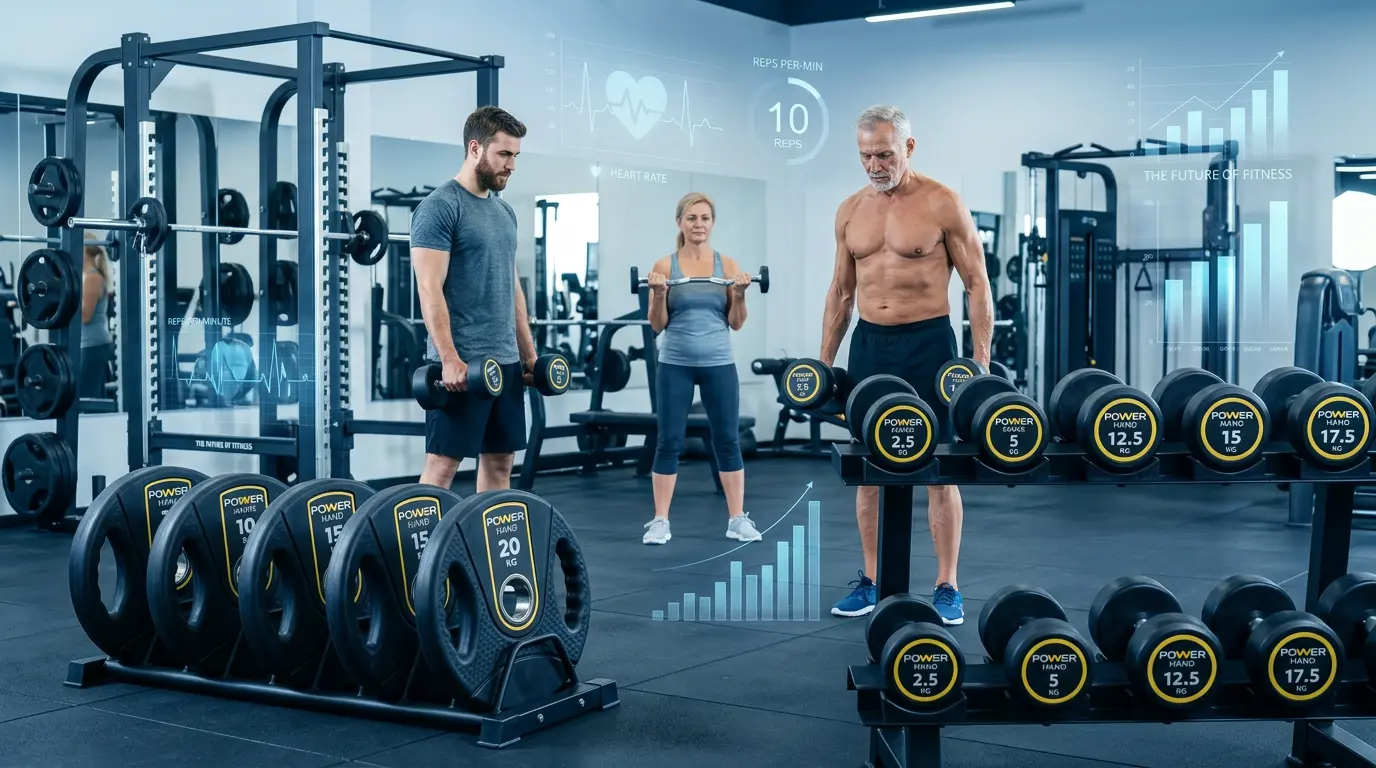
Strength training is no longer the domain of bodybuilders and competitive athletes. Health-conscious adults, seniors, and rehabilitation patients are entering the weight room in increasing numbers, driven by research linking resistance training to longevity, bone density, and mental health. Gyms are expanding their dumbbell ranges downward — lighter hex dumbbells starting at 1 kg or 2 kg — and adding more dumbbell racks to accommodate the growing demand.
This trend creates opportunities for equipment suppliers to offer comprehensive dumbbell sets with fine weight increments, paired with sturdy racks that keep the free-weight area organised and accessible.
Trend 6: Data-Informed Equipment Decisions
Smart gym management platforms now track which equipment pieces get the most use, during which hours, and by which member segments. This data is informing purchasing decisions in ways that gut instinct never could. Owners are learning that their free-weight area generates more member engagement per square metre than rows of cardio machines — and they are reallocating floor space and budget accordingly.
Trend 7: Hybrid Spaces and Multi-Use Design
Commercial gyms are moving away from rigid single-purpose zones. Modern layouts feature open spaces that can be reconfigured for group classes, personal training sessions, or individual workouts throughout the day. Equipment that is portable, stackable, and versatile — bumper plates, Olympic bars, adjustable racks — supports this flexibility better than fixed machines.
Conclusion
The trends shaping 2026 and 2027 point in a clear direction: quality over quantity, sustainability over disposability, and brand identity over generic sameness. Gym owners who align their equipment strategy with these trends will build facilities that attract and retain members in an increasingly competitive landscape. Anka Force Sport is ready to support this transition — contact us to discuss equipment solutions that match where the industry is heading.