The Rise of Private Label Fitness Brands
The global fitness equipment market is no longer dominated solely by legacy brands. Over the past decade, private label and white-label fitness equipment has become a powerful business model for gym chains, distributors, e-commerce retailers, and even individual gym owners who want to differentiate their facilities. The barrier to entry has dropped significantly thanks to manufacturers willing to produce custom-branded equipment without imposing minimum order quantities.
What Is Private Label Fitness Equipment?
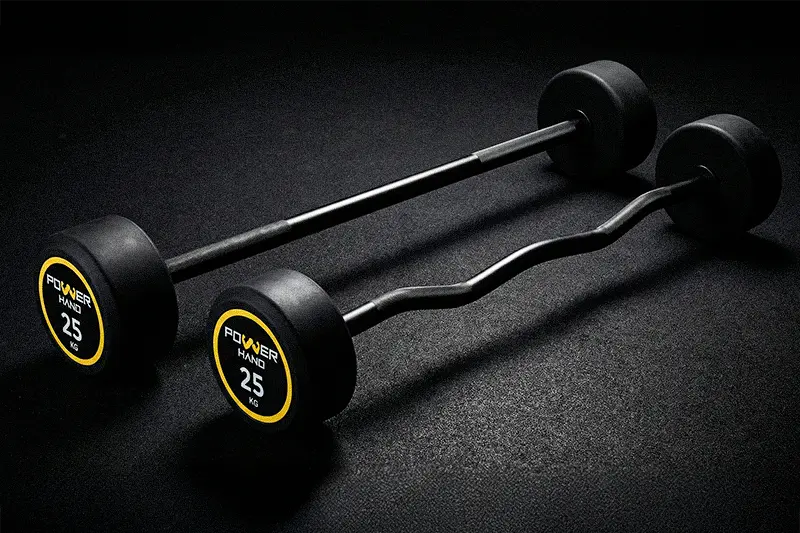
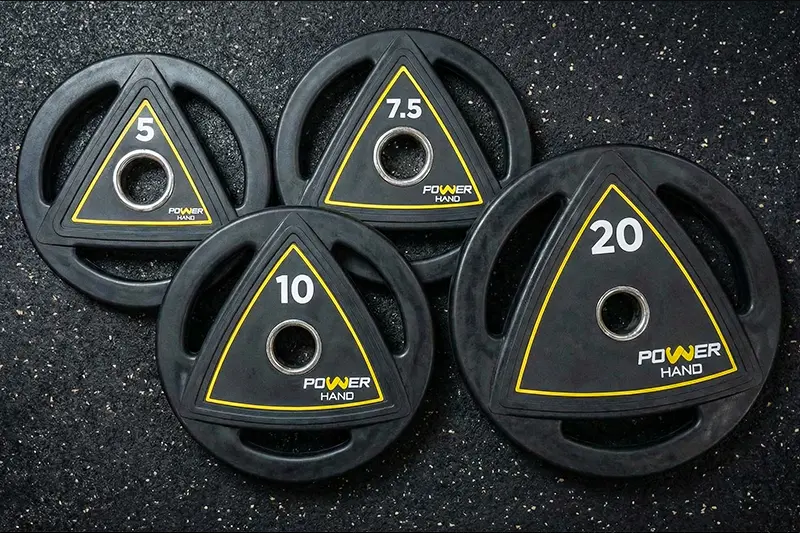
Private label means a product manufactured by one company and sold under another company's brand name. In the fitness equipment context, a manufacturer like Anka Force Sport produces dumbbells, weight plates, barbells, or racks to your specifications, complete with your logo, colour scheme, and packaging. You sell the finished product under your own brand — your customers see your name, not the manufacturer's.
This is different from simply reselling a generic product. True private label involves embedding your brand into the product itself — logos cast into iron, colours moulded into rubber, and packaging designed around your visual identity.
Why Go Private Label?
Brand recognition is the most obvious benefit. When every dumbbell, plate, and bar in your gym carries your logo, you create a cohesive, professional environment that reinforces brand loyalty. For distributors, private label products carry higher margins than reselling established brands, because you control the positioning and perceived value.
Private label also gives you control over product specifications. You can specify weight increments, rubber colours, handle knurling patterns, and finish types that match your market's preferences — something impossible when buying off-the-shelf products from a catalogue.
The Private Label Process: Step by Step
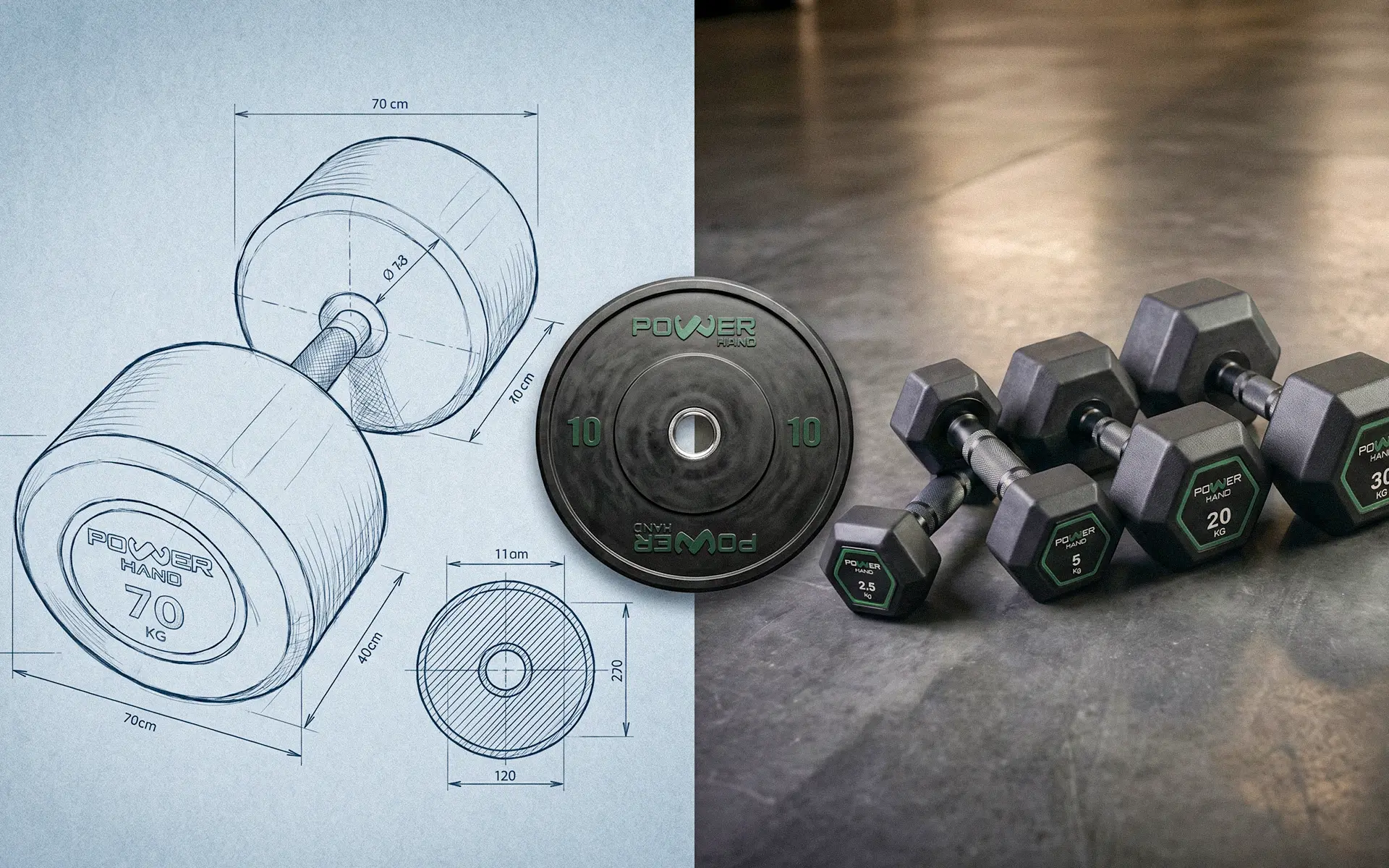
The journey begins with a consultation between you and the manufacturer. You share your brand guidelines — logo files, colour codes, typography — and describe the products you need. The manufacturer's design team creates mock-ups showing how your branding will appear on each product.
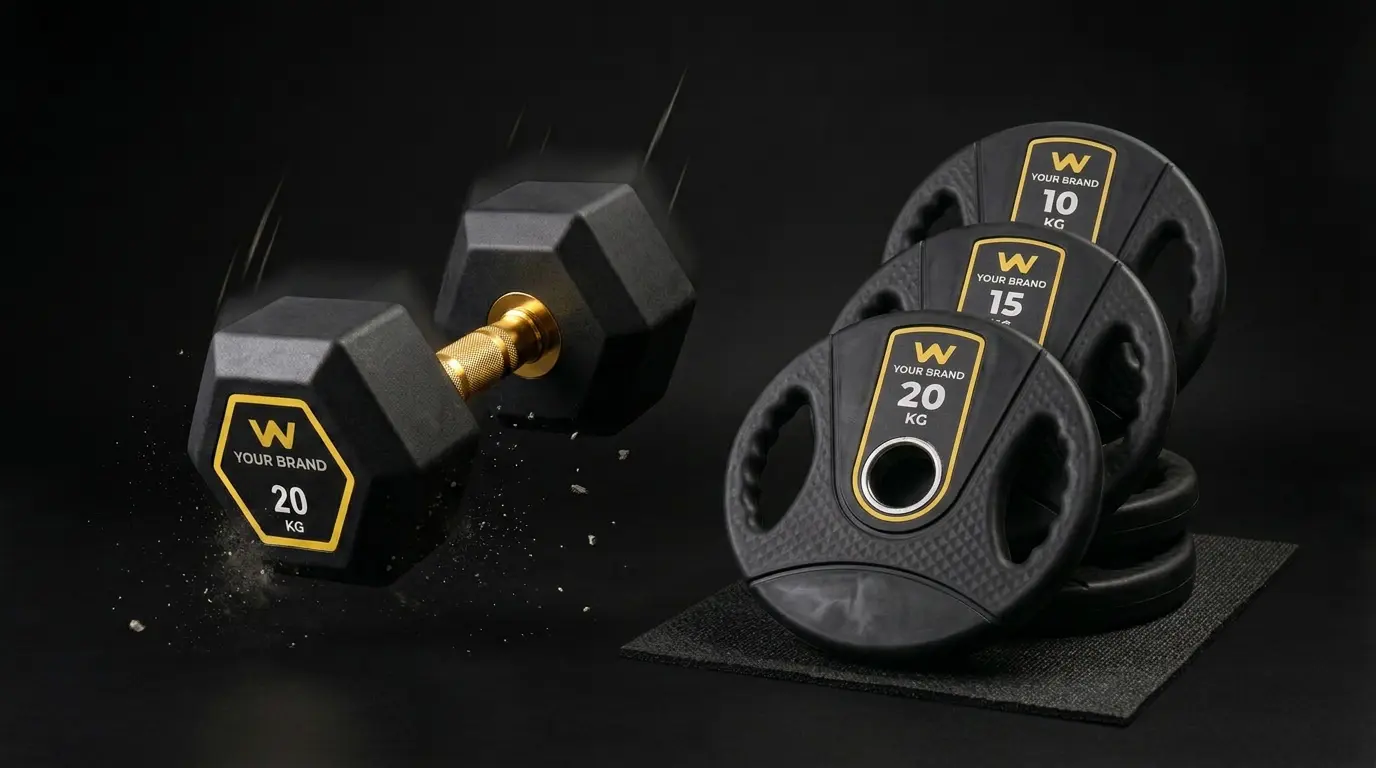
Once designs are approved, the manufacturer modifies existing moulds or creates new ones to incorporate your logo and markings. For cast iron products like dumbbells and weight plates, your logo is carved into the mould so that every piece produced carries your brand as a permanent, raised feature. This is far more durable than screen-printing or adhesive labels.
Production samples are made and shipped to you for approval. You check weight accuracy, finish quality, branding clarity, and overall aesthetics. After sign-off, full production begins. The manufacturer handles quality control, packaging in your branded boxes or wrapping, and palletisation for shipping.
Branding Options Available
Modern fitness equipment manufacturers offer several branding levels. At the basic level, your logo is applied via laser engraving or pad printing on existing product designs. At the mid-level, custom rubber colours and embedded logos in moulds create a more distinctive product. At the premium level, fully custom mould designs, unique product shapes, and bespoke packaging deliver a truly exclusive line.
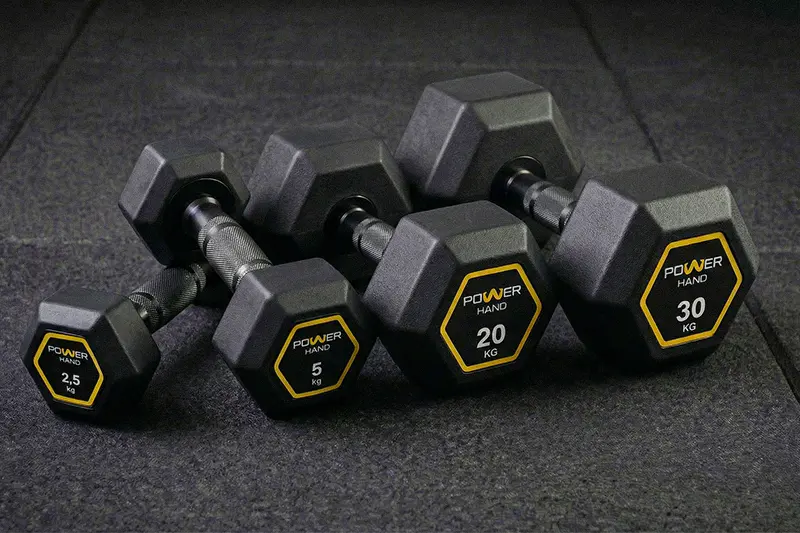
For rubber-coated products like bumper plates and hex dumbbells, the rubber colour can be matched to your brand's colour palette. Custom end caps on dumbbells, branded collars, and logo-embossed rubber surfaces are all achievable within standard production processes.
No Minimum Order Quantity: A Game Changer
Historically, private label manufacturing required massive order volumes that only large companies could afford. Today, manufacturers like Anka Force Sport offer private label production with no minimum order quantity. This means a boutique gym ordering 20 pairs of branded dumbbells receives the same quality and customisation as a chain ordering 2,000 pairs. Partial pallet shipping makes small orders economically viable.
Quality Control and Tolerances
Your brand reputation depends on product quality. Insist on documented tolerance standards — commercial-grade equipment should maintain ±2–3 % weight accuracy. Request production batch reports and consider on-site quality audits for large orders. A reliable manufacturer will provide material certificates, inspection records, and sample approvals as standard practice.
Logistics and Lead Times
Private label orders typically require slightly longer lead times than stock products due to mould preparation and custom packaging. Plan for four to eight weeks from order confirmation to shipment, depending on order size and customisation complexity. Fast road delivery from Turkey to Europe and the Middle East can further compress your time-to-market.
Conclusion
Private label fitness equipment is an accessible, profitable strategy for businesses of all sizes. Whether you are a gym chain, distributor, or e-commerce brand, partnering with the right manufacturer transforms your vision into tangible products that build brand equity with every use. Anka Force Sport has helped brands across more than 50 countries bring their own equipment lines to market — reach out to start your private label journey.