Cast Iron: The Foundation of Free Weights
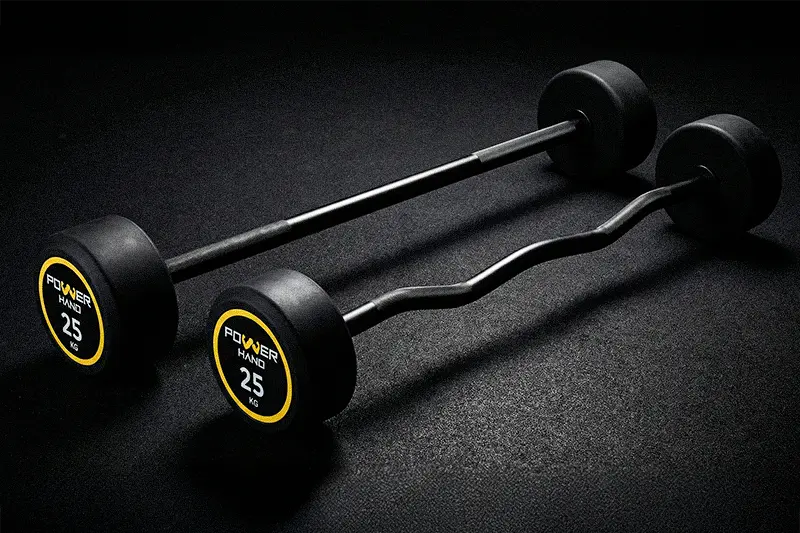
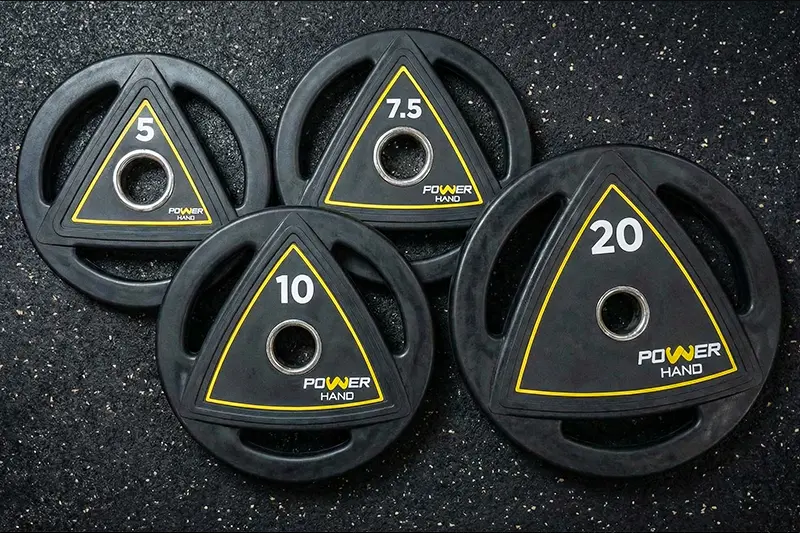
Every serious free-weight product — from a 2.5 kg dumbbell head to a 25 kg Olympic plate — starts with cast iron. This material has been the backbone of fitness equipment manufacturing for over a century because it offers the ideal combination of density, machinability, vibration damping, and dimensional stability. When you pick up a well-made dumbbell, the satisfying weight and balance come from the properties of cast iron.
What many buyers do not realise is that recycled cast iron performs identically to virgin cast iron in fitness applications. At Anka Force Sport in Tekirdağ, we have built our entire production philosophy around this fact, and the results speak for themselves across thousands of commercial gyms worldwide.
How Recycled Cast Iron Is Produced
Recycled cast iron comes from scrap metal — automotive parts, industrial machinery, construction materials, and other end-of-life iron products. This scrap is sorted, cleaned, and melted in electric induction furnaces at temperatures exceeding 1400 degrees Celsius. During melting, the chemical composition is analysed and adjusted to meet the exact grade specifications required for fitness equipment.
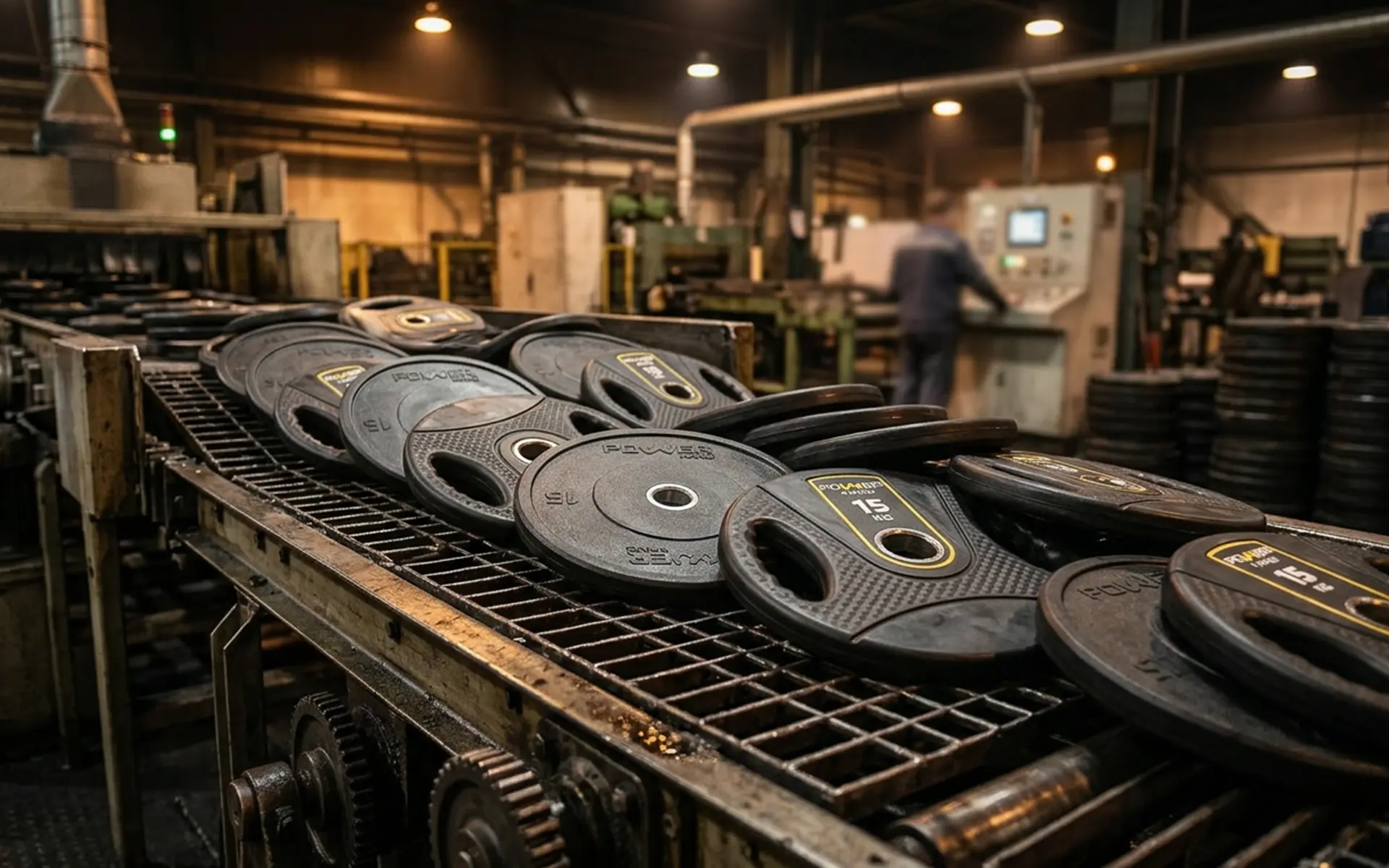
The molten iron is then poured into sand moulds shaped to produce dumbbell heads, weight plate blanks, or other components. After cooling, the castings are removed from their moulds, cleaned of residual sand, and machined to final dimensions. The entire process ensures that recycled material achieves the same metallurgical properties as iron smelted from ore.
Quality Without Compromise
A common misconception is that recycled means inferior. In metallurgy, this is categorically false. When scrap iron is melted and re-cast, the crystal structure is completely reformed. The resulting material has no memory of its previous life — it is, for all practical purposes, new iron with a controlled composition. Weight tolerances of ±2–3 % that define commercial-grade fitness equipment are met just as reliably with recycled feedstock.
Mechanical testing confirms this: tensile strength, hardness, and impact resistance values for recycled cast iron fall within the same ranges as virgin material. Anka Force Sport conducts batch testing on every production run to verify these properties, ensuring consistent quality regardless of the raw material source.
Environmental Benefits
The environmental case for recycled cast iron is compelling. Producing iron from ore requires mining, transportation of raw materials, and blast furnace smelting — all energy-intensive processes with significant carbon emissions. Recycled cast iron production, by contrast, uses electric induction furnaces that consume substantially less energy per tonne of finished product.
Using recycled feedstock also diverts scrap metal from landfills and reduces the demand for virgin mining. For gym owners and distributors who increasingly face questions from environmentally conscious consumers, equipment made from recycled cast iron provides a genuine sustainability story backed by measurable data.
Pairing Recycled Cast Iron with Recycled Rubber
The sustainability advantage compounds when recycled cast iron cores are combined with recycled rubber coatings. Recycled rubber — sourced primarily from end-of-life tyres — undergoes processing to remove contaminants and is then formulated into compounds suitable for encasing weight plates and dumbbell heads. The resulting products deliver excellent floor protection, noise reduction, and durability.
This combination of recycled cast iron and recycled rubber means that a complete dumbbell set can be manufactured with a fraction of the virgin resource consumption of conventional production. It is a tangible example of circular economy principles applied to the fitness industry.
Choosing the Right Supplier
Not all recycled cast iron is equal. The quality depends on the foundry's process control, composition management, and quality assurance protocols. When evaluating suppliers, ask for material test certificates, documented tolerance reports, and information about their scrap sourcing and sorting procedures. A transparent manufacturer will share these details willingly.
Conclusion
Recycled cast iron is not a compromise — it is a smart material choice that delivers identical performance while dramatically reducing environmental impact. As the fitness industry moves toward more sustainable practices, equipment built on recycled foundations will become the standard, not the exception. Anka Force Sport is proud to lead this transition from our manufacturing facility in Tekirdağ. Contact us to learn more about our sustainable production processes.