Introduction: Two Metals, Different Roles
Walk into any commercial gym and you will find both cast iron and steel in use — but in very different applications. Understanding the properties of each metal helps buyers, gym owners, and equipment distributors make informed decisions. At Anka Force Sport, we use both materials in our manufacturing process, each selected for its specific strengths.
What Is Cast Iron?
Cast iron is an iron-carbon alloy with a carbon content above two percent. It is produced by melting iron in a furnace, adding precise amounts of carbon and silicon, and pouring the molten metal into moulds. The result is a dense, rigid material that can be cast into complex shapes with excellent dimensional accuracy.
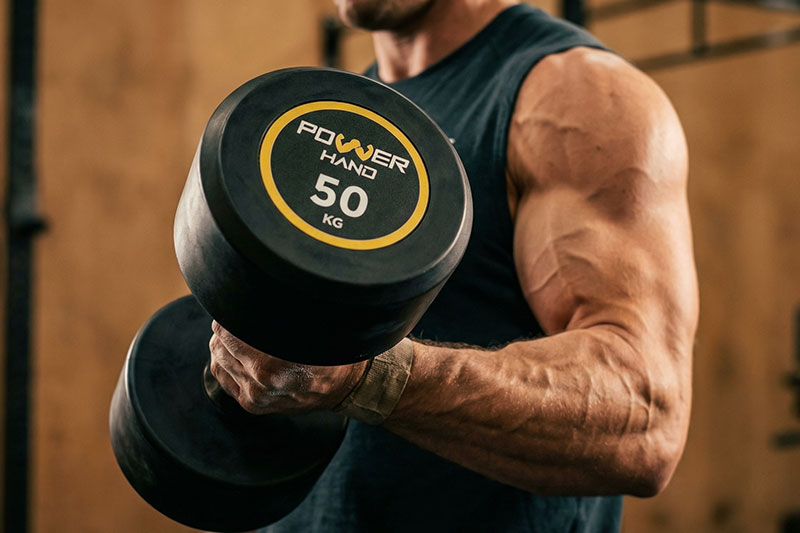
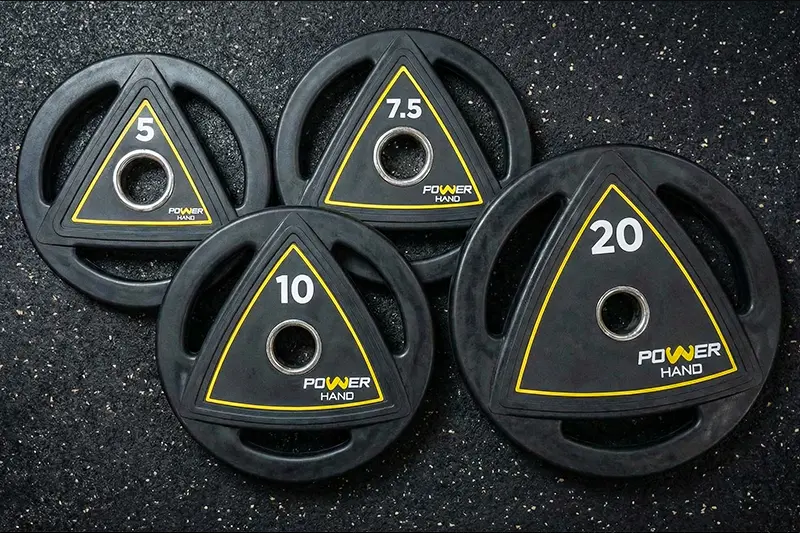
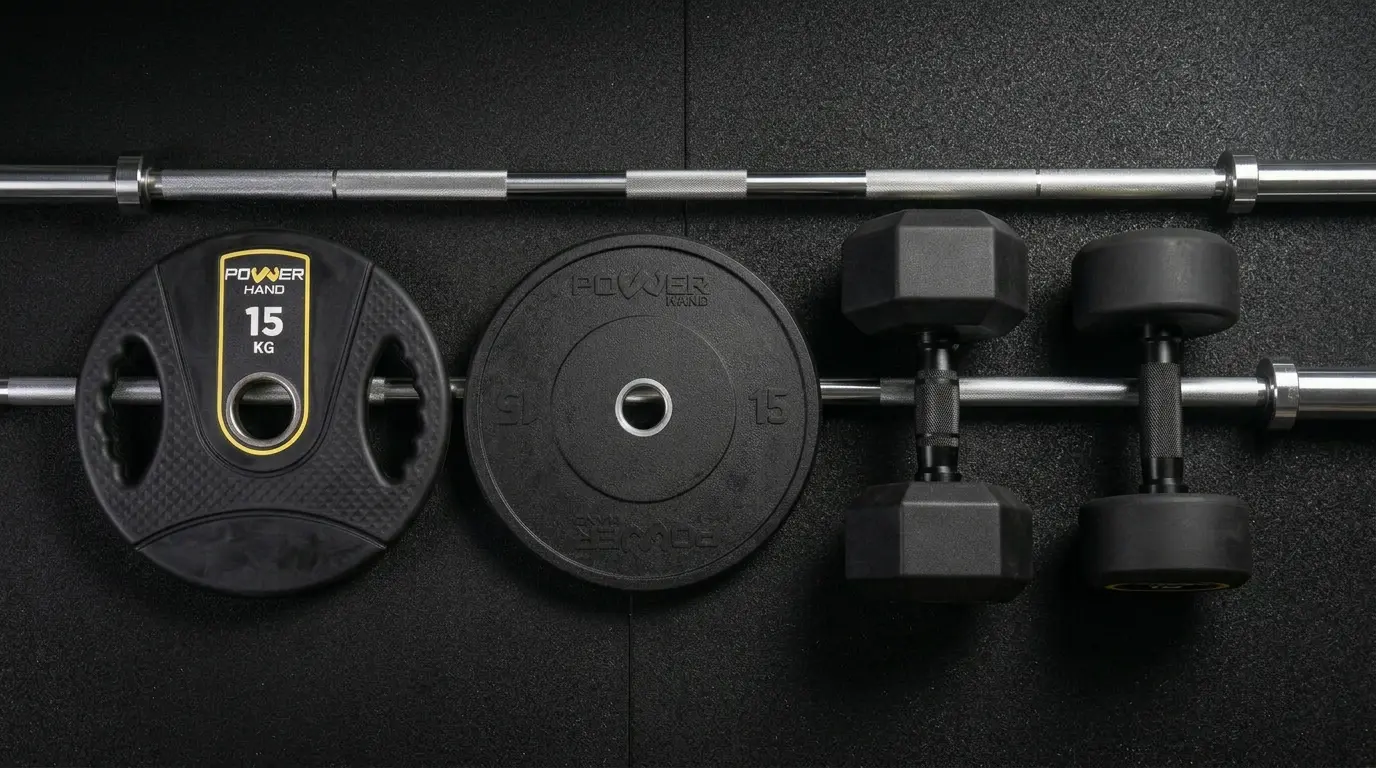
In fitness equipment, cast iron is the primary material for weight plate cores, dumbbell heads, and kettlebell bodies. Its density provides the compact mass needed for free weights, while its casting properties allow manufacturers to produce weights with embedded logos, precise weight markings, and consistent tolerances.
What Is Steel?
Steel is also an iron-carbon alloy, but with a much lower carbon content — typically below two percent. This gives steel greater tensile strength and flexibility compared to cast iron. Steel can be drawn into bars, tubes, and sheets, making it ideal for structural applications that require resistance to bending and impact.
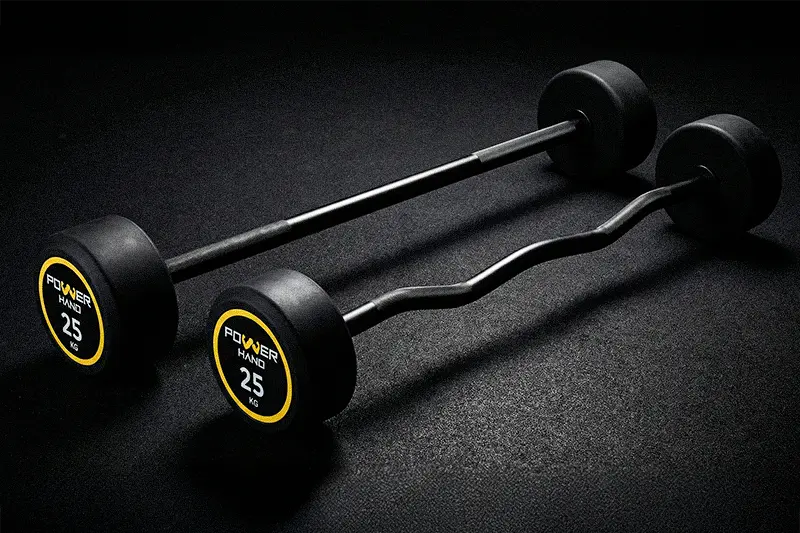
In the fitness world, steel is used for Olympic bar shafts, rack frames, bench structures, cable machine components, and dumbbell handles. High-tensile steel bars must withstand dynamic loading — the flex and whip of a loaded Olympic bar during lifts — which cast iron simply cannot provide.
Key Differences at a Glance
Cast iron excels in compressive strength and castability. It absorbs vibration well, which is why a cast iron plate feels solid and stable when placed on a bar or dropped from waist height. However, cast iron is brittle under sharp impact — drop a bare cast iron plate on a concrete floor from overhead and it may chip or crack.
Steel offers superior tensile strength and ductility. It bends rather than breaks under extreme loads, making it the only appropriate choice for barbell shafts and structural components. Steel is also weldable, which is why equipment frames are fabricated from steel tubing joined by welding.
Why Cast Iron for Weight Plates and Dumbbells?
The density of cast iron means you can achieve the required weight in a relatively compact form. A 20 kg cast iron plate is noticeably thinner than a 20 kg plate made from lower-density materials. This matters when you need to load multiple plates onto a barbell sleeve — thinner plates mean more total weight capacity.
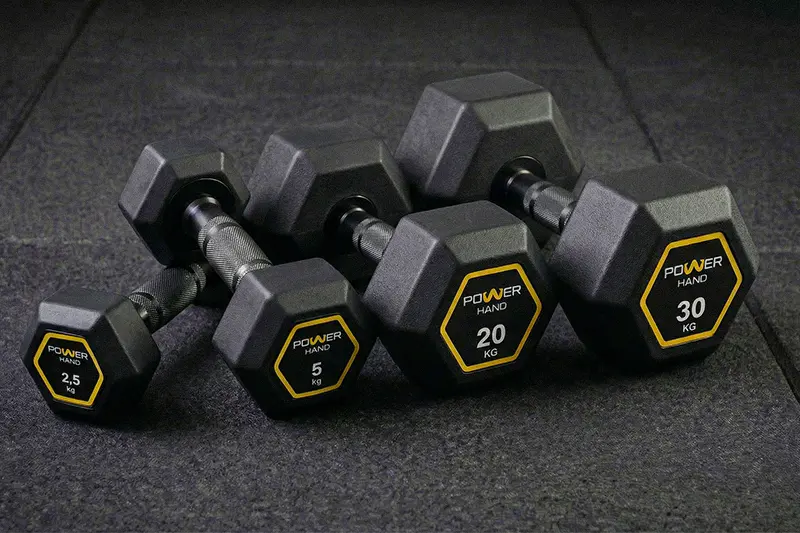
Cast iron also accepts rubber encapsulation exceptionally well. Recycled rubber can be permanently bonded to cast iron cores to create bumper plates, rubber hex dumbbells, and encased Olympic plates. The thermal compatibility between cast iron and rubber ensures a durable bond that withstands years of heavy use.
Why Steel for Bars and Frames?
An Olympic bar must support dynamic loads well above its static rating. When a lifter drops 200 kg from overhead, the bar flexes and rebounds — this behaviour is desirable and is only possible with high-tensile steel. Cast iron would shatter under the same conditions.
Rack uprights, bench frames, and dumbbell rack structures are fabricated from steel tubing for the same reason: steel absorbs energy through deformation rather than fracture. A steel rack that receives an accidental impact from a dropped barbell will dent rather than crack, maintaining structural integrity.
Recycled Materials: Cast Iron Leads the Way
Recycled cast iron is widely used in fitness equipment manufacturing. Scrap iron and steel are remelted in cupola or induction furnaces, with the carbon content adjusted to specification. When processed correctly, recycled cast iron delivers mechanical properties identical to virgin material. This makes it an environmentally responsible choice without any compromise in quality.
At Anka Force Sport, our Çorlu factory uses recycled cast iron for weight plate and dumbbell production, contributing to a circular economy while maintaining the commercial-grade tolerances of ±2–3 % that our customers expect.
Conclusion
Cast iron and steel are not competing materials — they are complementary. Cast iron is the right choice for weight plates, dumbbell heads, and any application where density, castability, and vibration absorption matter. Steel is essential for bars, frames, and structural components that must resist bending and impact. Understanding this distinction helps you specify the right equipment and evaluate manufacturers effectively.