The European Fitness Market Opportunity
Europe is one of the world's largest fitness markets, with over 65,000 fitness facilities serving more than 65 million members. The market continues to grow, driven by increasing health awareness, government wellness initiatives, and a post-pandemic renewed commitment to physical fitness. For entrepreneurs considering opening a gym in Europe, the opportunity is substantial — but so is the complexity of getting it right.
Market Research: Know Your Region
Europe is not a monolithic market. Gym penetration rates, consumer preferences, pricing expectations, and competitive landscapes vary enormously between countries and even between cities within the same country. Germany, the UK, France, Italy, and Spain are the five largest markets by membership, but emerging markets in Central and Eastern Europe — Poland, Romania, Czech Republic — offer faster growth rates and less saturation.
Before committing to a location, research local demographics, competitor density, average membership fees, and seasonal patterns. University towns, business districts, and residential suburbs with young professional populations typically support gym businesses well.
Legal and Regulatory Framework
Each European country has its own regulations governing fitness facilities. Common requirements include business registration, health and safety compliance, fire safety certification, insurance obligations, and data protection (GDPR for member data). Some countries require specific qualifications for gym staff and personal trainers.
Building regulations determine ceiling heights, ventilation requirements, emergency exit placement, and accessibility standards for people with disabilities. Engage a local lawyer and accountant early in the planning process to navigate country-specific requirements efficiently.
Location Selection
Location is the single most important decision in the gym business. High visibility and easy access drive membership sign-ups more than any marketing campaign. Ground-floor premises with street frontage, good parking or public transport access, and at least 500 square metres of usable space provide a solid foundation for a commercial gym.
Negotiate lease terms carefully — gym fit-outs require significant investment, so aim for a minimum lease term of ten years to amortise your setup costs. Break clauses, rent review mechanisms, and responsibility for structural maintenance should all be clearly defined in the lease.
Equipment Planning and Sourcing
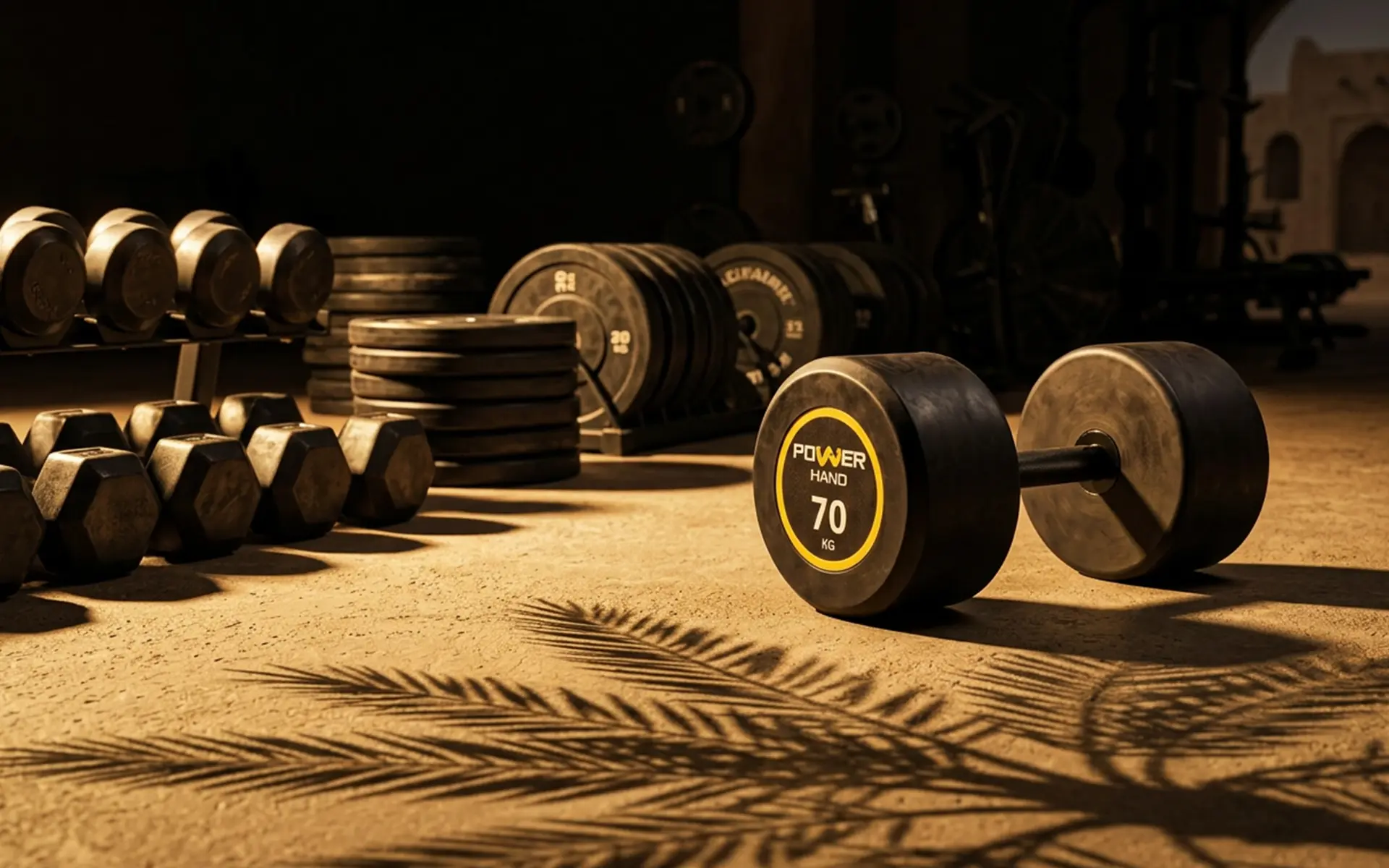
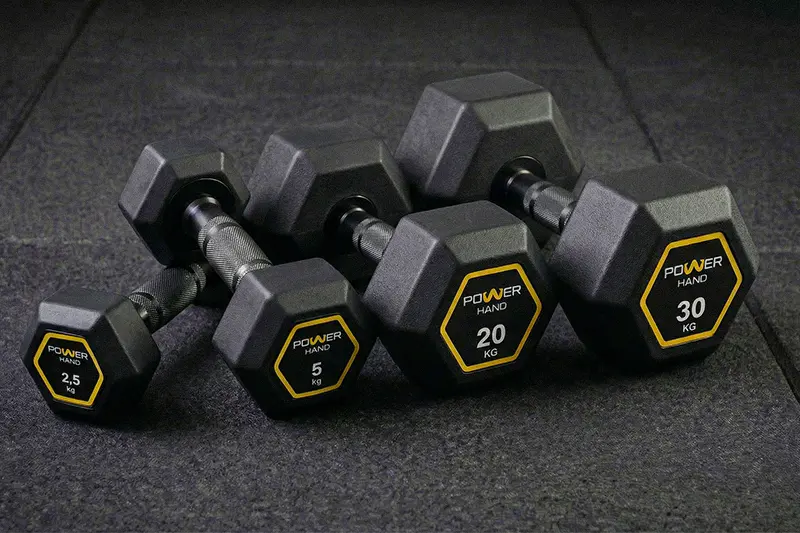
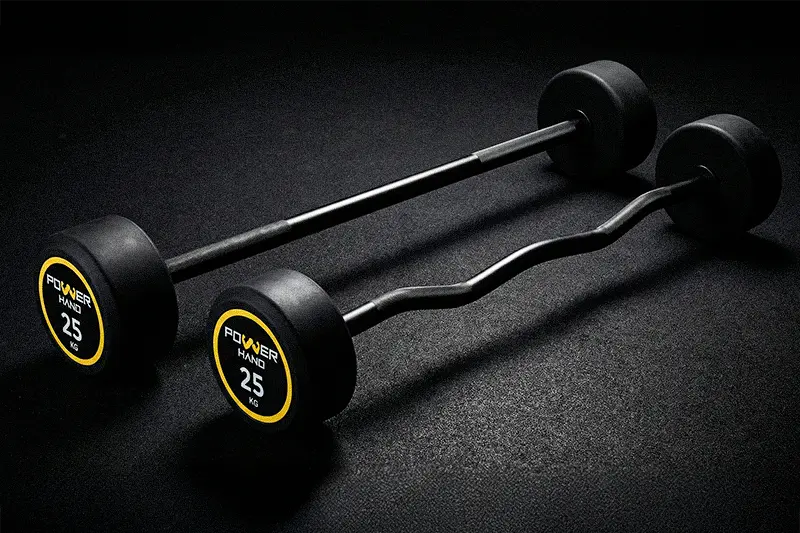
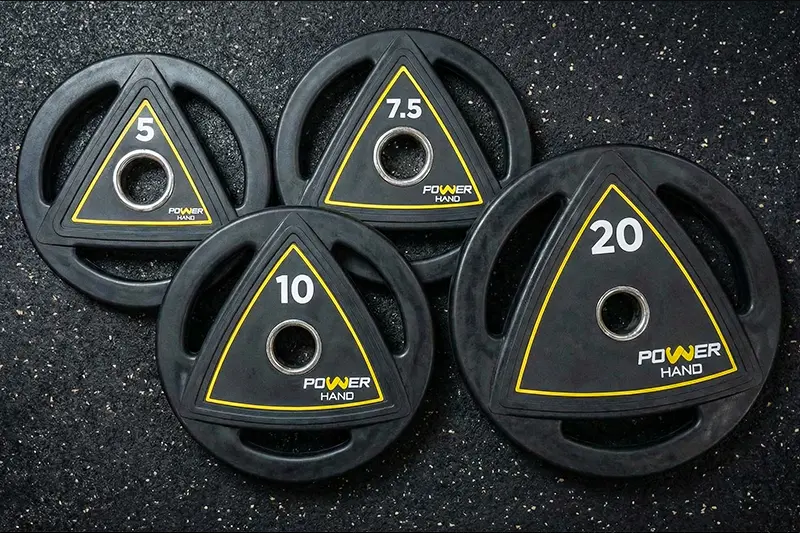
Equipment typically represents 30–40 % of total startup costs for a commercial gym. Plan your equipment list based on your layout design, target market, and budget. A balanced facility needs a comprehensive free-weight area with hex dumbbells, Olympic bars, bumper plates, and Olympic weight plates, complemented by benches, racks, and dumbbell storage.
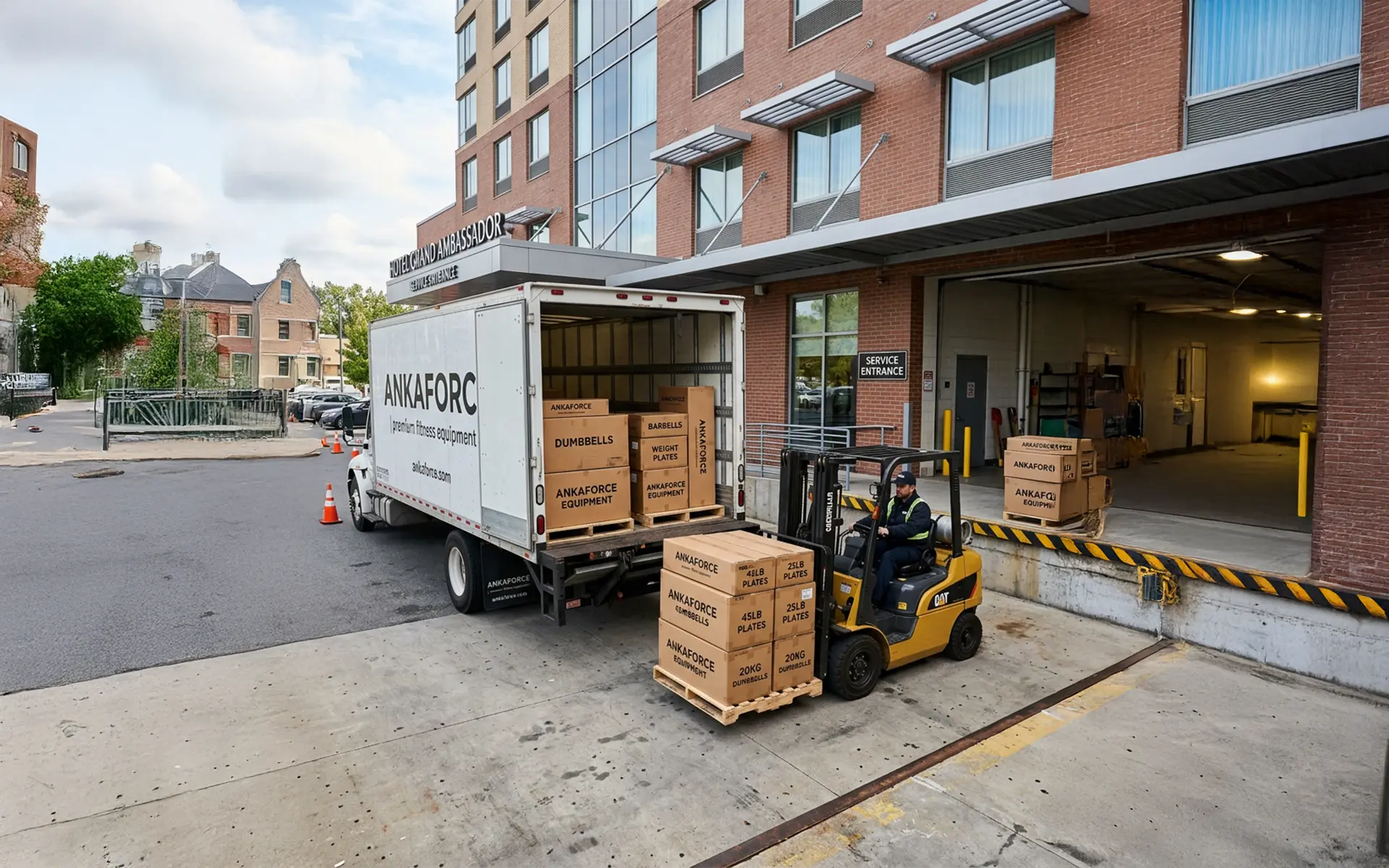
Sourcing from a Turkish manufacturer like Anka Force Sport offers European gym operators significant advantages: duty-free entry under the EU-Turkey Customs Union, fast road delivery across the continent, no minimum order quantity, and the ability to scale your equipment inventory incrementally as membership grows. Partial pallet shipping means you can order exactly what you need without overstocking.
Gym Layout and Design
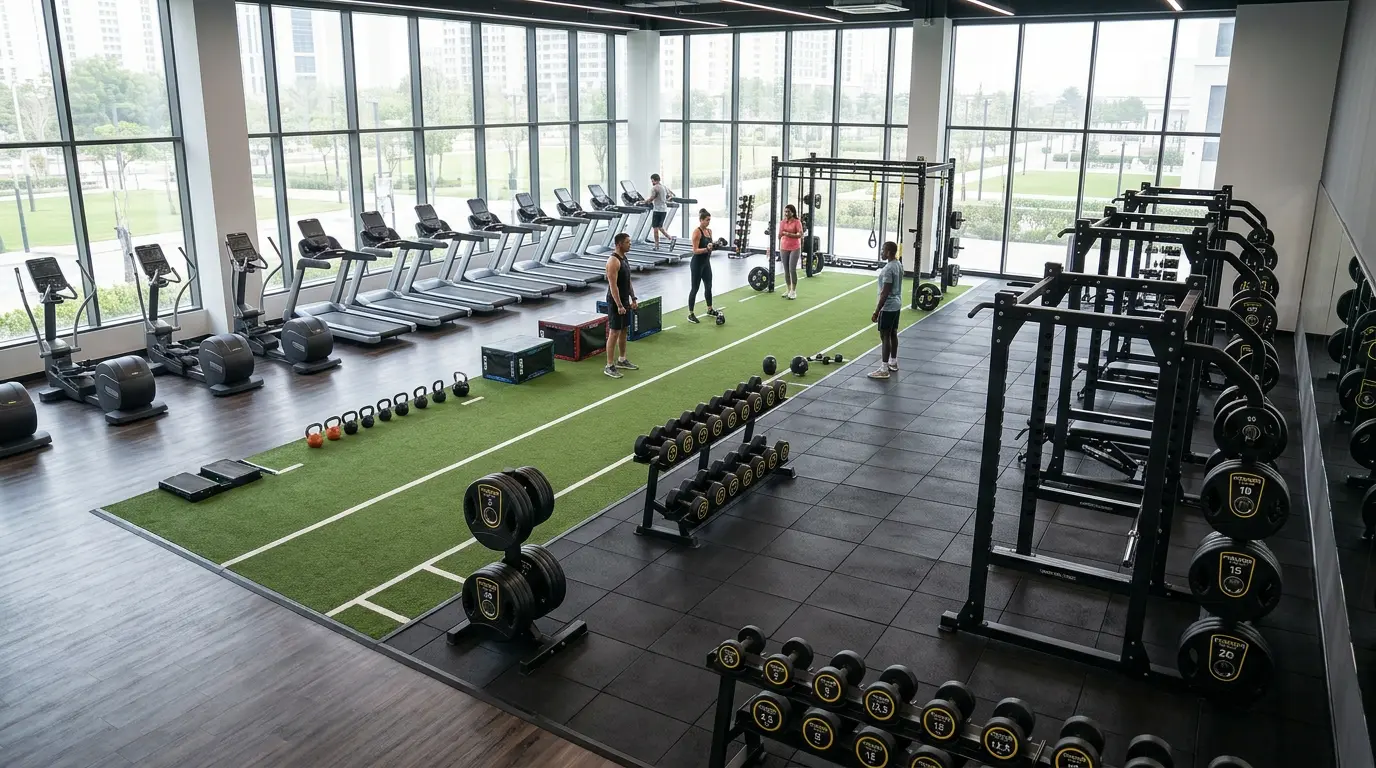
Allocate your floor space across zones: free weights (25–30 % of space), cardio (20–25 %), functional training (15–20 %), stretching and mobility (10 %), and circulation and facilities (20–25 %). Within the free-weight zone, ensure adequate spacing between equipment — two metres in front of dumbbell racks, 1.5 metres between benches, and dedicated Olympic lifting platforms with safety clearance.
Invest in quality flooring from day one. High-density rubber flooring in the weight area protects your structural floor, reduces noise, and extends the life of dropped equipment. This is not an area to cut costs — floor replacement during operation is massively disruptive.
Staffing and Operations
Staff are the face of your gym. Invest in qualified, friendly team members who genuinely care about helping people achieve their fitness goals. At minimum, you need reception staff, qualified fitness instructors, a cleaning team, and a manager. Personal trainers can be employed or operate as independent contractors — the model varies by country and has different regulatory implications.
Marketing and Launch Strategy
Pre-sale campaigns beginning three to six months before opening generate founding members and validate demand. Offer early-bird membership rates, host construction progress tours, and build a social media presence that showcases your facility's unique proposition. Partner with local businesses, sports clubs, and community organisations to build awareness.
Your opening day should be an event — invite local media, fitness influencers, and community leaders. First impressions last, so ensure every piece of equipment is installed, every light works, and every staff member is trained and confident.
Financial Planning
Prepare for a cash-flow-negative period of six to eighteen months as you build membership. Fixed costs — rent, staff, utilities, loan repayments — run from day one, while membership revenue ramps gradually. Secure sufficient working capital to cover this runway. A detailed financial model projecting monthly cash flow for the first three years is essential for both internal planning and bank or investor presentations.
Conclusion
Opening a gym in Europe is a significant undertaking that rewards thorough planning, smart equipment choices, and relentless attention to member experience. The market fundamentals are strong — people across Europe are investing more in their health than ever before. By choosing the right location, sourcing quality equipment from reliable manufacturers, and building a team that delivers exceptional service, you create a business with strong recurring revenue and genuine community impact. Anka Force Sport supports gym openings across Europe with commercial-grade equipment, flexible ordering, and fast delivery — contact our team to plan your equipment needs.