The Middle Eastern Fitness Boom
The Middle East is one of the fastest-growing fitness markets in the world. Government-led wellness initiatives across the GCC, rising disposable incomes, and a young population are driving demand for commercial gyms, boutique studios, and hotel fitness centres. For entrepreneurs and investors, the region offers compelling opportunities — but success depends on understanding local dynamics and making smart equipment decisions.
Market Overview: Key Countries
Saudi Arabia's Vision 2030 has placed physical fitness at the centre of national health policy. The Kingdom has seen a surge in gym openings across Riyadh, Jeddah, and the Eastern Province. The UAE continues to lead in premium fitness concepts, with Dubai and Abu Dhabi hosting world-class facilities. Qatar, Bahrain, Kuwait, and Oman are smaller but rapidly maturing markets with strong demand for quality equipment.
Understanding local regulations is critical. Licensing requirements, gender-segregation rules, and building codes vary significantly between countries and even between free zones and mainland areas within the same country.
Climate and Equipment Considerations
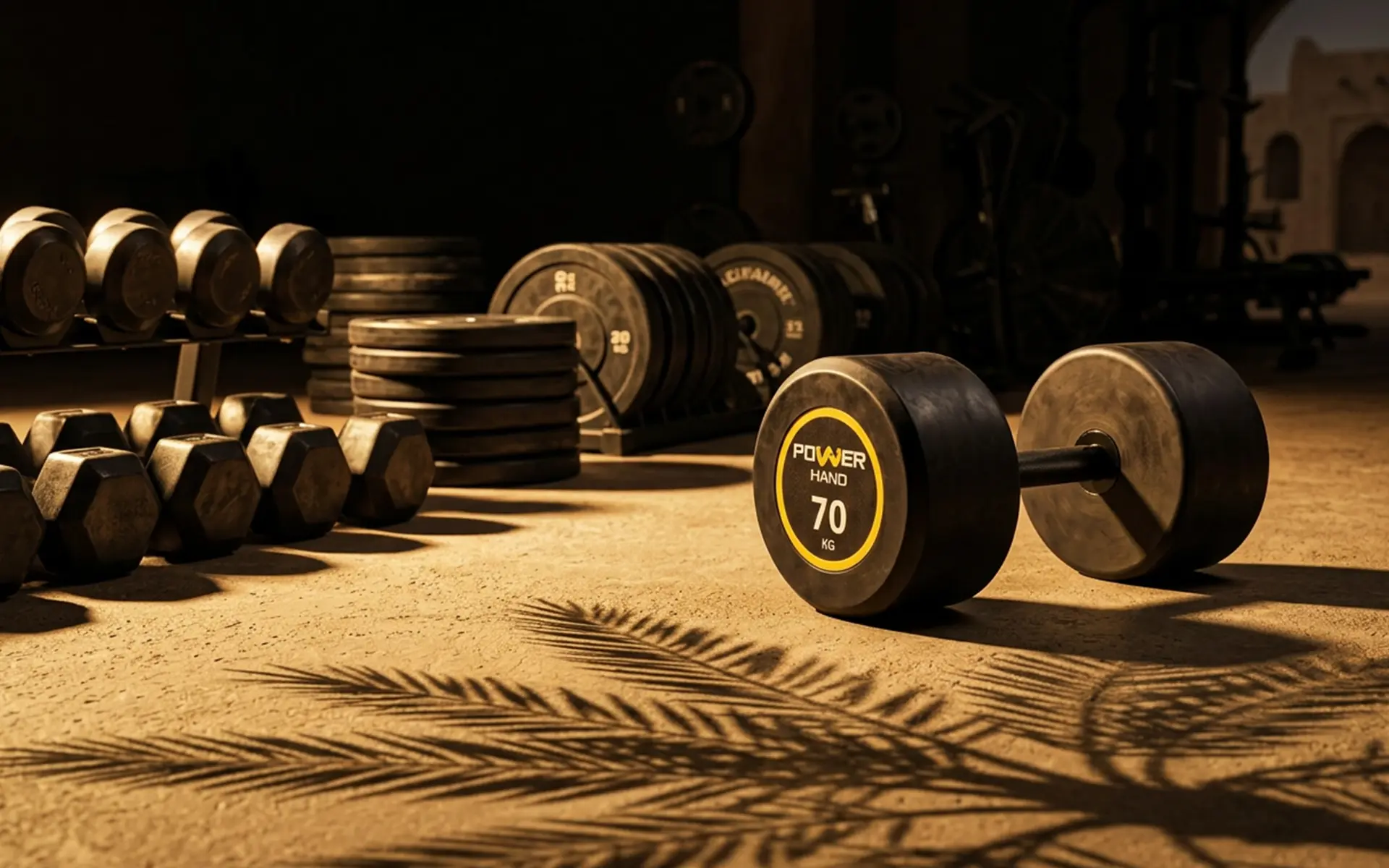
High temperatures and humidity place unique demands on gym equipment. Rubber coatings on dumbbells and weight plates must resist softening in environments where air conditioning may cycle on and off outside operating hours. Cast iron cores are preferred over steel in plate construction because cast iron is less prone to surface corrosion when humidity levels spike.
Flooring, racking, and storage solutions should account for sand infiltration in certain locations. Equipment with sealed bearings and corrosion-resistant finishes performs better in coastal cities like Dubai, Doha, and Jeddah.
Sourcing Equipment from Turkey
Turkey has emerged as a preferred sourcing destination for Middle Eastern gym owners. Geographic proximity means fast delivery by road or short-haul sea freight — typically five to ten days to most GCC ports. Turkish manufacturers like Anka Force Sport offer commercial-grade equipment with no minimum order quantity, making it possible to equip a single studio or a multi-location chain from the same supplier.
Road freight from Turkey's Çorlu manufacturing district reaches Middle Eastern destinations faster than sea shipments from East Asia, with lower logistics costs and simpler customs procedures. Partial-pallet shipping is available for operators who need to supplement existing inventory without committing to a full container.
Equipment Essentials for a Middle Eastern Gym
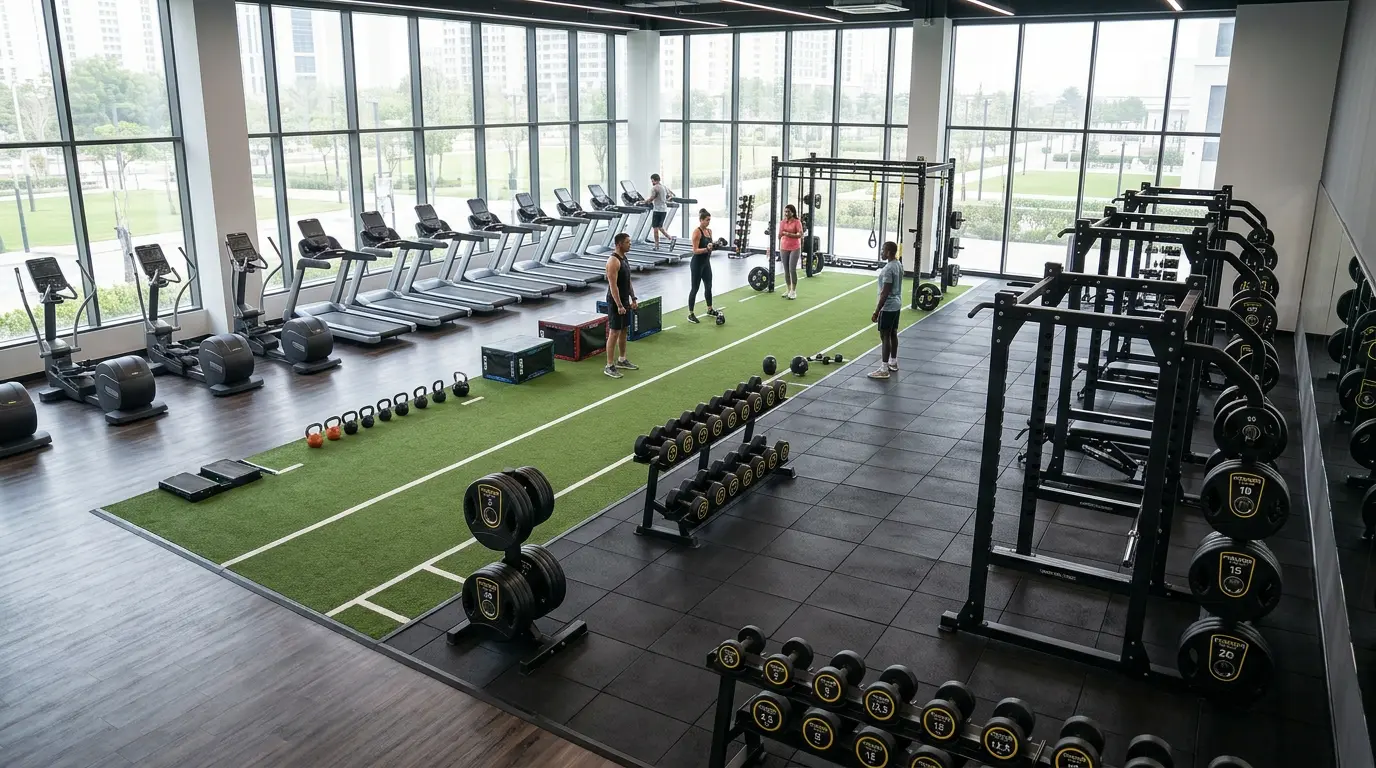
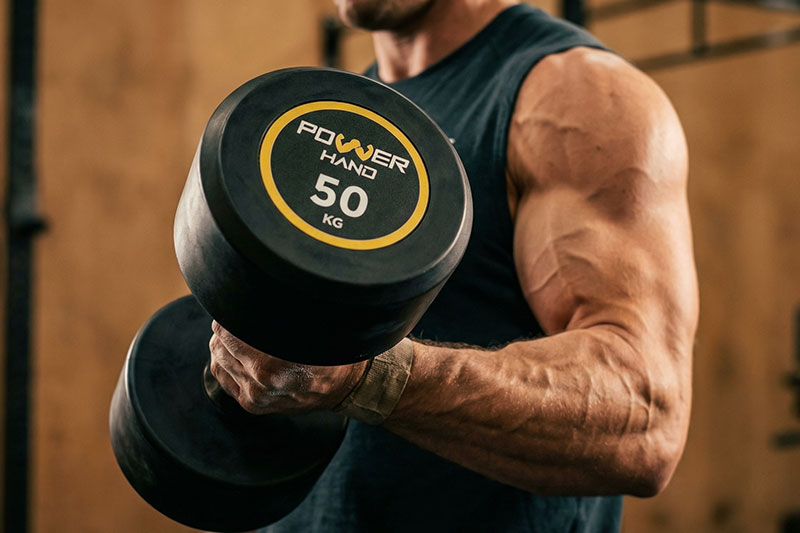
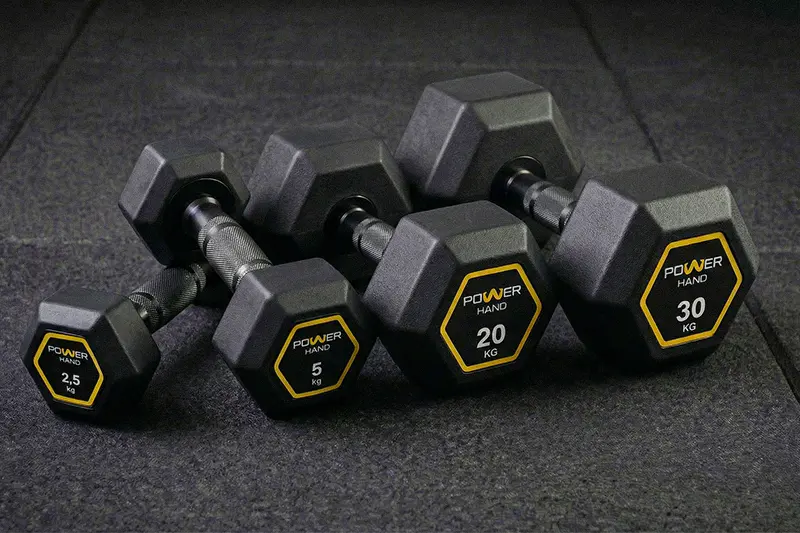
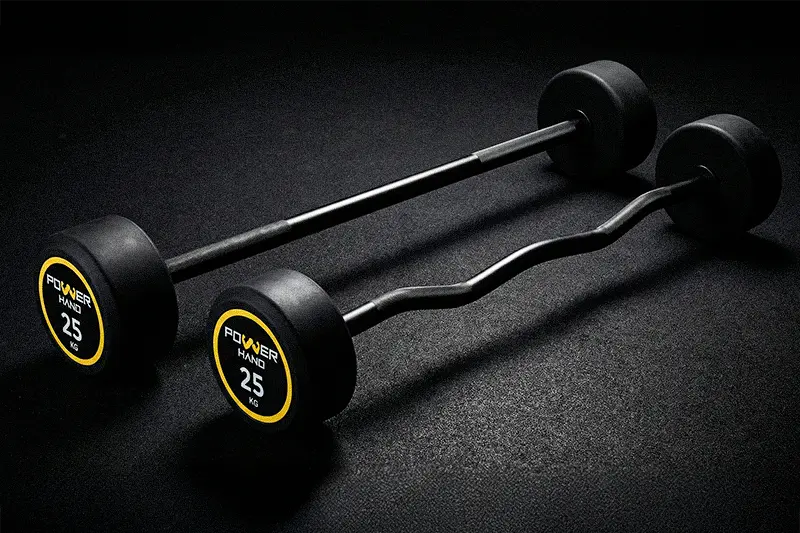
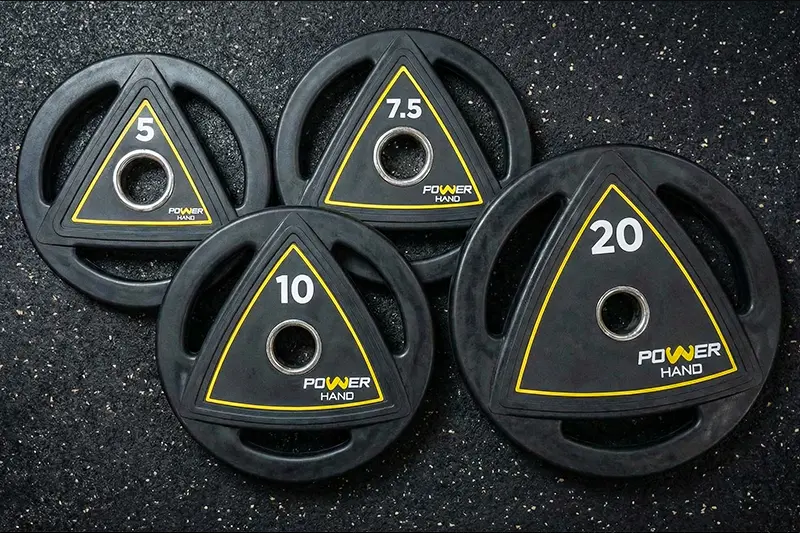
A well-equipped commercial gym in the region typically includes a comprehensive free-weight area with hex dumbbells ranging from 2.5 kg to 50 kg, Olympic bars, bumper plates for functional training zones, and cast iron Olympic plates for dedicated strength areas. Dumbbell racks should be sturdy enough to handle the full range and organised for quick identification of weights.
The functional training trend is particularly strong in the Middle East, driven by CrossFit affiliates and boot-camp-style studios. Bumper plates that can withstand repeated drops from overhead are essential for this segment.
Private Label and Branding
Many gym chains in the Middle East prefer branded equipment that carries their own logo and colour scheme. Working with a manufacturer that offers private-label production — embedding your brand directly into the casting mould — creates a premium, cohesive look throughout the facility. This approach is far more durable than adhesive labels or painted logos.
Logistics and After-Sales
When evaluating suppliers, consider the complete landed cost including freight, customs duties, and installation support. A manufacturer with export experience to the Middle East will handle documentation, palletisation, and shipping coordination efficiently. Ask about warranty terms and the availability of replacement parts — a supplier who stocks common spare components can resolve issues quickly without long lead times.
Conclusion
The Middle East presents outstanding opportunities for gym operators who do their homework. By choosing the right equipment from a reliable manufacturer, understanding local market nuances, and planning logistics carefully, you can build a facility that attracts members and stands the test of time. Anka Force Sport has supplied gyms across the Gulf region since 2002 — contact our team for a tailored equipment proposal.