Opening a commercial gym? This post is a framework, not a price list — because what you pay for free-weight equipment depends heavily on who you source from and which budget levers you pull. Every gym buildout we've supplied has had a different mix of decisions; the ranges below are what we see matter most.
What "equipping" a commercial gym means
A typical 400–600 sqm commercial gym free-weight floor includes:
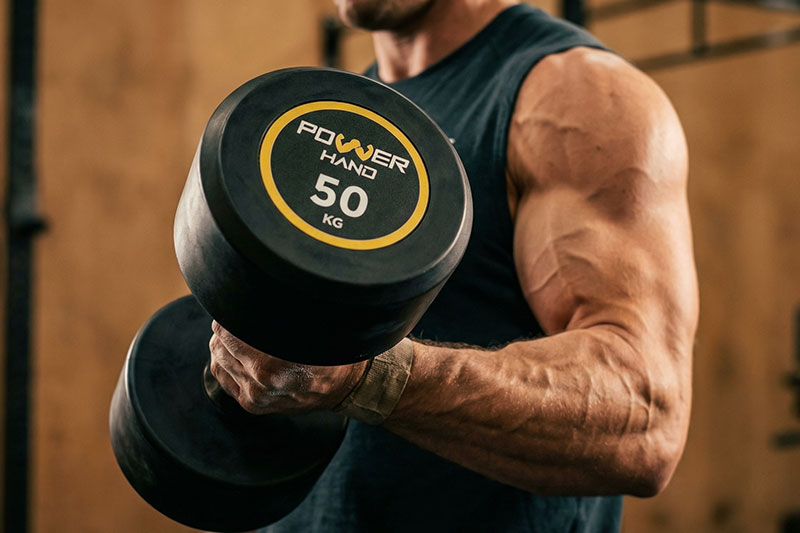
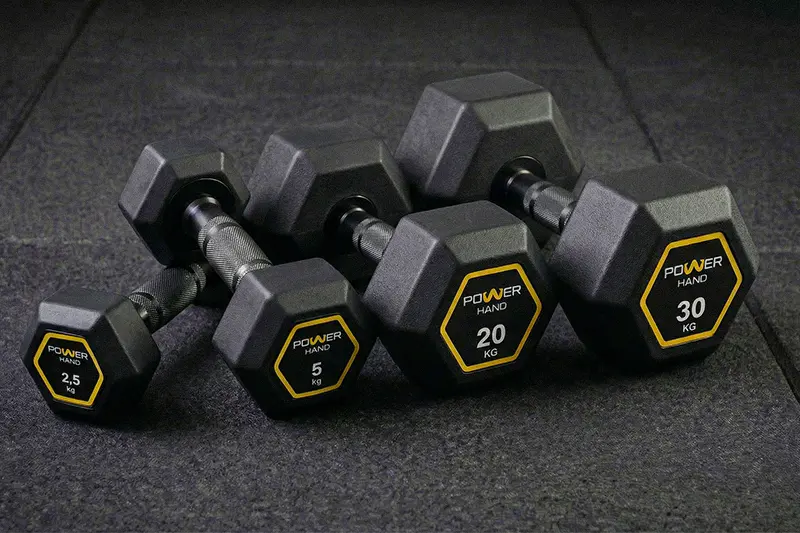
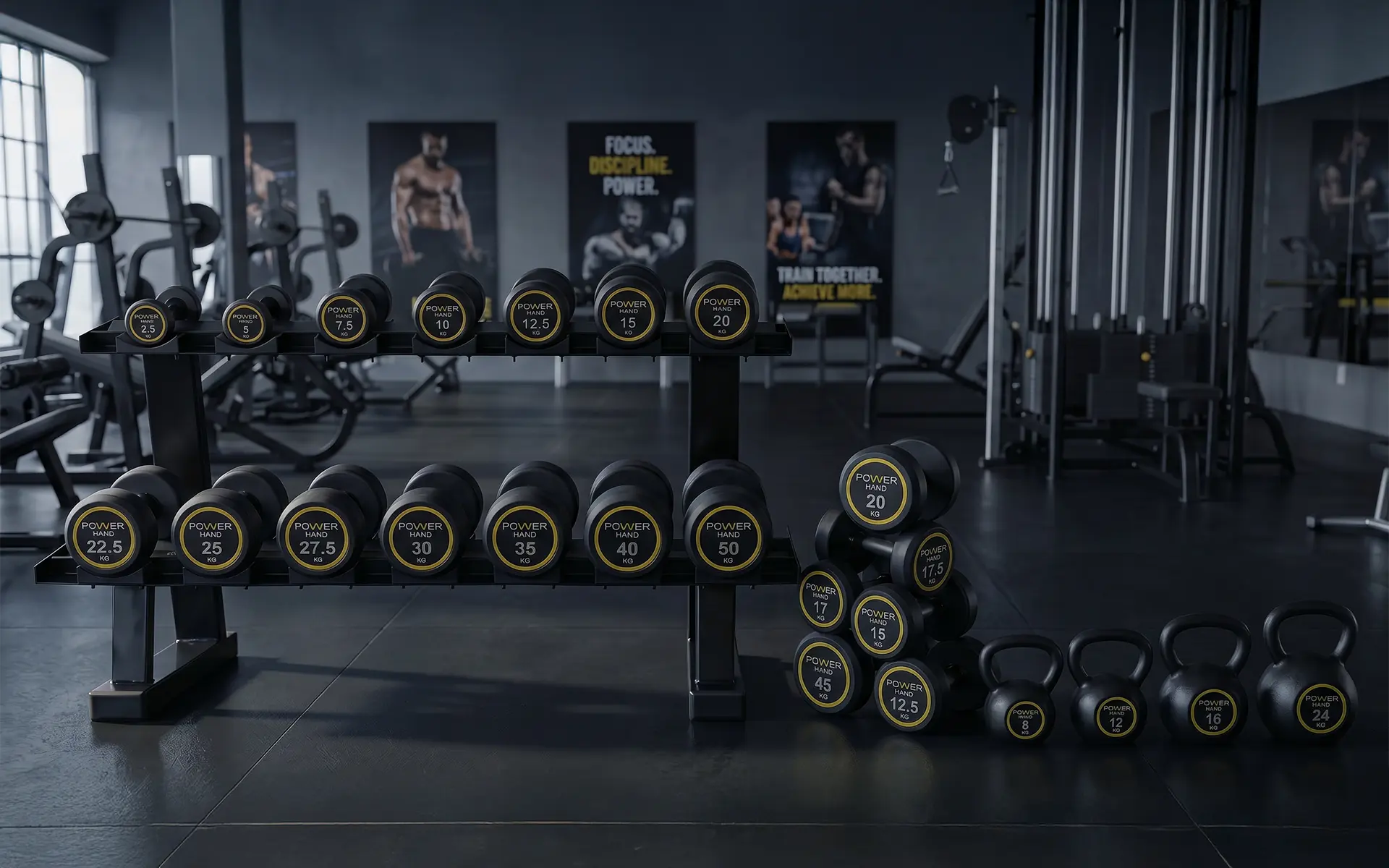
- Dumbbell set: pairs from 2.5 kg up to 30–50 kg in 2.5 kg increments
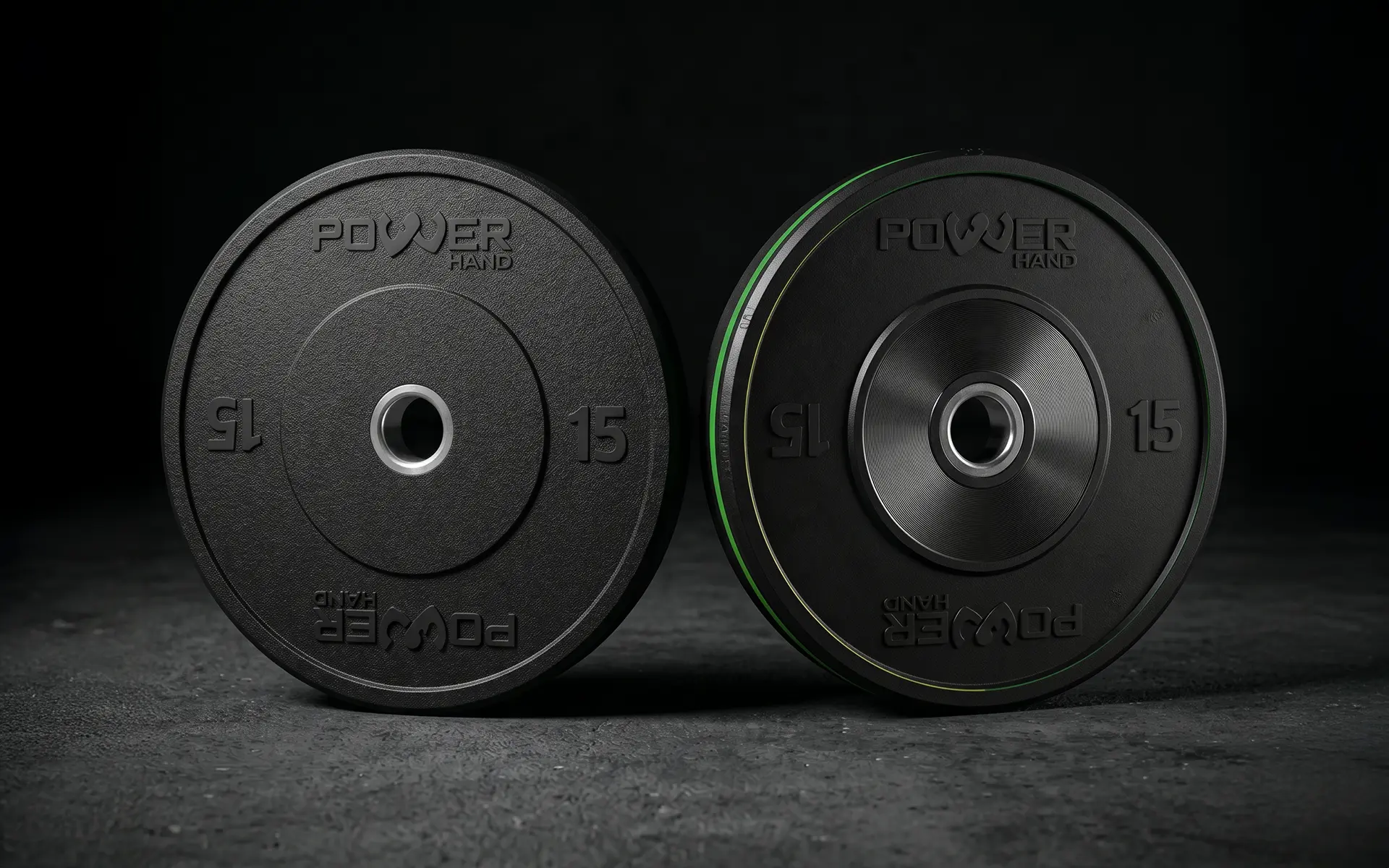
- Bumper plates: 4× each of 5, 10, 15, 20, 25 kg — sized per platform
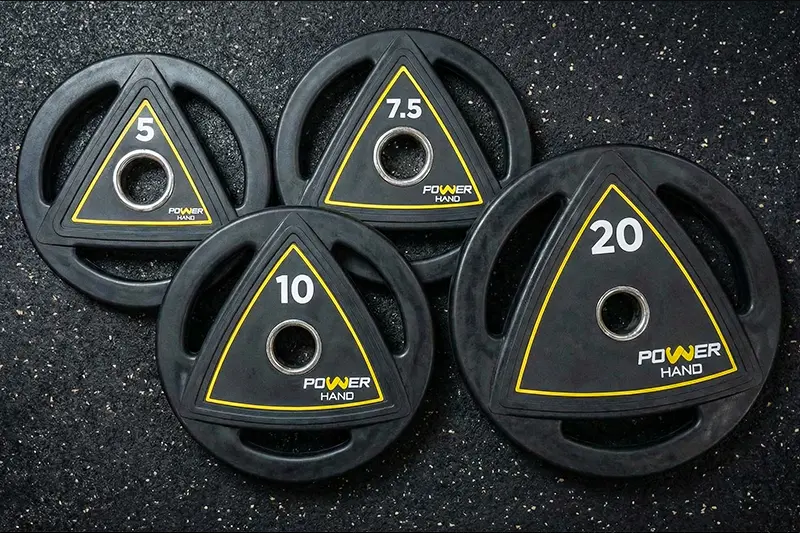
- Olympic weight plates (non-bumper): 1.25, 2.5, 5, 10, 20 kg sets, typically 4 racks
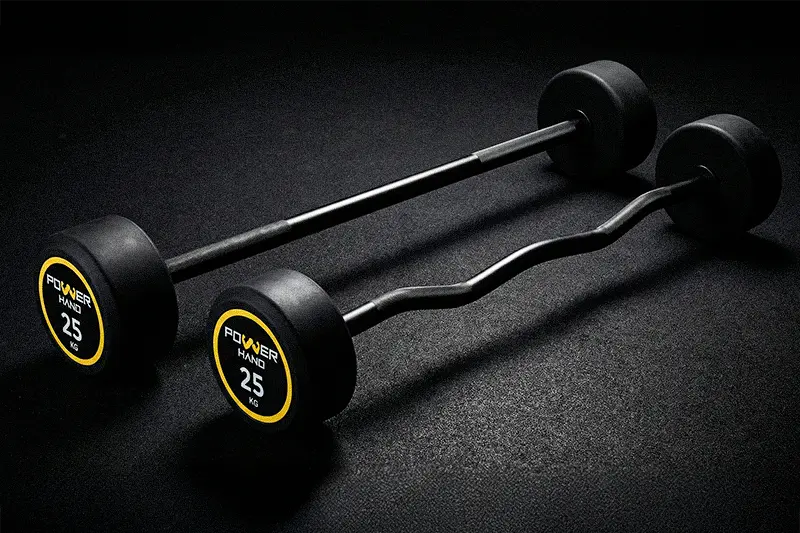
- Olympic bars: 20 kg men's and 15 kg women's, usually 6–10 bars total
- Dumbbell racks: 2-tier or 3-tier, usually 2 units
- Squat racks / platforms: 4–6 platforms with safety bars
Three sourcing paths, three very different totals
The same gear ends up at wildly different total cost depending on where you source:
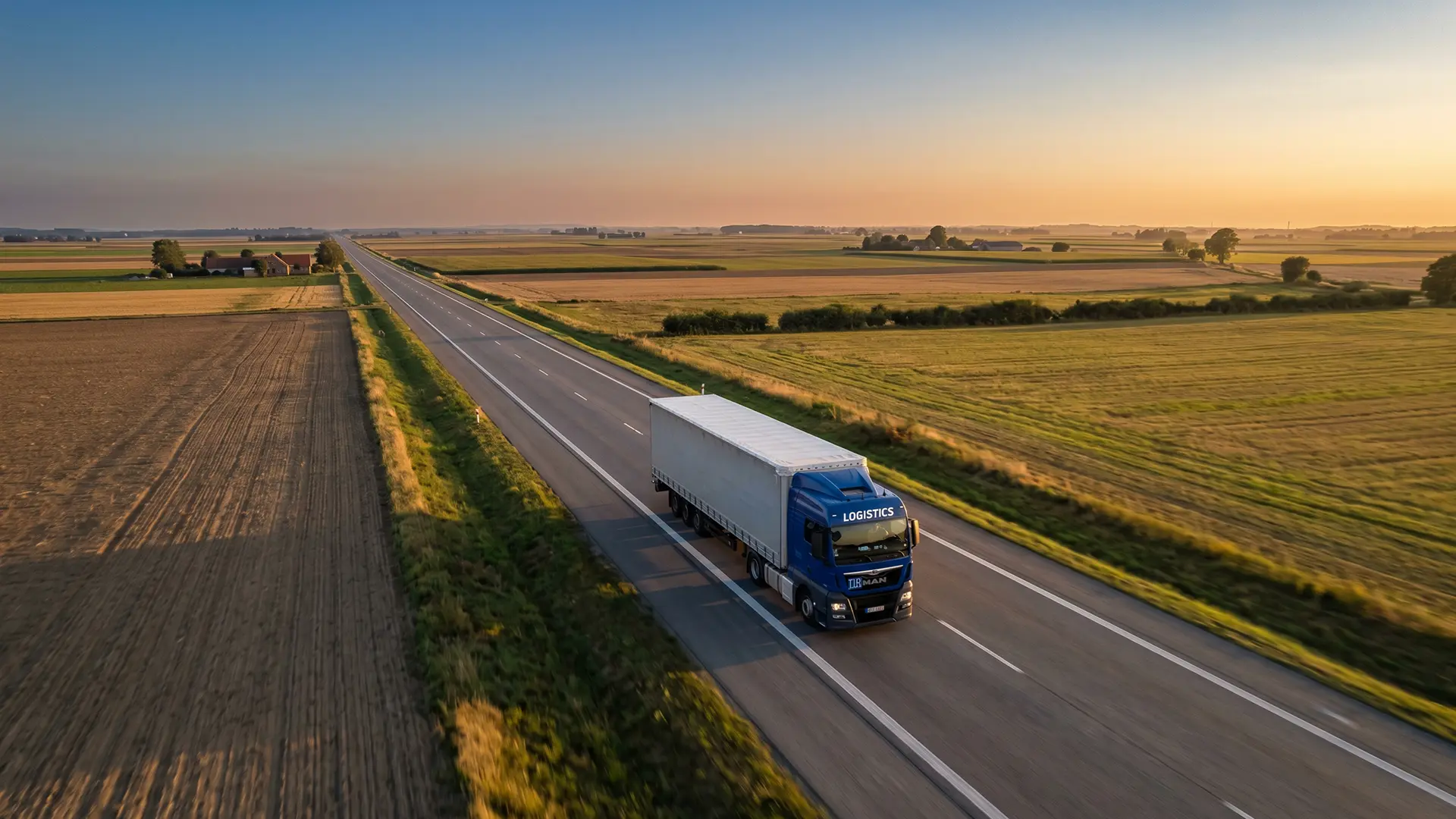
- Direct from a Turkish or Polish factory — lowest cost, shortest lead time into Europe (3–7 days by truck), full OEM flexibility. You handle freight and customs, or we CIF it to your city. Best for buyers opening 2+ locations or launching a branded line.
- Direct from a Chinese factory (container-scale) — sticker price is low, but you commit to container-filling MOQs, 6–8 weeks of sea-freight, and the working-capital tie-up that goes with it.
- Regional European wholesaler — meaningful markup over factory direct, but they carry stock and ship in 2–3 days. Right answer for a single-gym opening with a tight timeline and no freight/customs appetite.
- Premium Western brand (Rogue, Technogym, etc.) — you're paying for brand equity, not fundamentally different commercial-grade product. Makes sense for luxury hospitality or brand-driven chains where members expect the logo.
Levers that actually move the budget
- Top of the dumbbell range. Stopping at 30 kg vs going to 50 kg is hundreds of kilograms of product and a meaningful line-item difference.
- Number of platforms. Each platform (bumpers + plates + Olympic bar + safety) is an add-on. Three platforms or six?
- Dumbbell style. Hex rubber-coated is the commercial default and cheapest. Urethane-coated and "competition round" cost progressively more — without adding usability for a typical commercial gym member.
- Rack choice. Basic vs 2-tier vs custom-color OEM — each step up is a percentage bump.
- Specification grade. ±2–3% commercial tolerance vs IWF-certified competition. The competition premium is 2–3× for precision 99% of buyers never need. We wrote about this separately.
Hidden costs that aren't in the sticker
- Freight and customs (origin, incoterm, season all matter)
- Rubber flooring — often forgotten until install week
- Assembly and final-mile delivery to the gym floor
- First-year replacement budget for cosmetic defects and minor breakages
- Working-capital cost of holding container-sized inventory (if you went the container-MOQ route)
A practical sourcing process
For a 400–600 sqm commercial gym opening in 4–8 weeks:
- Get a direct-from-factory quote from a Turkish or Polish supplier — no MOQ, 3–5 week lead time, CIF to your city.
- Get a wholesale backup quote from a regional distributor so you have a known-fallback if your direct shipment slips.
- Compare landed cost, not sticker cost — include freight, customs, insurance, and the cost of any stockouts on opening day.
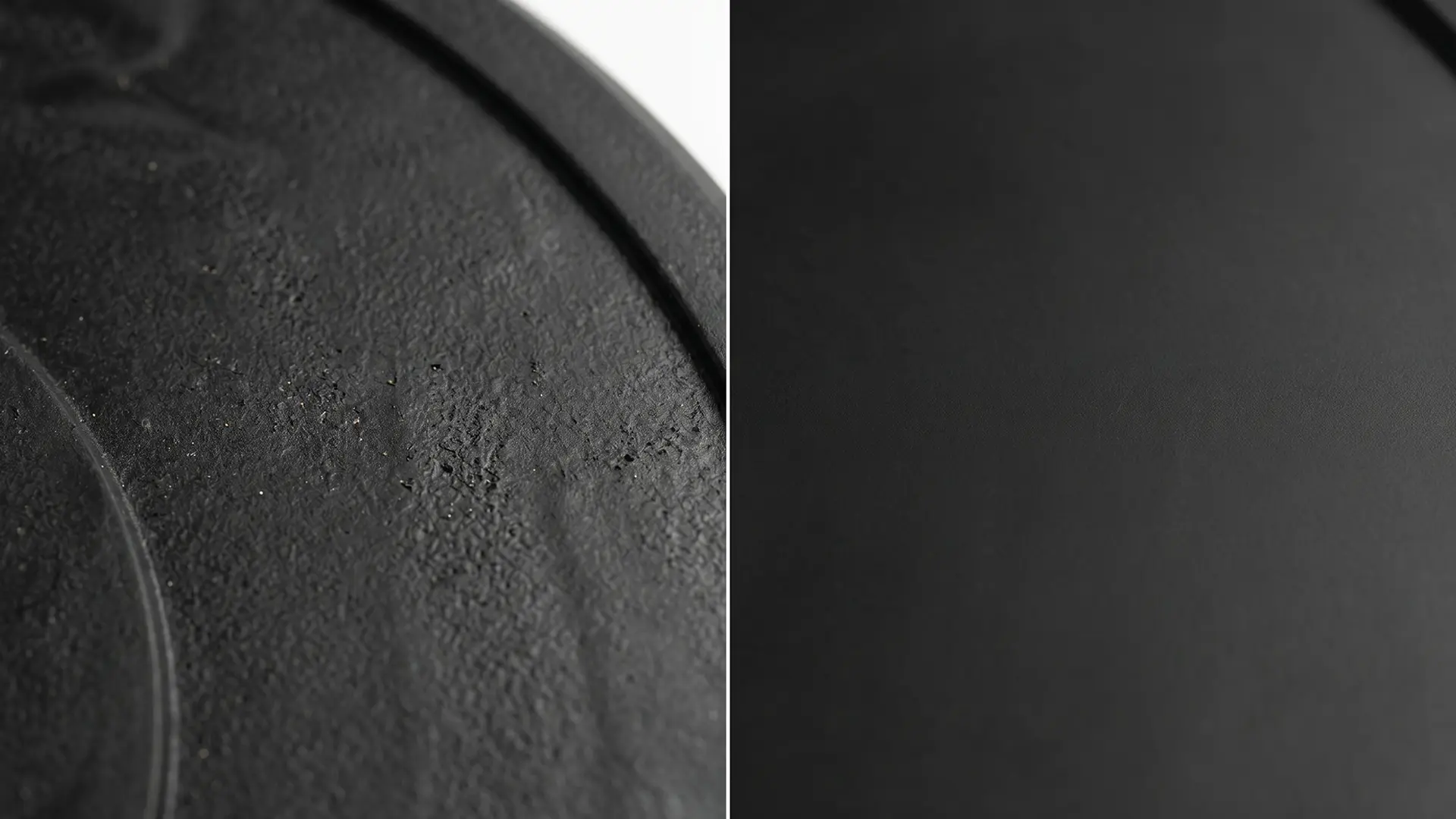
- Request samples of 2–3 key SKUs before placing the full order. Touch the rubber, check the tolerance on a trusted scale, drop-test a bumper.
We don't publish list prices because every buyer's spec is different (dumbbell range, platform count, branding, delivery city, volume). Send us the floor plan or SKU list and we'll quote it.