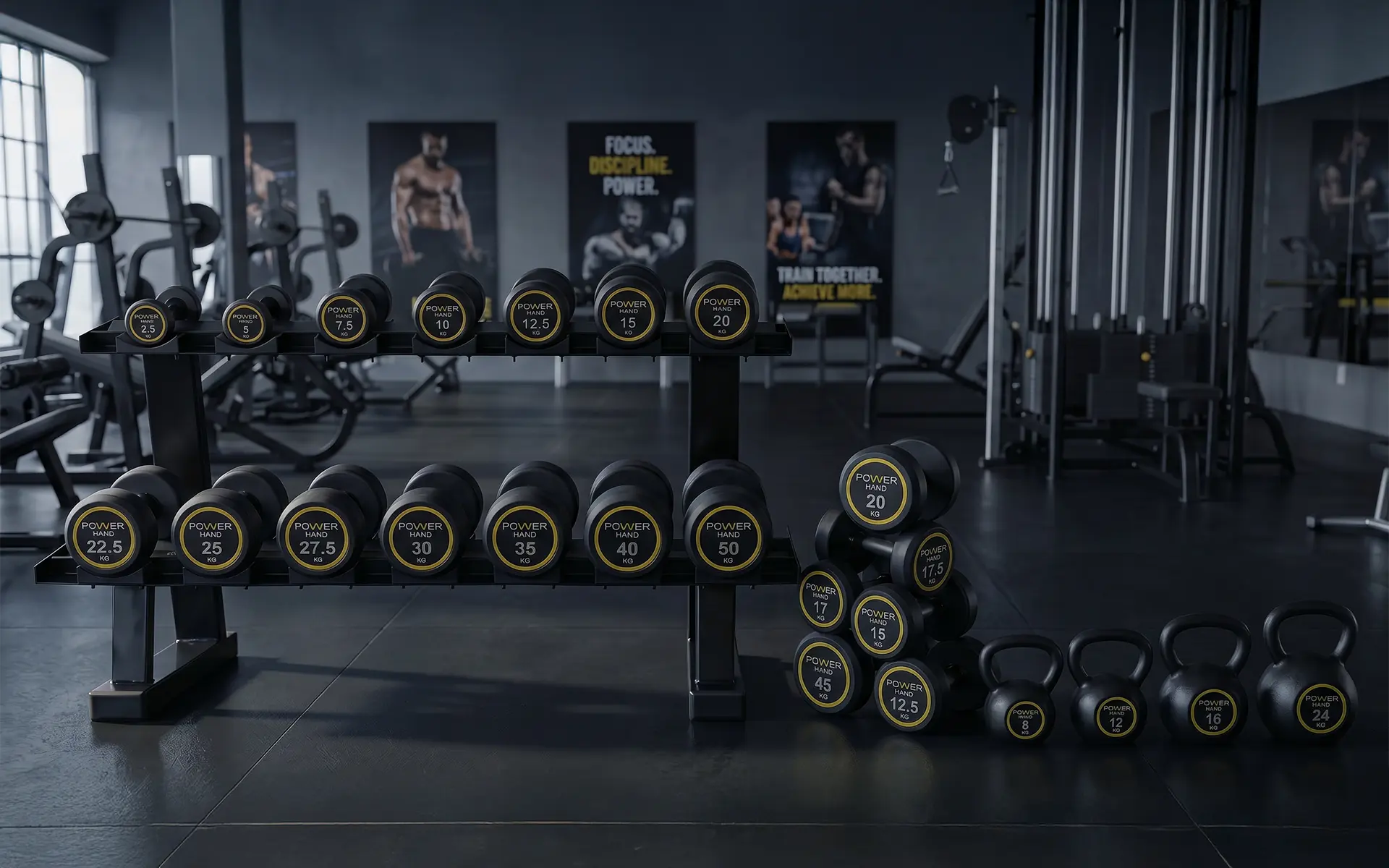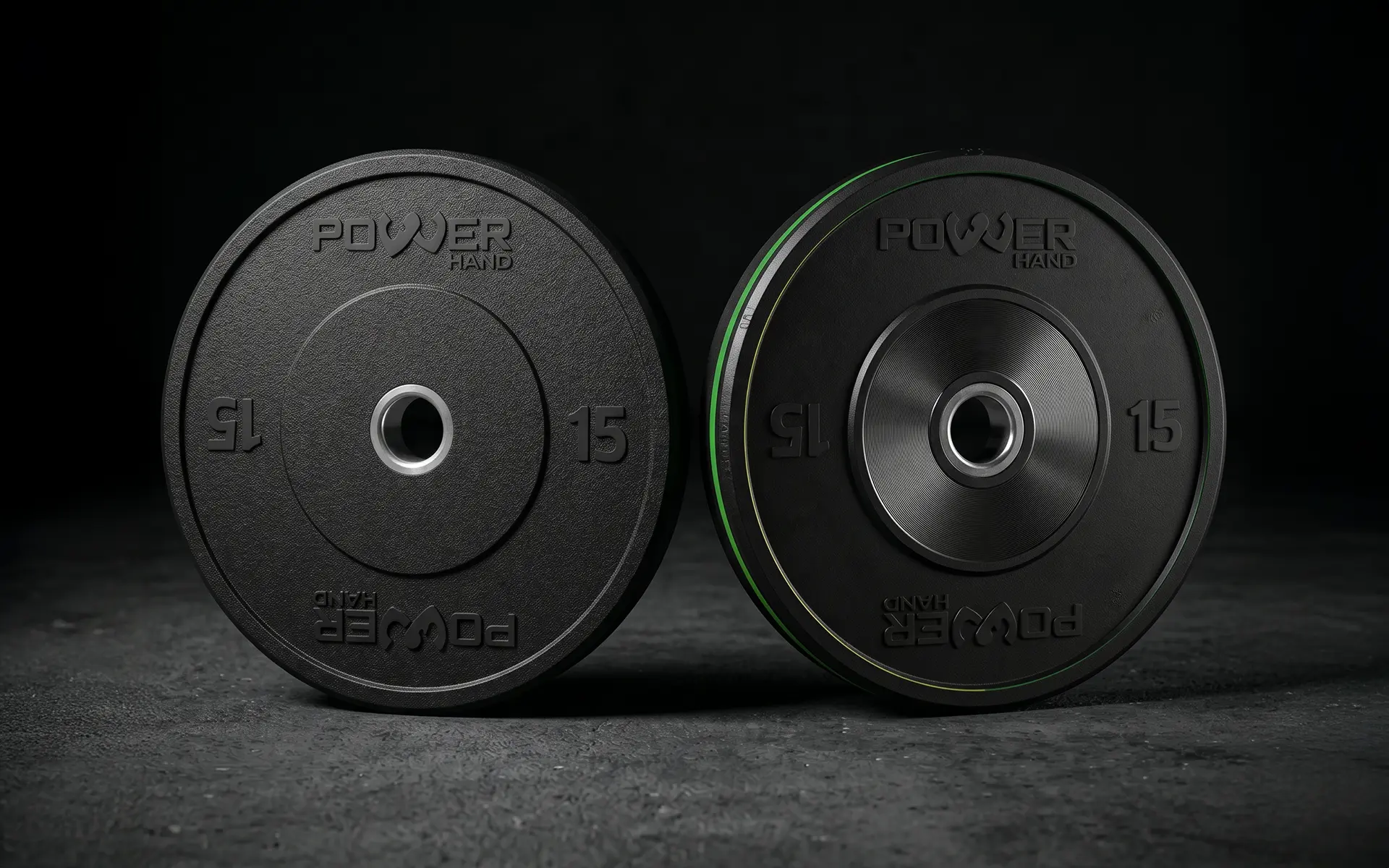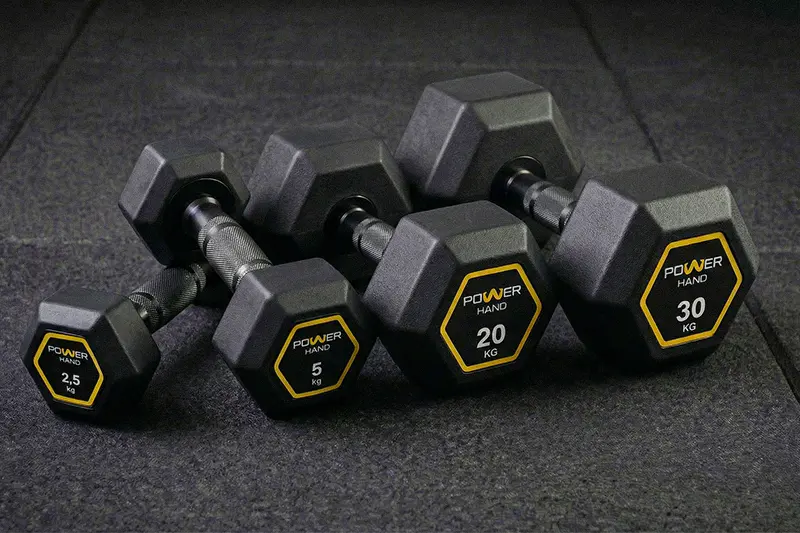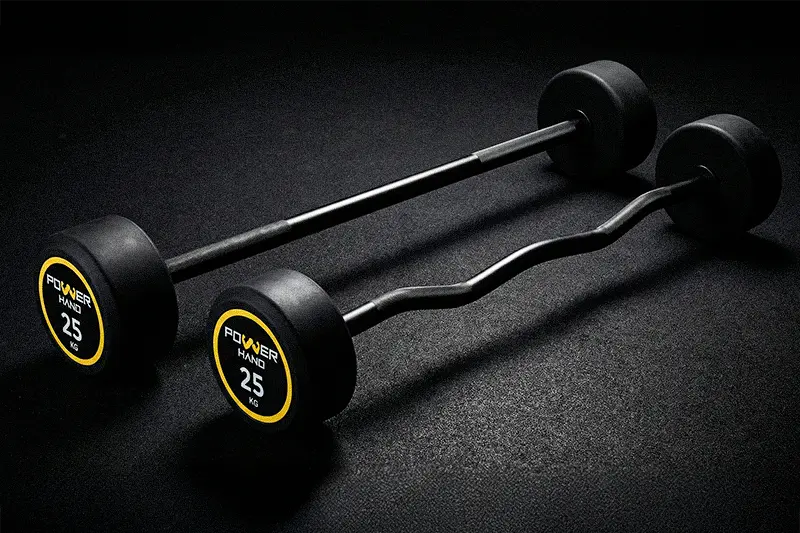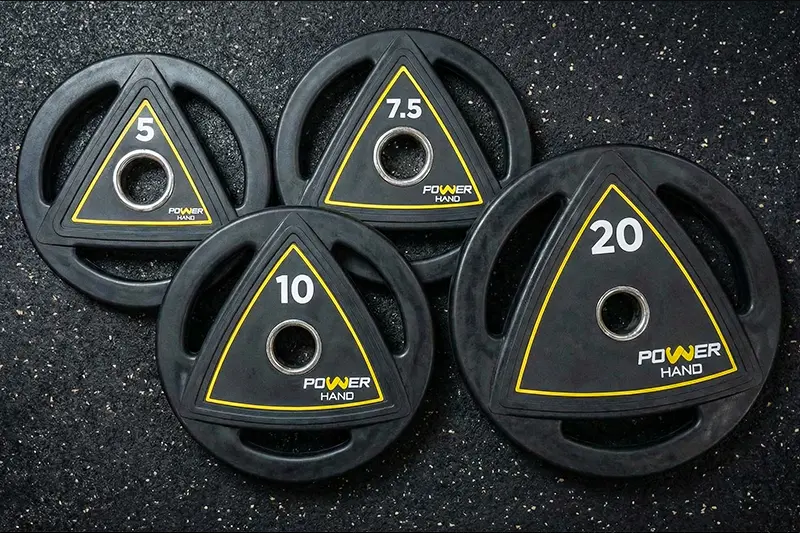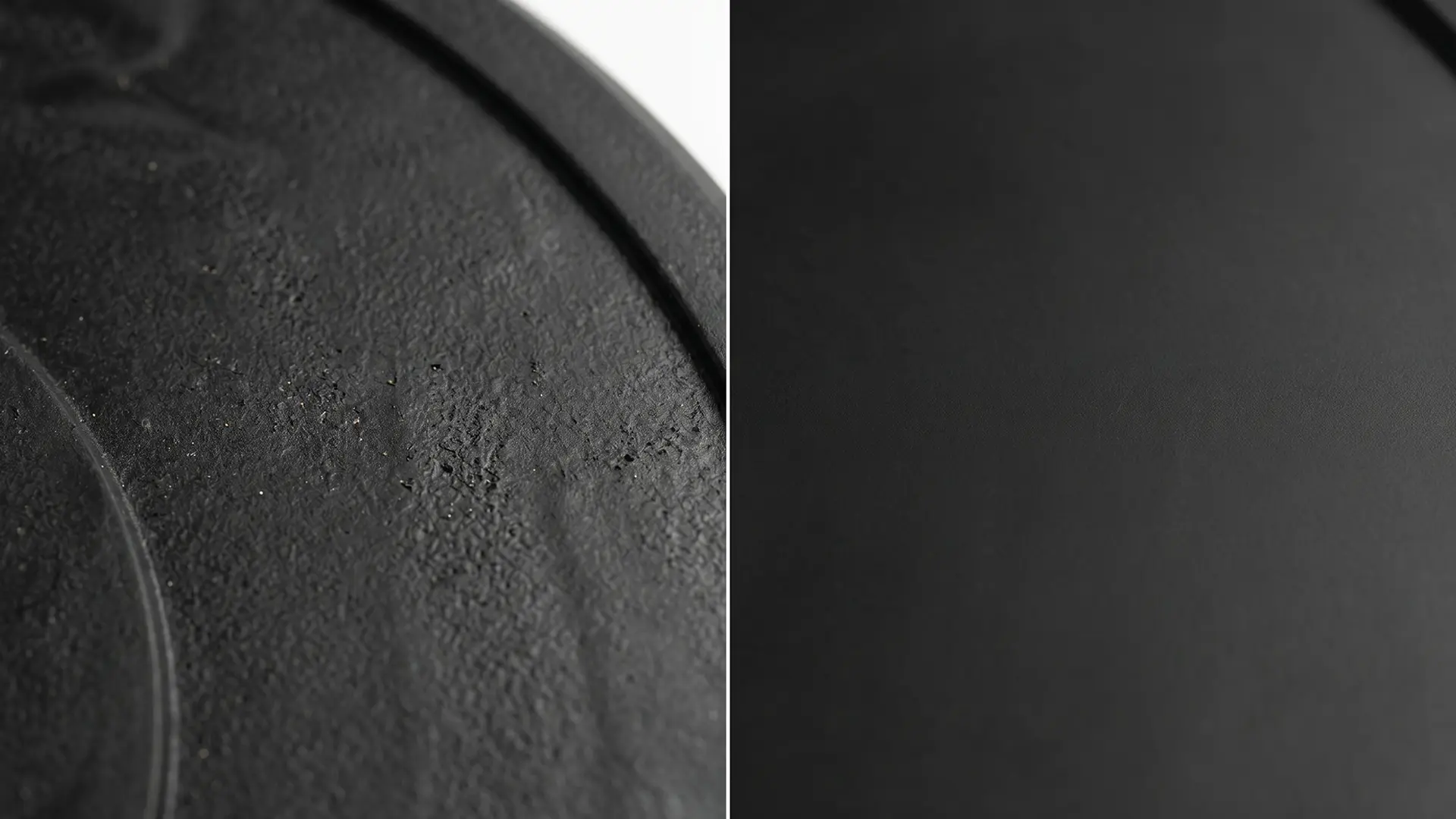
When a buyer asks "is your rubber virgin or recycled?", they usually have one of three concerns: durability, smell in an indoor gym, or ESG reporting for a corporate client. The answer matters less than the product's spec — but here's what actually changes.
Where recycled rubber comes from
Commercial-grade recycled rubber for gym equipment is mostly end-of-life tire rubber that's been granulated and re-compounded with binders. High-quality recycled compound from a reputable factory performs comparably to virgin SBR rubber on the key properties gyms care about: tear strength, rebound, and abrasion resistance.
Durability: essentially identical
A rubber-coated dumbbell with recycled compound sees 30,000–50,000+ drop cycles before coating degradation in a busy commercial gym. Virgin SBR sees the same. In bumper plates subjected to Olympic lift drops, the difference is within normal batch variation — not between recycled and virgin.
The reason: both rubbers are compounded to the same target durometer and tensile strength. The source material matters less than the compounding discipline.
Odor: here's where it matters
Cheap recycled rubber can off-gas a distinct "tire" smell in the first week of use. This comes from residual volatile organic compounds in lower-grade recycled compound, not from the recycling itself. Specifiers who care about member experience (hotels, premium gyms) should require a REACH-compliant, low-VOC compound. At that spec, odor is indistinguishable from virgin.
REACH compliance and EU imports
The EU REACH regulation restricts certain PAHs (polycyclic aromatic hydrocarbons) in consumer products. Some low-end recycled rubber exceeds these limits. Any reputable factory will provide a REACH test report on request — if they can't, walk away. REACH-compliant recycled rubber is essentially invisible in performance and compliant for commercial distribution across the EU.
ESG and sustainability reporting
If you're selling to a corporate wellness client or a chain with published sustainability goals, recycled-content is material. Typical recycled-rubber bumper plates are 70–85% post-consumer material by weight (rubber + cast iron core). That number goes into your Scope 3 reporting and buyers' vendor questionnaires.
Virgin-rubber equipment has essentially zero recycled content. For ESG-focused buyers, that's a disqualifier.
Cost
Recycled rubber compound is 15–25% cheaper per kg than virgin SBR. That's why nearly every commercial-grade bumper plate on the market uses recycled. Virgin-rubber bumpers exist for one use case: IWF competition-certified plates where every gram of tolerance matters.
The short answer
For commercial gyms, CrossFit boxes, hotels, rehab centers, and home setups: recycled is the correct choice. It's cheaper, it's more sustainable, and with a proper REACH-compliant compound the performance is indistinguishable. For Olympic-training facilities: virgin SBR or polyurethane, ±0.5% IWF-certified plates.
Ankaforce uses REACH-compliant recycled rubber with cast iron cores across our bumper plate, dumbbell, and weight plate ranges. Compound reports are available on request.