Why Fitness Distribution Is a Growing Opportunity
The global fitness equipment market continues to expand, driven by rising health awareness, gym memberships recovering strongly after recent disruptions, and growing demand from corporate wellness programmes, hotels, and institutional buyers. For entrepreneurs with logistics capability and market knowledge, fitness equipment distribution offers an attractive business model with recurring demand and strong margins.
Distribution bridges the gap between manufacturers and end users. Not every gym owner wants to deal directly with a factory in another country — they want a local partner who can provide product selection guidance, hold inventory for quick delivery, and offer after-sales support. That is the value a distributor provides.
Choosing Your Market Segment
Before sourcing a single product, define your target market clearly. Will you serve commercial gyms, home fitness consumers, institutional buyers like universities and hotels, or a combination? Each segment has different purchasing patterns, margin expectations, and service requirements. Commercial gym outfitting typically involves larger orders with longer sales cycles, while home fitness may involve higher transaction volume at lower individual order values.
Geographic focus matters too. Becoming the go-to fitness equipment supplier in a specific region builds reputation faster than trying to cover an entire country from day one. Local market knowledge — understanding which gym chains are expanding, which hotels are renovating, which municipalities are investing in public fitness facilities — gives you a competitive edge.
Finding the Right Manufacturing Partner
Your manufacturer is the foundation of your distribution business. Look for a partner who offers commercial-grade equipment built from quality materials like cast iron and recycled rubber, maintains consistent weight tolerances of ±2–3 %, and can provide private-label options so you can build your own brand alongside the manufacturer's range.
Critically, evaluate the manufacturer's flexibility on order quantities. A manufacturer willing to ship with no minimum order quantity and offer partial-pallet options allows you to start lean, test market demand for different products, and scale without tying up capital in excessive inventory. Anka Force Sport in Tekirdağ, for example, works with distributors of all sizes precisely because of this flexible approach.
Building Your Inventory Strategy
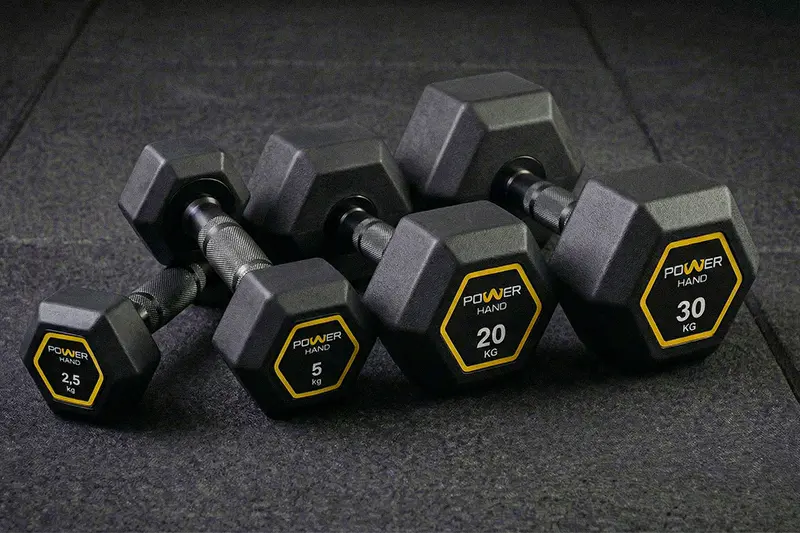
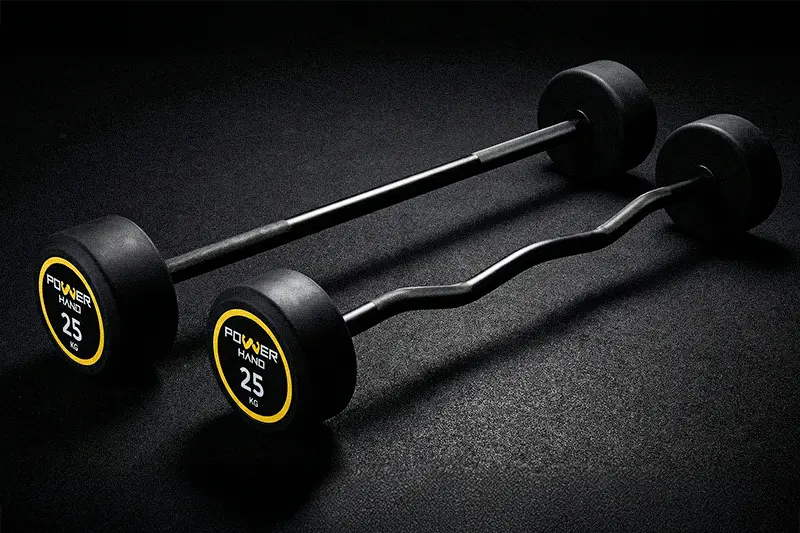
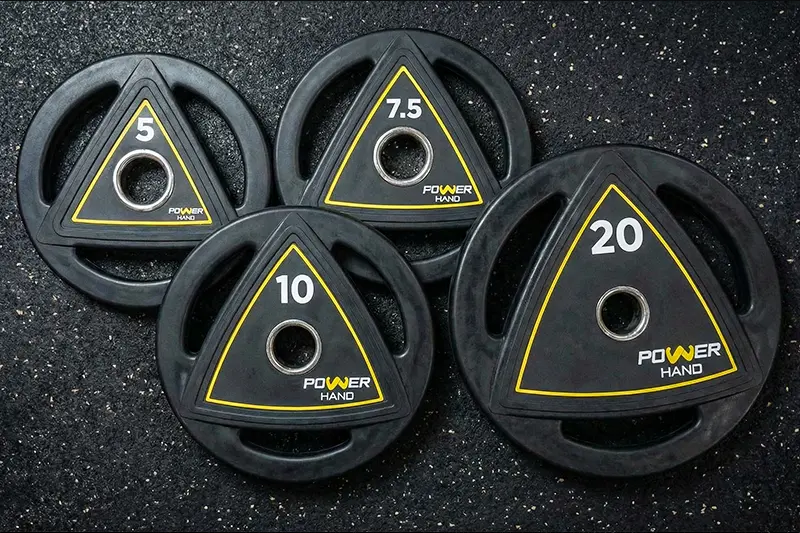
Inventory management is the most critical operational challenge for a new distributor. Start with the products that have the broadest demand: hex dumbbells in the most popular weight ranges, Olympic bars, and standard Olympic plate sets. These core products serve virtually every commercial gym and provide the foundation for expanding your catalogue over time.
Consider a hybrid inventory model: hold best-selling items in stock for immediate delivery while offering the manufacturer's full range on a made-to-order basis with known lead times. This approach minimises your inventory investment while still providing customers with a comprehensive product selection.
Logistics and Delivery
Fitness equipment is heavy, bulky, and expensive to ship. Your logistics capability is a key competitive differentiator. Establish relationships with freight carriers experienced in handling heavy goods, invest in proper warehousing with forklift access and adequate floor load capacity, and develop efficient last-mile delivery processes.
Working with a manufacturer that provides fast delivery to your region reduces the time your capital sits in transit. Turkish manufacturers offer a particular advantage for European and Middle Eastern distributors — road freight from Tekirdağ reaches most European capitals in under a week, compared to four to six weeks for sea freight from East Asia.
Marketing and Sales
Build your presence through direct outreach to gym owners and facility managers, attendance at regional fitness trade shows, and a professional website with detailed product specifications and clear photography. Case studies showing successful gym outfitting projects are powerful sales tools. Offer equipment layout consultations as a value-added service — helping customers plan their space builds trust and leads to larger orders.
Conclusion
Starting a fitness equipment distribution business requires market knowledge, a reliable manufacturing partner, and disciplined inventory management. The opportunity is real and growing. By focusing on a defined market segment, partnering with a flexible manufacturer, and delivering exceptional service, you can build a profitable distribution business in this expanding industry. Contact Anka Force Sport to explore distributor partnership opportunities.