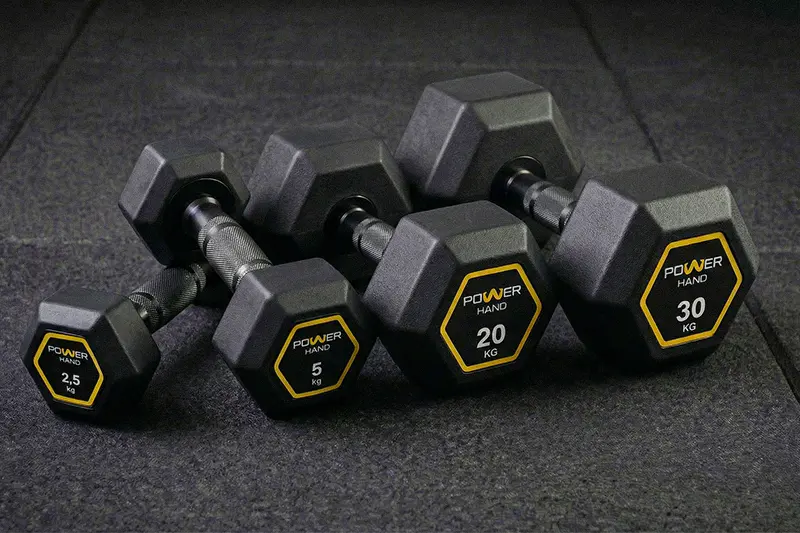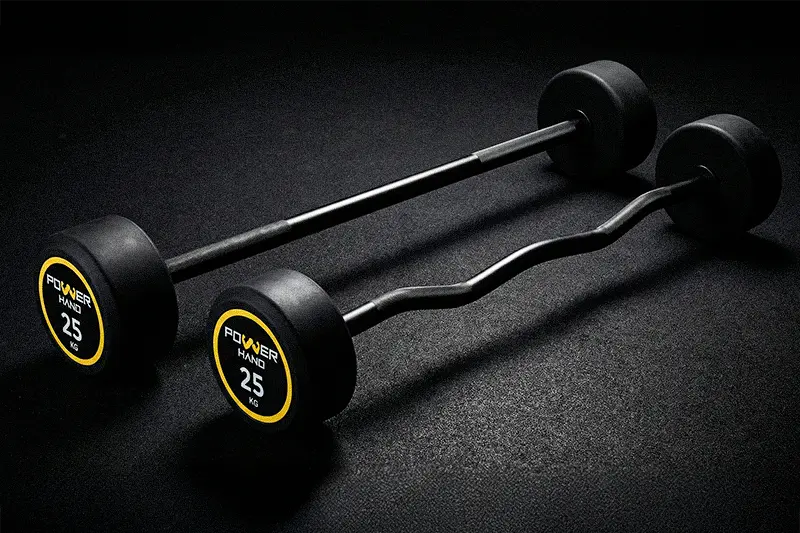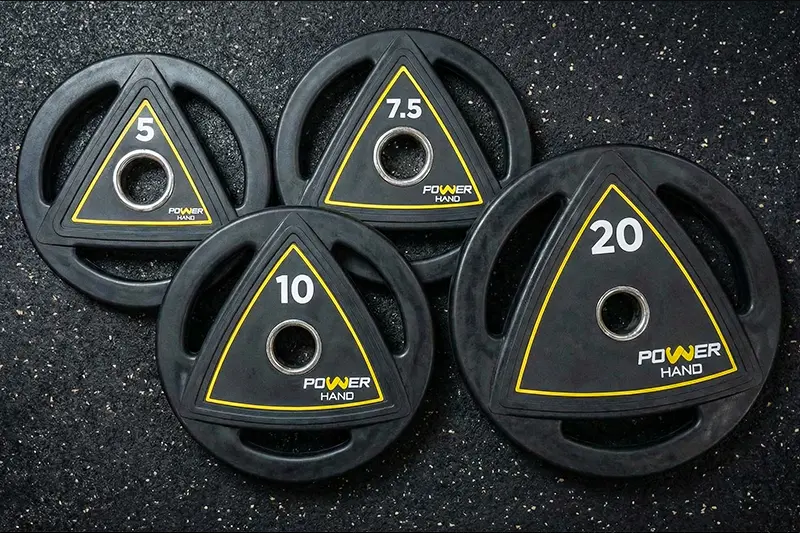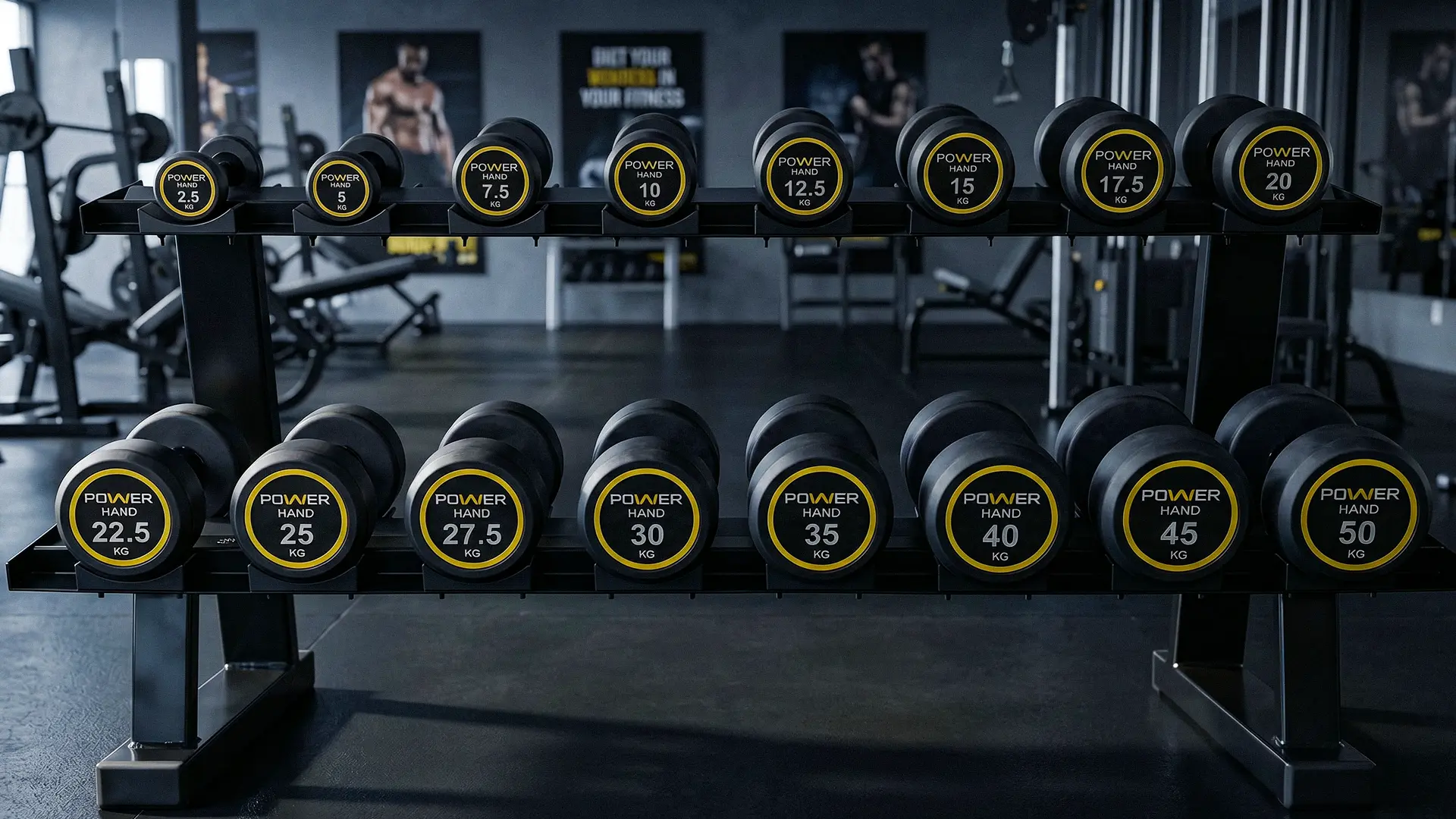
You've signed the lease, the contractor is finishing the locker-room tile, and the marketing team is already running launch ads. The last thing you want is to discover your equipment supplier ships in 8 weeks. Choosing a fitness equipment supplier is a supply-chain decision that can make or break a gym opening — or the unit economics of a 10-location chain.
Here's the seven criteria that matter, in the order they break deals.
1. Lead time from PO to delivered
Ask for "PO to delivered to our warehouse" in days, not "production time". Chinese sea-freight factories often quote "production: 25 days" — and then add 4–6 weeks at sea plus customs. Turkish road-freight typically runs 3–7 days to EU destinations. If your opening is in 8 weeks and the quoted lead time is 11, you have no buffer.
2. Minimum order quantity
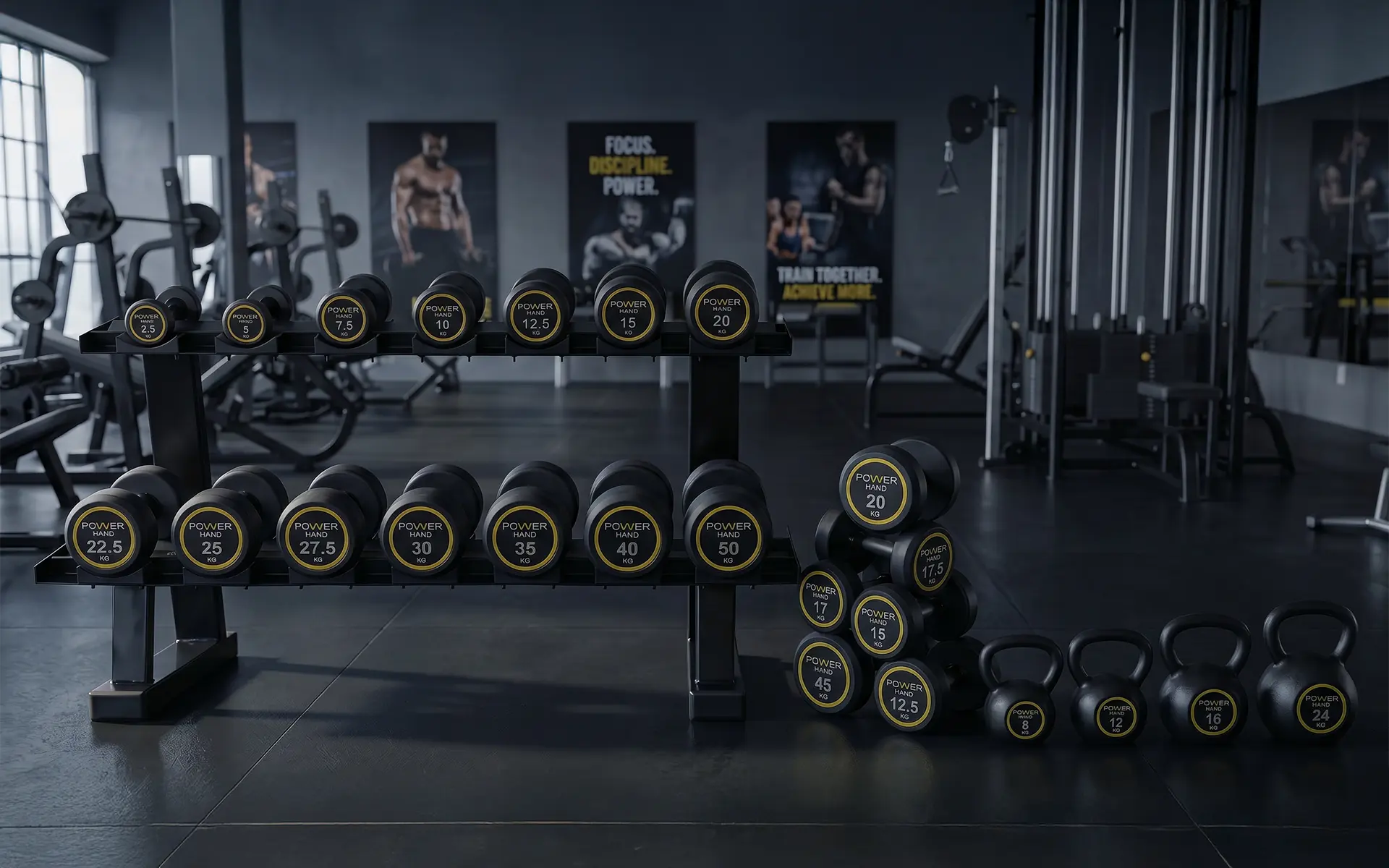
MOQ determines how much working capital you park in inventory. A 40-ft container of dumbbells is ~15–20 tons of cash tied up. If your sell-through is uncertain, that's a killer. Turkish and European manufacturers often accept partial pallets; Asian manufacturers rarely do.
3. Payment terms and recourse
The standard "30/70 TT" terms you see on Alibaba mean you pay 30% before production, 70% before shipment — all before you touch the goods. Real B2B relationships use staged payments, net-30 after trust is established, or LC for large orders. No recourse = no real supplier relationship.
4. Compliance paper trail
You need REACH compliance certificates for rubber in the EU, origin certificates for customs, and inspection records if you're reselling to commercial clients. Ask for samples of each document before placing an order — if they can't produce them in 48 hours, walk.
5. Warranty and defect resolution
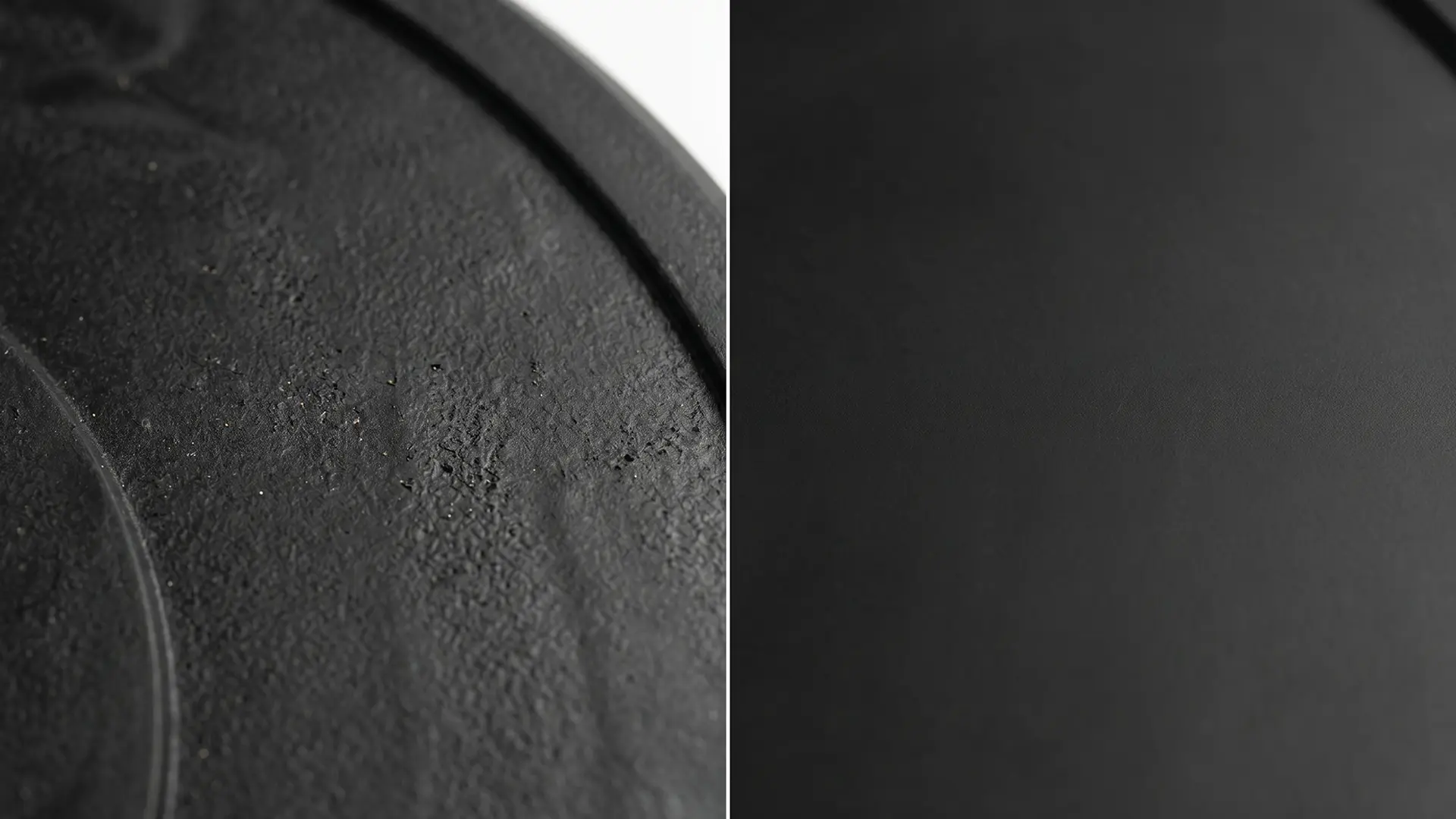
What happens when a dumbbell arrives with a cracked coating? "Email pictures, we'll replace in next shipment" is good. "File a claim with the shipping agent" is not. Get defect-resolution terms in writing — wait time, replacement quantity, who pays freight.
6. Communication infrastructure
WhatsApp in your timezone and your language matters more than you think. The cost of a 5-hour timezone gap for a urgent question is multiple days. Ask to message someone at 15:00 local time and see if you get a human reply before 17:00.
7. Product tolerance and use-case match
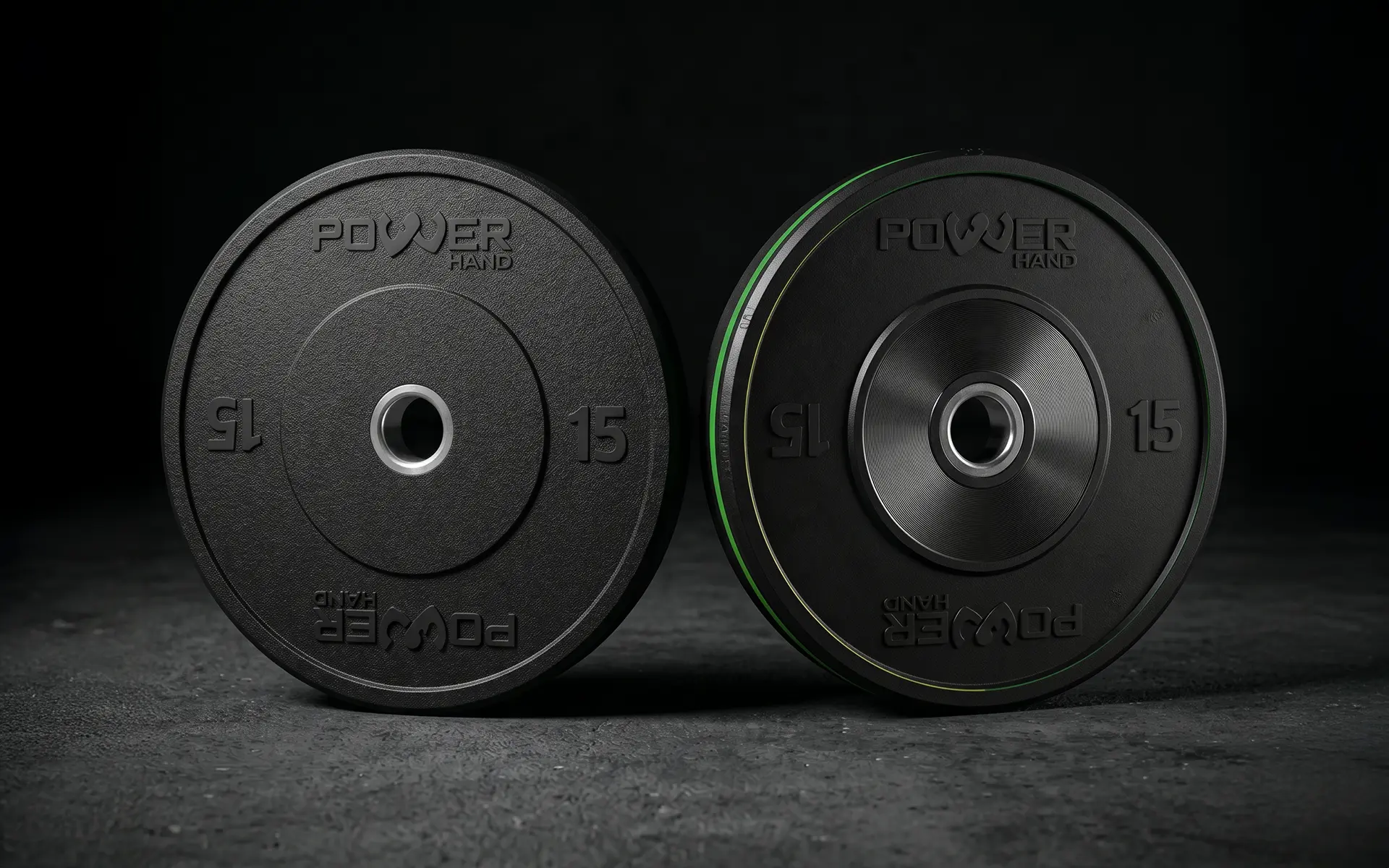
A commercial gym serves members, not powerlifting champions. Paying for ±0.5% IWF-calibrated plates when ±2–3% commercial plates do the job is just waste. Know what your use case actually requires before the supplier sells you up.
The short version
If you're equipping a commercial gym in Europe or the Middle East, check your supplier against all seven. If four or fewer answer cleanly, keep looking.