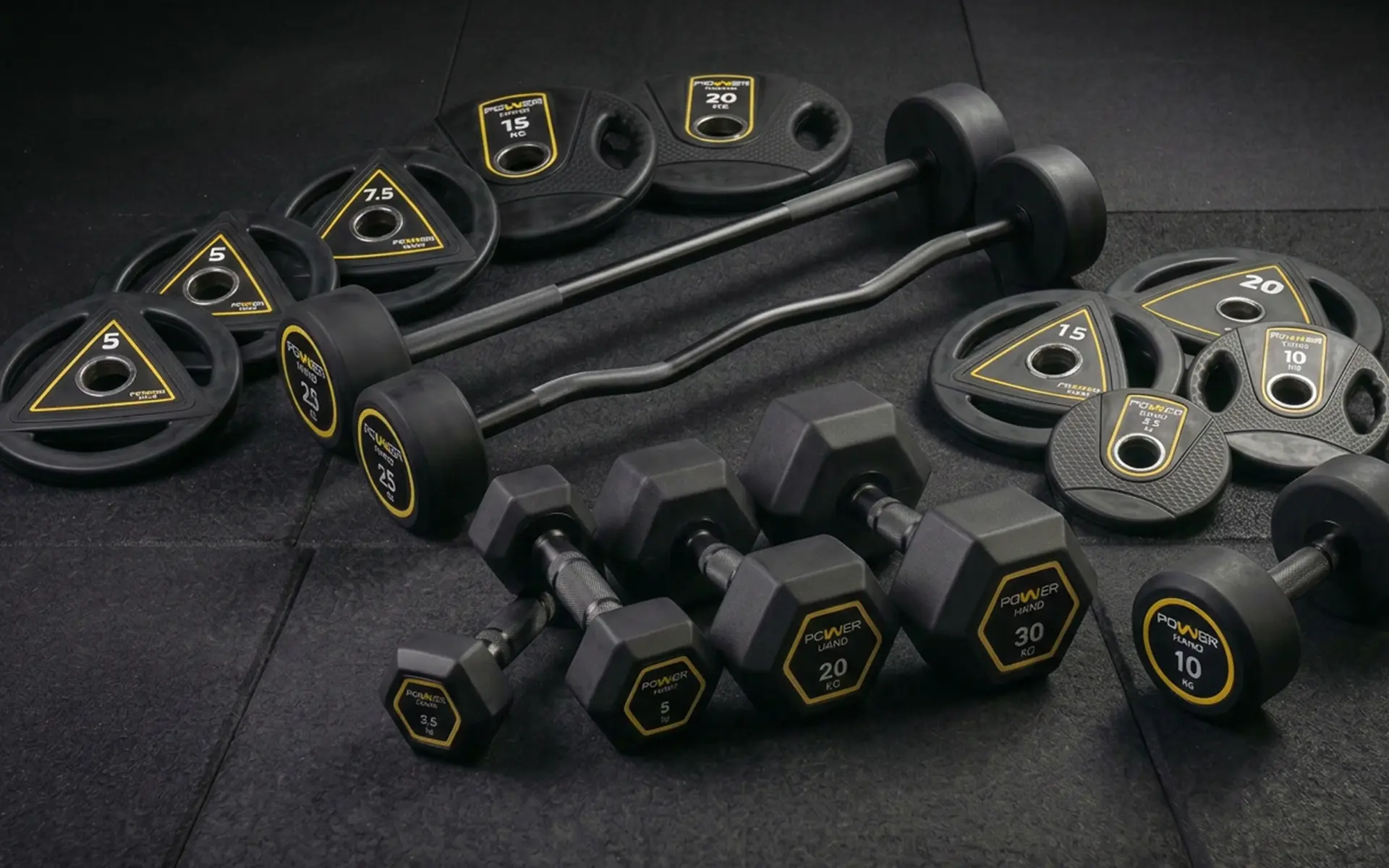
Why Equipment Quality Matters More Than Ever
In today's competitive fitness market, the quality of your equipment directly impacts member retention, safety records, and long-term operating costs. Whether you are outfitting a new commercial gym or replacing worn-out inventory, a structured evaluation process saves money and prevents costly mistakes.
At Anka Force Sport, we have been manufacturing commercial-grade fitness equipment since 2002 and have shipped to over 50 countries. Over two decades, we have seen buyers make the same avoidable errors. This checklist distils that experience into a practical guide you can use with any supplier.
1. Material Composition
The core of every dumbbell and weight plate determines its lifespan. Cast iron is the industry standard for free-weight cores because it absorbs vibration, resists deformation, and holds tight dimensional tolerances. Ask your supplier whether they use recycled cast iron — it is environmentally responsible and, when processed correctly, delivers the same mechanical properties as virgin material.
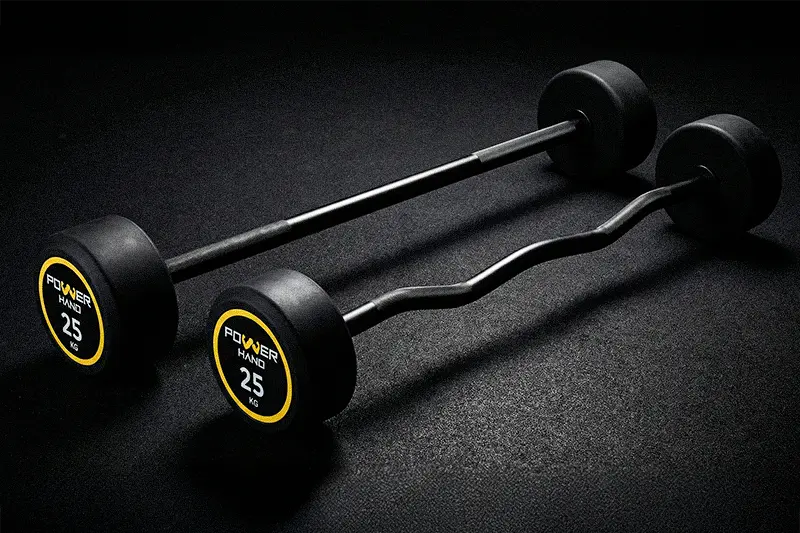
For Olympic bars, look for high-tensile steel shafts with a minimum yield strength suitable for the bar's intended load rating. Chrome or zinc coatings on the shaft protect against corrosion in high-humidity gym environments.
2. Weight Tolerance
Commercial-grade equipment typically carries a tolerance of ±2–3 % of the stated weight. This is perfectly acceptable for general fitness and bodybuilding applications. Competition-calibrated plates are held to tighter bands, but the added cost is unnecessary for most commercial settings. Always ask for the documented tolerance range and spot-check samples with a calibrated scale.
3. Rubber Coating Quality
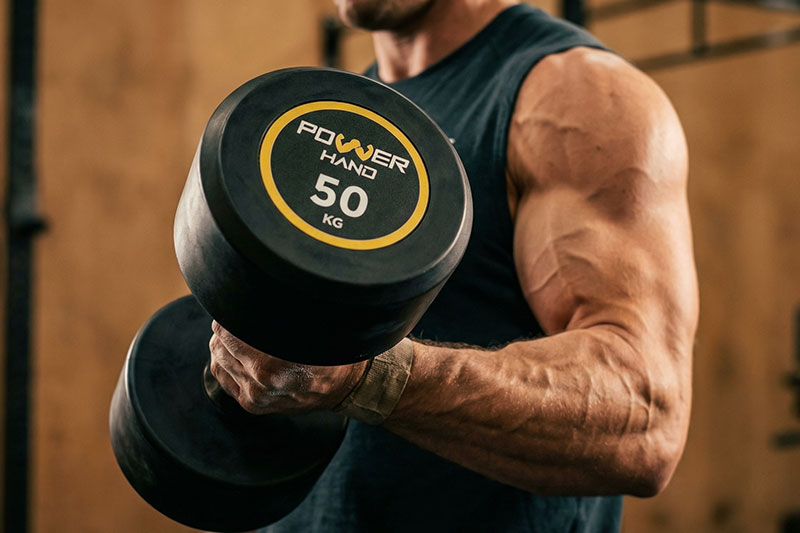
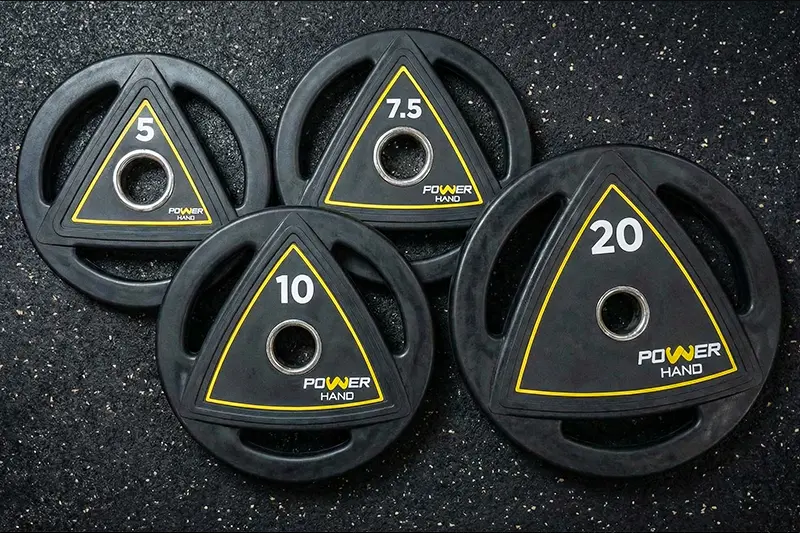
Rubber-coated plates protect floors, reduce noise, and extend equipment life. Key questions to ask include whether the rubber is virgin or recycled, how it is bonded to the cast iron core, and whether the coating is uniform in thickness. Recycled rubber is an excellent choice for bumper plates and encased dumbbells — it performs comparably to virgin rubber while reducing environmental impact.
Check for off-gassing: high-quality recycled rubber should have minimal odour after a brief airing period. If a sample still smells strongly after 48 hours in a ventilated room, the rubber formulation may be substandard.
4. Surface Finish and Labelling
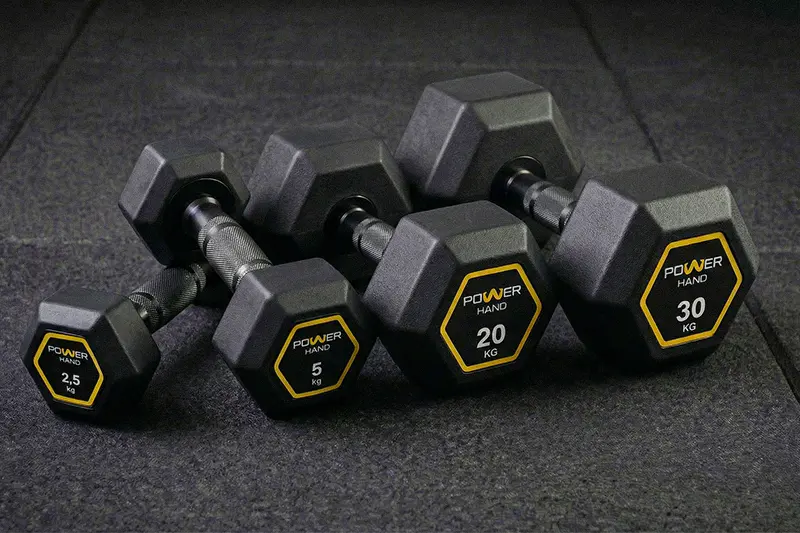
Weight markings should be clearly legible and permanently applied — raised lettering on cast iron or deeply embossed labels on rubber. Painted-on numbers wear off within months in a busy gym. If you are ordering private-label equipment, confirm that the manufacturer can embed your branding directly into the mould rather than applying decals.
5. Weld and Assembly Inspection
For racks, benches, and dumbbell stands, inspect weld seams for consistency. Uniform bead width with no visible porosity indicates skilled welding. Powder-coated frames should show an even coating with no bare spots. Pull on adjustable components and pivot points — there should be no play or wobble.
6. Packaging and Shipping Readiness
Quality does not end at the factory door. Equipment should arrive in packaging that prevents transit damage. Ask about pallet stacking limits and whether the supplier offers partial-pallet shipping for smaller orders. A manufacturer willing to ship without a minimum order quantity demonstrates confidence in their product and flexibility for growing businesses.
7. Documentation and Certifications
Request material test certificates, tolerance inspection reports, and any applicable safety certifications. A reputable manufacturer will provide these without hesitation. Look for ISO quality management standards, CE marking for the European market, and any regional fitness-equipment-specific certifications.
8. Factory Visit or Virtual Tour
Whenever possible, visit the production facility. Observe the casting, machining, and coating processes first-hand. If travel is impractical, ask for a live video call walk-through. A transparent manufacturer will welcome the scrutiny — it is an opportunity to build trust and demonstrate capability.
Conclusion
Evaluating fitness equipment quality is a systematic process, not a guessing game. Use this checklist every time you assess a new supplier or product line, and you will consistently make purchasing decisions that protect your investment and your members. When you are ready to see these standards in action, reach out to our team for samples and technical documentation.