The CrossFit Box: A Unique Equipment Challenge
Setting up a CrossFit box is fundamentally different from equipping a traditional gym. CrossFit programming demands equipment that can handle high-intensity, high-repetition work — often involving drops from overhead. This means durability and versatility are paramount, and your equipment choices directly impact both safety and programming options.
Essential Equipment: The Non-Negotiables
Bumper Plates
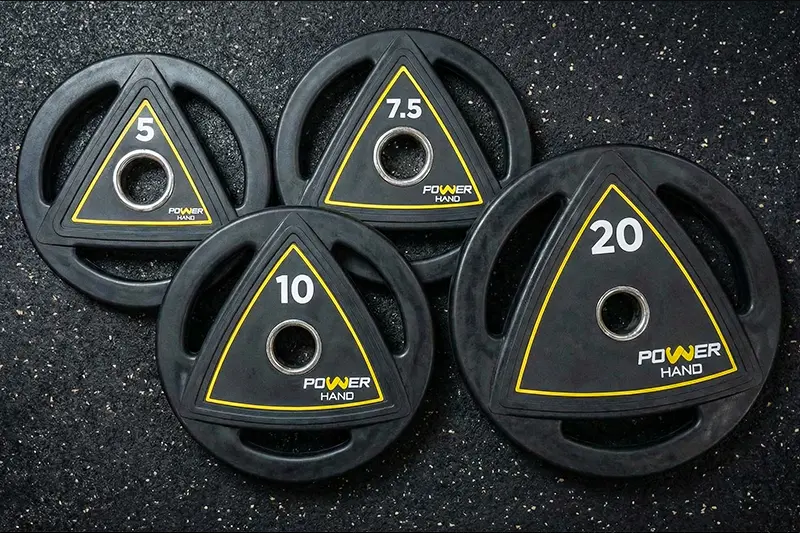
Bumper plates are the foundation of any CrossFit box. Unlike cast iron plates, bumper plates are designed to be dropped from overhead without damaging the plate, the bar, or your floor. You'll need a full colour-coded range:
- 10 kg (green): 6–10 pairs — heavily used for warm-ups and lighter WODs
- 15 kg (yellow): 4–8 pairs
- 20 kg (blue): 6–10 pairs — the most used weight in most boxes
- 25 kg (red): 4–6 pairs
Anka Force Sport manufactures bumper plates using recycled rubber over a cast iron hub. They're built for the repeated drops that CrossFit demands, with a consistent bounce and durability that commercial boxes require.
Olympic Barbells
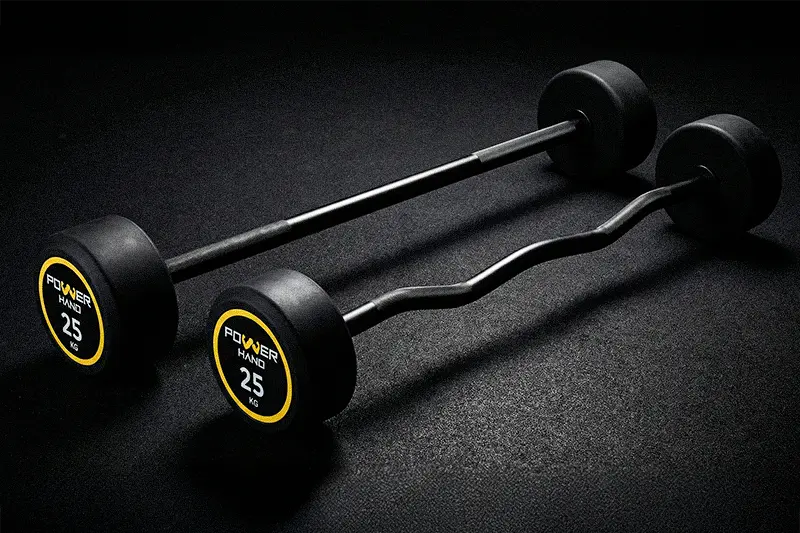
You'll need more barbells than you think. If your largest class has 20 athletes, you need at least 20 bars — plus spares. Multi-purpose bars (20 kg men's, 15 kg women's) handle the variety of movements in CrossFit programming: cleans, snatches, squats, presses, and deadlifts.
Dumbbells
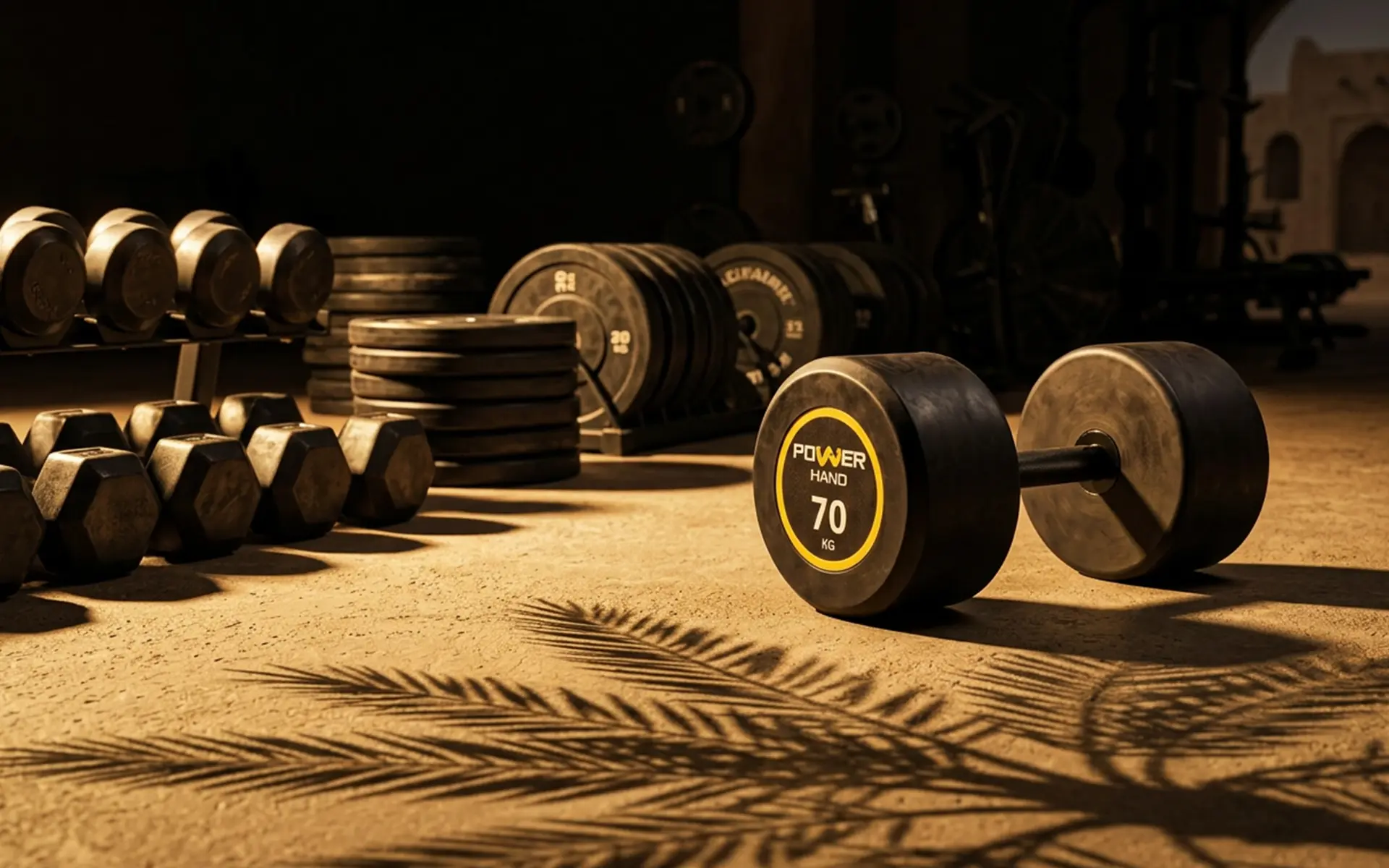
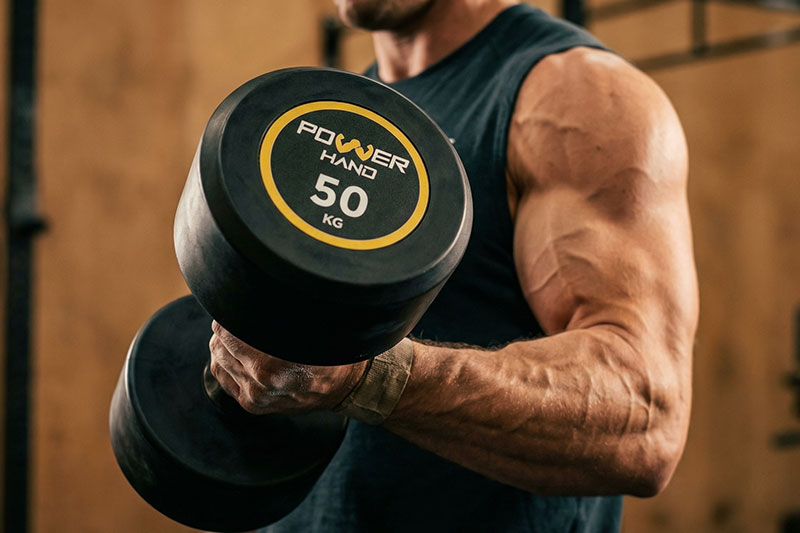
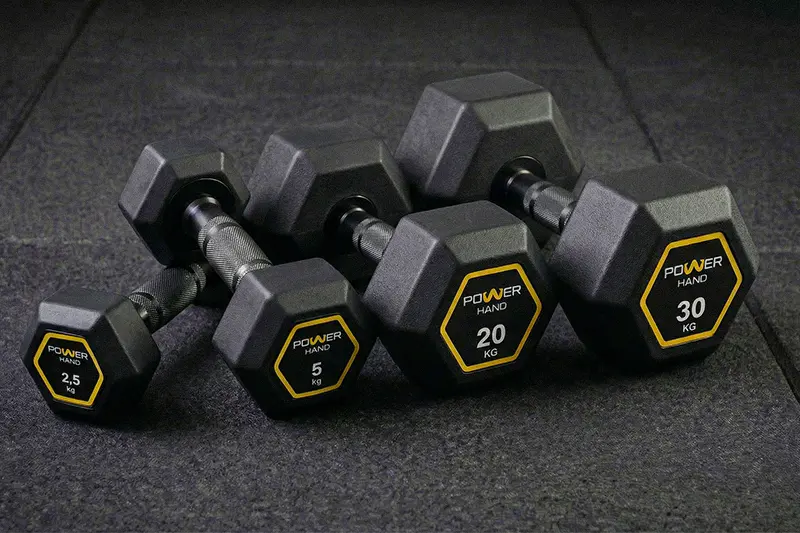
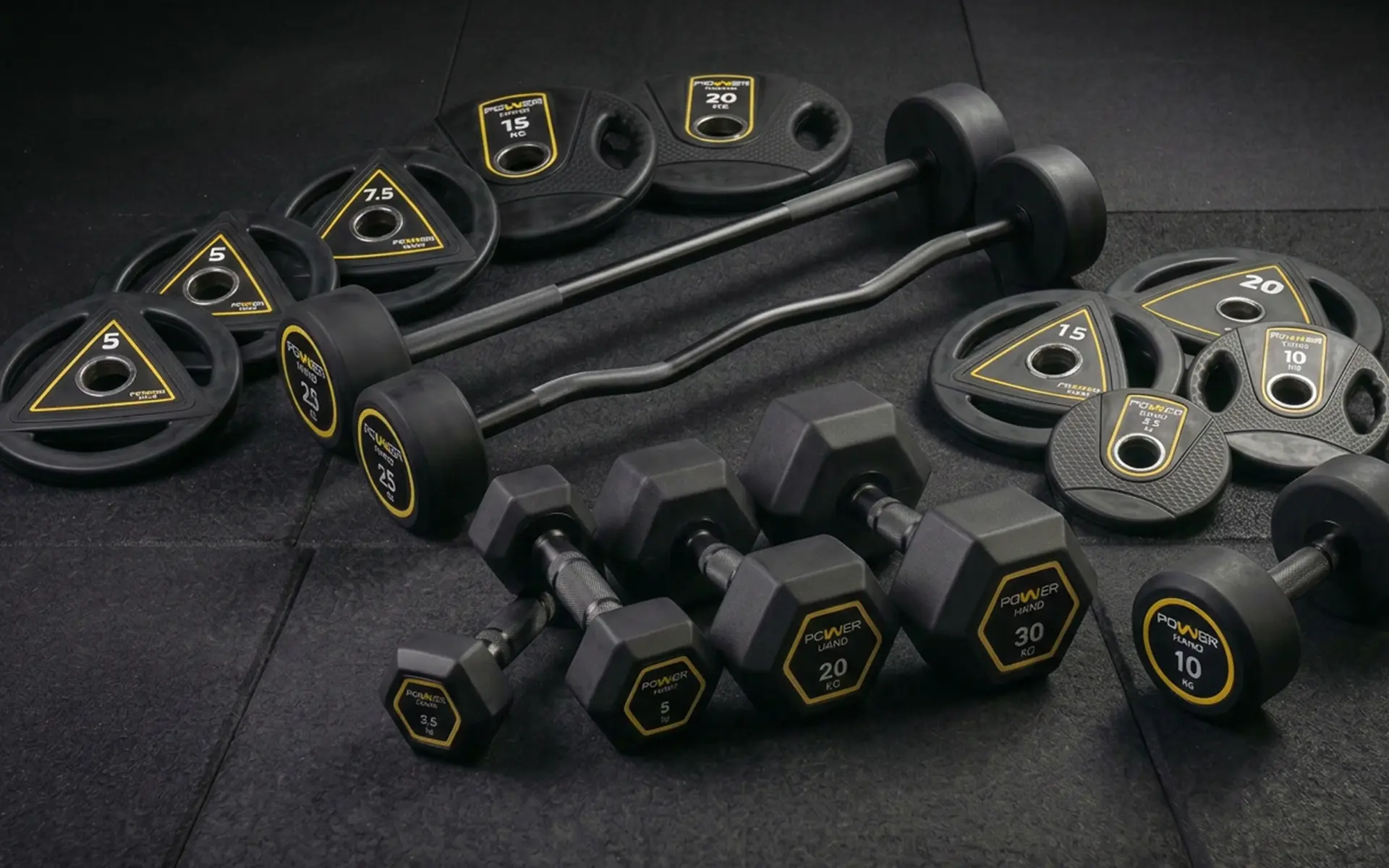
CrossFit increasingly programs dumbbell movements. A core set from 10–30 kg, with multiple pairs of 15 kg and 22.5 kg (commonly prescribed weights), covers most WODs. Explore our dumbbell range for options suited to high-volume environments.
Pull-Up Rigs and Squat Racks
A freestanding rig system with integrated pull-up bars, J-hooks for squats, and space for accessories is the centrepiece of any box.
Secondary Equipment
- Kettlebells: 8–32 kg range, multiple pairs of 16 kg and 24 kg
- Wall balls: 6–14 kg
- Plyo boxes: 50/60/75 cm
- Rowing machines and assault bikes: At least 1 per 4 athletes
- Gymnastic rings: 1 pair per 2 athletes
- Skipping ropes: Speed ropes, 1 per athlete
Layout Planning
Space Requirements
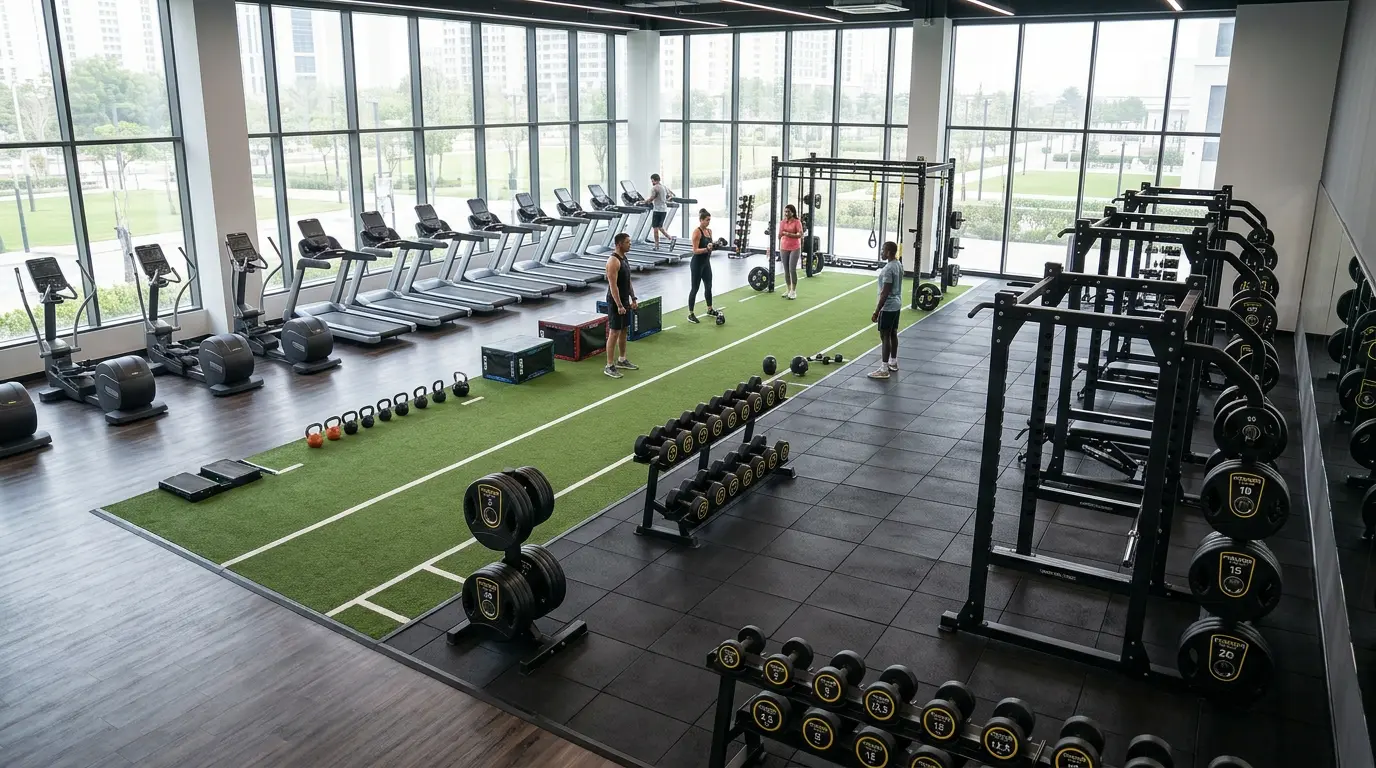
A minimum of 200 m² is recommended for a box serving 15–20 athletes per class. This includes:
- Main training floor: At least 150 m² for lifting platforms and WOD space
- Warm-up/stretching area: 20–30 m²
- Storage: 15–20 m² for plates, dumbbells, accessories
- Reception and changing areas: Remaining space
Flooring
Rubber flooring is non-negotiable. For lifting zones, double-layer rubber mats (20 mm minimum) protect both equipment and the subfloor. Drop zones should use even thicker matting or dedicated lifting platforms.
Lifting Stations
Each lifting station needs approximately 2.5 m × 2.5 m of clear space. Arrange stations in rows with at least 1.5 m between them for safety during dynamic movements.
Equipment Organisation
Efficient equipment storage is critical in a CrossFit environment where transitions between movements must be fast:
- Plate trees positioned between lifting stations
- Dumbbell racks along walls
- Barbell wall racks or vertical storage
- Kettlebell shelving at floor level
Purchasing Strategy
Opening a CrossFit box doesn't require buying everything at once. A phased approach works well:
Phase 1 (Opening): Barbells, bumper plates, rig, and essential accessories. This covers 90% of CrossFit programming.
Phase 2 (Months 2–6): Dumbbells, additional bumper plates, rowing machines, specialized equipment based on member demand.
Phase 3 (Months 6–12): Expand plate inventory, add specialty bars, upgrade accessories.
With Anka Force Sport, this phased approach is simple — there's no minimum order requirement, so you can order exactly what you need, when you need it. Our factory ships to European destinations within 5–10 days by road.
Planning your CrossFit box? Contact our team for a complete equipment recommendation tailored to your space and class size.