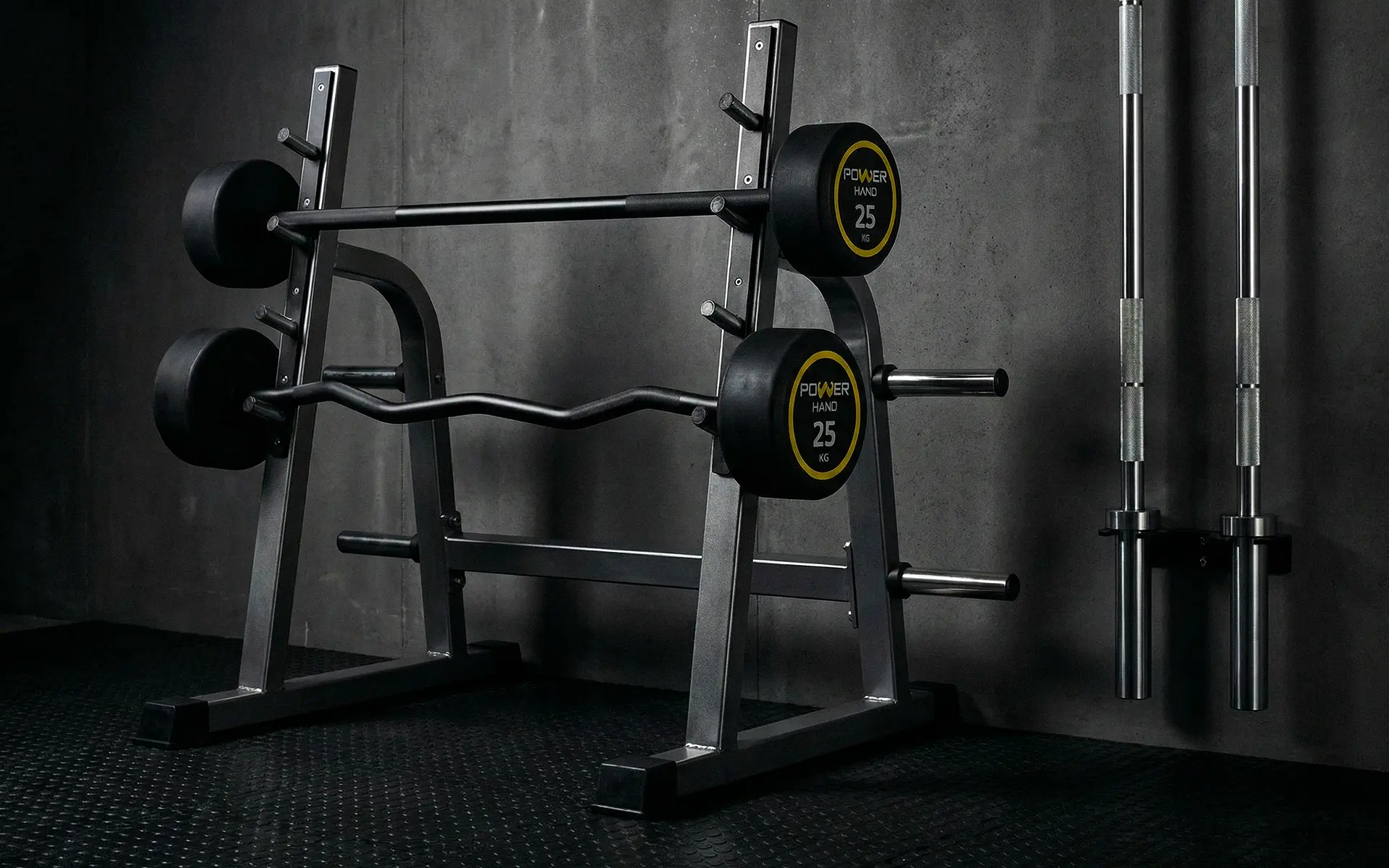
What Makes a Barbell "Olympic"?
The term "Olympic barbell" refers to a specific set of dimensions and performance standards. An Olympic bar is 220 cm (7.2 ft) long, weighs 20 kg, and has 50 mm rotating sleeves that accept Olympic-sized weight plates. These specifications are universal, which means plates and bars from different manufacturers are interchangeable.
Understanding these standards is critical whether you're outfitting a single platform or an entire training facility. At Anka Force Sport, we manufacture Olympic bars designed for the demands of commercial gym use — built to last through thousands of sessions.
Key Specifications to Understand
Bar Weight and Length
- Men's Olympic bar: 220 cm long, 20 kg, 28 mm shaft diameter
- Women's Olympic bar: 201 cm long, 15 kg, 25 mm shaft diameter
- Training/technique bar: 180–220 cm, 10–15 kg, used for learning proper form
Sleeve Diameter and Rotation
All Olympic bars have 50 mm sleeves. The rotation mechanism matters: bushings offer smooth, durable rotation for general training; needle bearings provide faster spin for Olympic lifting. For most commercial gyms, bushing bars offer the best balance of performance and longevity.
Steel Grade and Tensile Strength
Barbell shafts are made from steel, and the tensile strength (measured in PSI) determines how much the bar can flex before permanent deformation. Commercial gym bars typically range from 150,000 to 190,000 PSI. Higher tensile strength means less whip — important for powerlifting. More whip is preferred for Olympic lifts like the clean and jerk.
Knurling
Knurling is the crosshatch pattern on the shaft that provides grip. Key considerations:
- Aggressive knurling: Better for powerlifting and heavy deadlifts
- Moderate knurling: Ideal for commercial gyms where comfort across high reps matters
- Centre knurl: Present on men's Olympic bars, absent on women's bars
Types of Olympic Bars
Multi-Purpose Bars
The most common choice for commercial gyms. Designed to handle squats, bench press, deadlifts, and Olympic movements reasonably well. If you're buying one type of bar, this is it.
Powerlifting Bars
Stiffer, with aggressive knurling and no whip. Designed for the squat, bench, and deadlift. Centre knurl is standard. Typically 29 mm shaft diameter for men's competition bars.
Olympic Weightlifting Bars
More whip, needle bearings for fast spin, and moderate knurling. The 28 mm shaft and responsive flex help lifters receive the bar in the catch position.
Specialty Bars
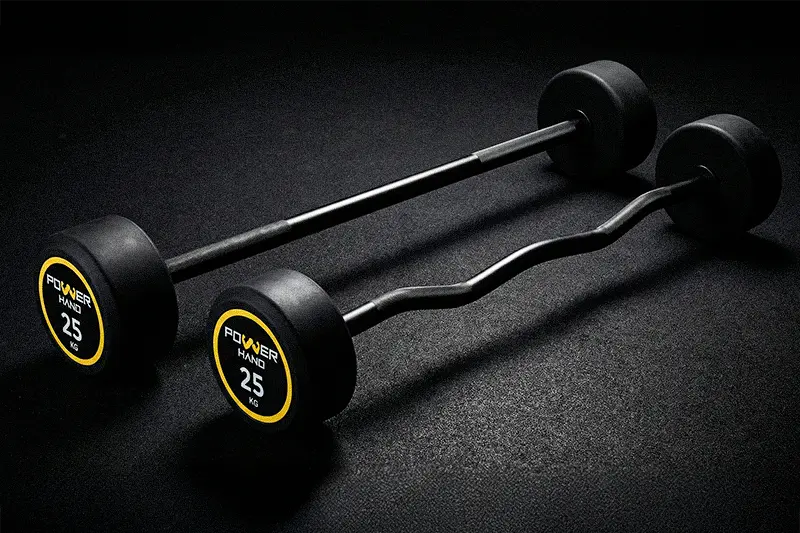
Trap bars (hex bars), EZ curl bars, safety squat bars, and more. These serve specific training purposes and are valuable additions to a well-equipped facility. View our product range for the complete selection.
Choosing the Right Bar for Your Facility
For a general commercial gym, we recommend stocking primarily multi-purpose bars. Add specialty bars based on your programming and member needs. Key factors:
- Durability: Commercial bars must handle being dropped, loaded unevenly, and used by hundreds of people weekly
- Finish: Chrome, zinc, or cerakote — each offers different corrosion resistance and feel
- Warranty: A sign of the manufacturer's confidence in their product
Pairing Bars with the Right Plates
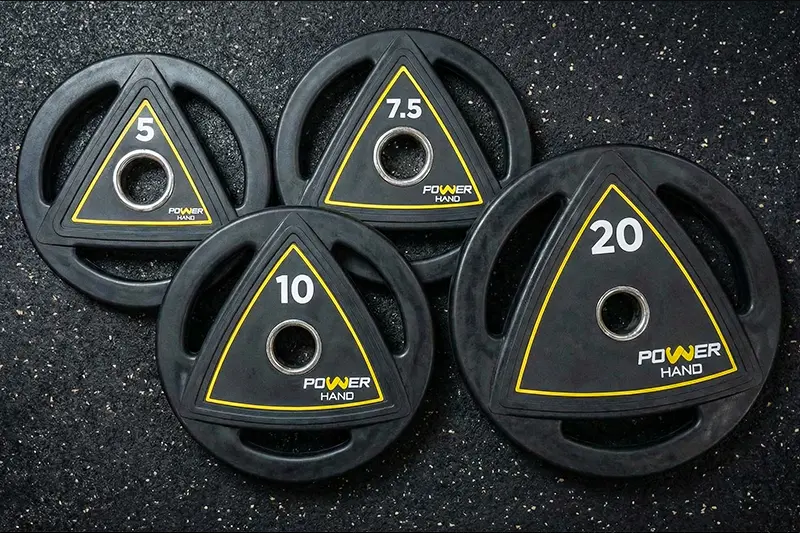
Olympic bars pair with 50 mm bore weight plates. For facilities where bars will be dropped — CrossFit boxes, Olympic lifting platforms — bumper plates are essential. For standard strength training, cast iron Olympic plates provide excellent value and durability. Anka Force Sport manufactures both, using recycled cast iron and recycled rubber.
Need help specifying bars and plates for your facility? Get in touch with our team — we'll help you build the right setup, whether it's a single platform or a 50-rack gym.