Why Gym Flooring Deserves Serious Attention
Flooring is one of the most overlooked investments in a commercial gym, yet it directly affects member safety, equipment longevity, noise levels, and overall training experience. The wrong flooring choice leads to cracked subfloors, damaged equipment, noise complaints, and potential liability. A well-planned flooring system, on the other hand, protects your investment and enhances every workout that takes place in your facility.
At Anka Force Sport, we have equipped hundreds of commercial gyms since 2002 and consistently see flooring decisions made as an afterthought. This guide brings flooring to the front of your planning process where it belongs.
Understanding Flooring Types
Rubber flooring dominates the commercial gym market for good reason. It absorbs impact, resists heavy loads, cleans easily, and lasts for years under intense use. The three main formats are interlocking tiles, rolled rubber sheets, and poured rubber surfaces. Interlocking tiles offer the most flexibility — they can be installed without adhesive, replaced individually if damaged, and reconfigured as your gym layout evolves.
Rolled rubber provides seamless coverage for large open areas like functional training zones and group exercise spaces. Poured or vulcanised rubber surfaces deliver the highest performance but require professional installation and a larger budget. Each format has its place depending on the specific zone within your facility.
Thickness Matters: Matching Flooring to Activity
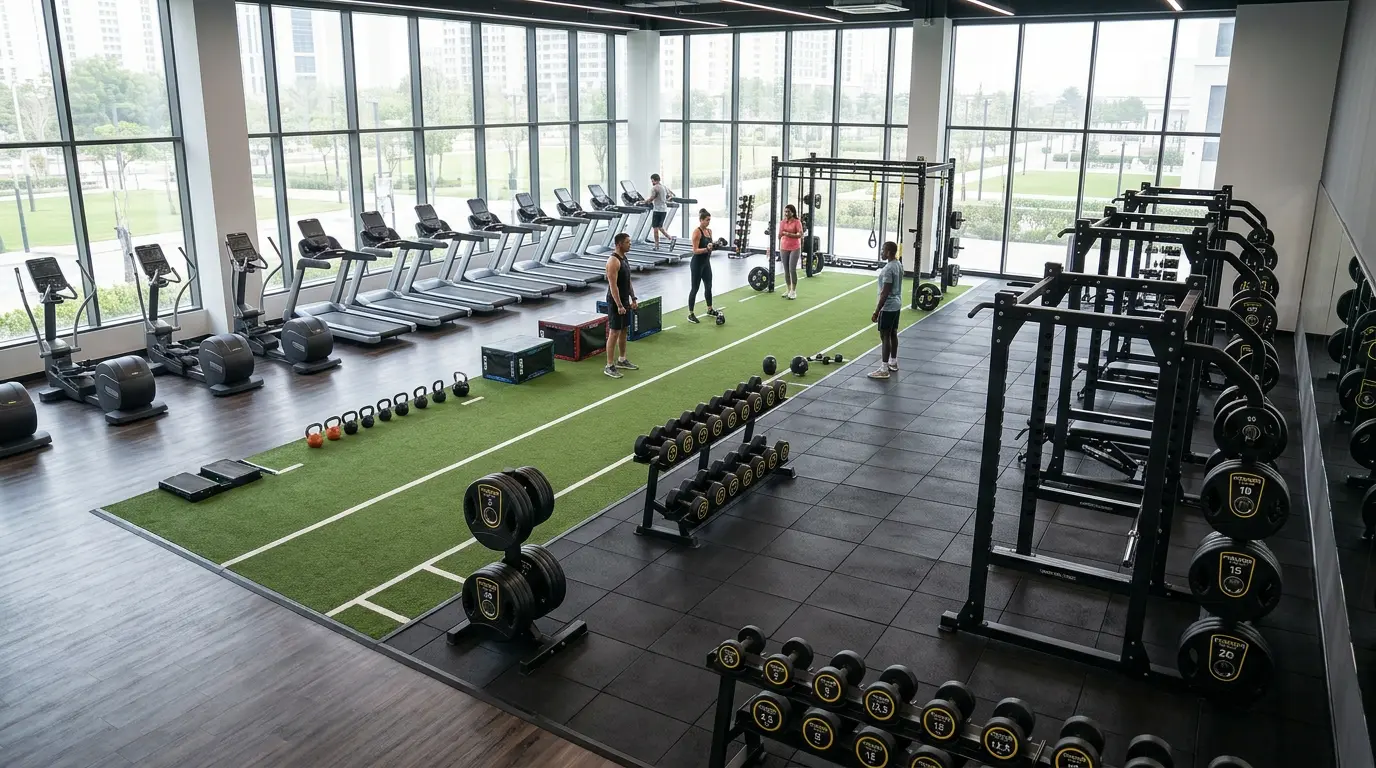
Not every area of your gym needs the same flooring thickness. A general strength training area with dumbbells and machines performs well with 8 mm to 10 mm rubber tiles. Free-weight zones where cast iron plates and heavy dumbbells are regularly placed on the floor need at least 15 mm to 20 mm thickness to absorb impact and protect the subfloor.
Olympic lifting platforms require the thickest protection — 30 mm to 40 mm of high-density rubber, often combined with a wooden centre insert for stable footing during lifts. Bumper plate drop zones should feature the densest rubber available to handle repeated overhead drops without compressing permanently.
Noise and Vibration Control
Noise is the number one complaint in mixed-use buildings that house gyms. Thick rubber flooring with a high shore hardness rating absorbs the impact energy from dropped weights and converts it to heat rather than sound. If your gym is above another tenant or near residential areas, consider a floating floor system with an additional acoustic underlay beneath the rubber surface.
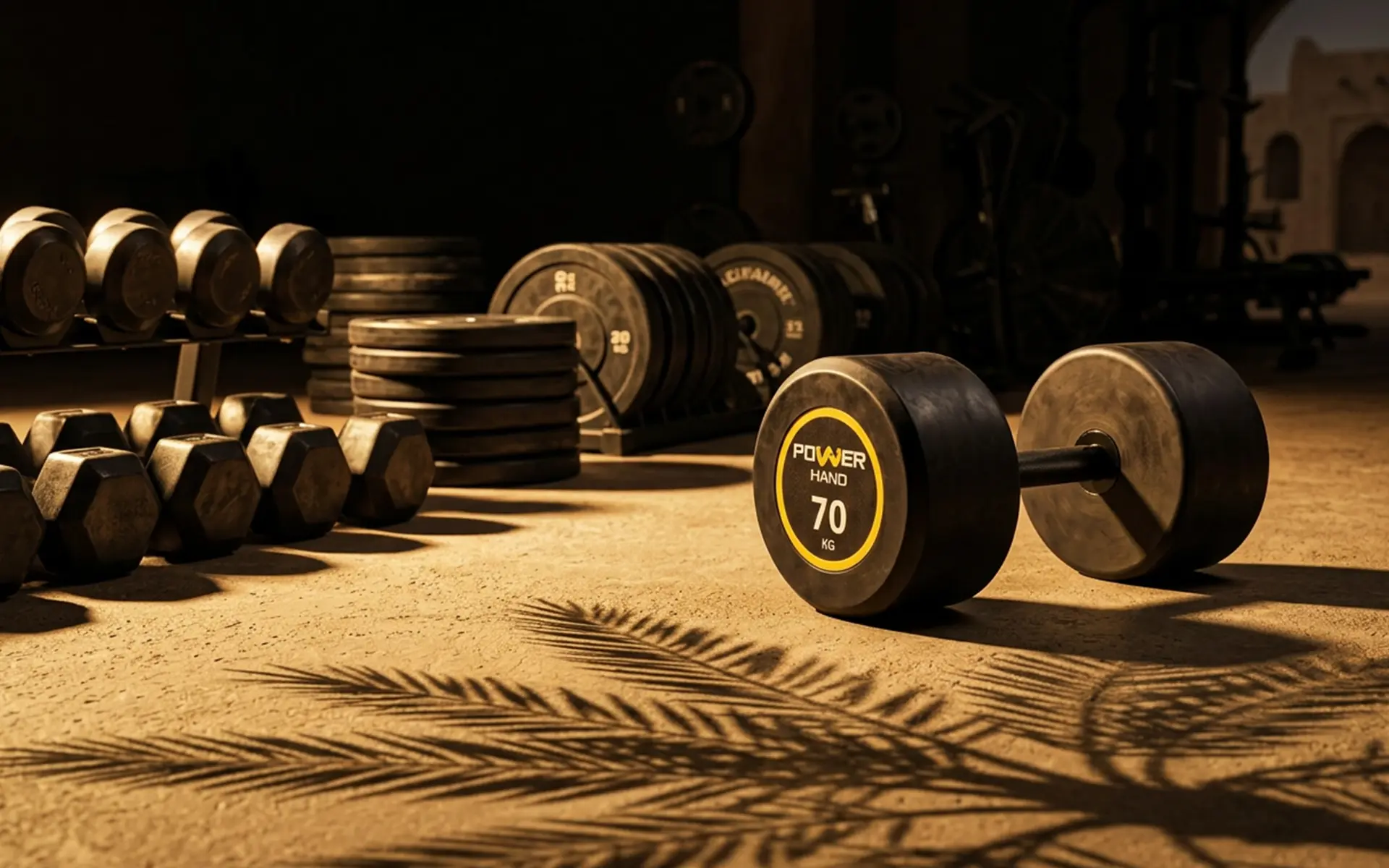
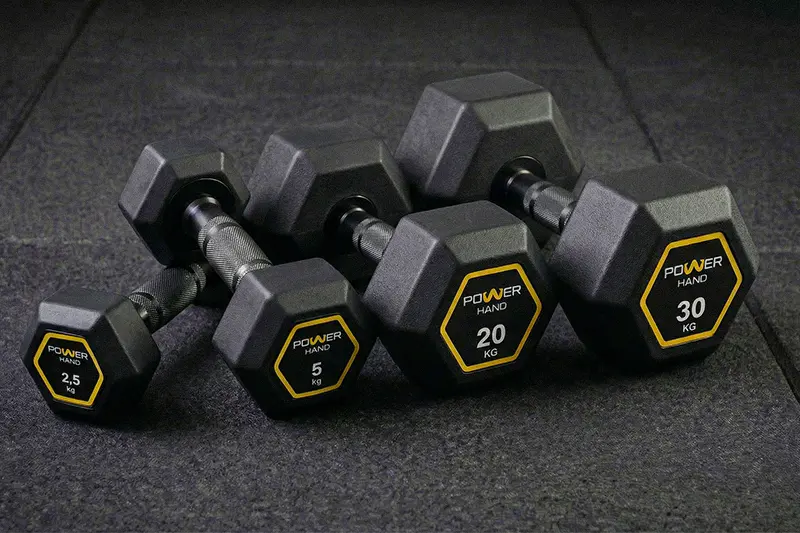
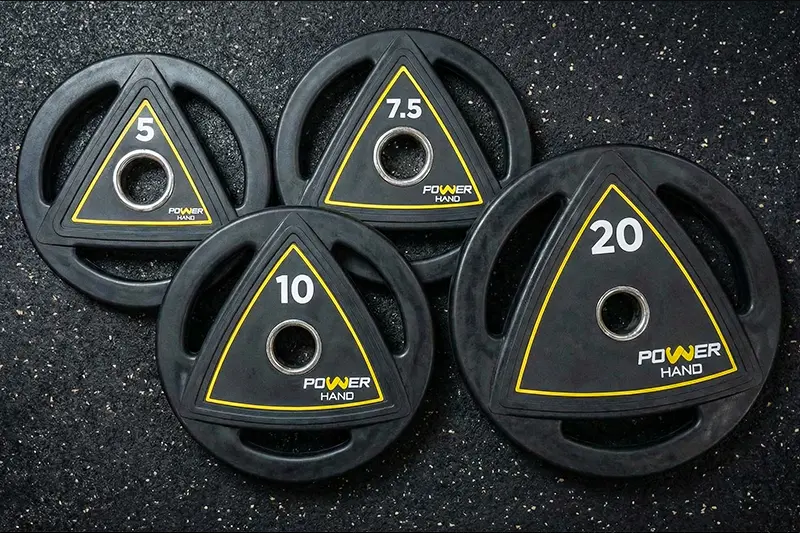
Equipment like cast iron Olympic plates and heavy hex dumbbells generate significant impact when set down. Pairing quality flooring with quality equipment — plates manufactured with recycled rubber coatings absorb more energy on contact than bare cast iron — creates a quieter training environment overall.
Durability and Maintenance
Commercial gym flooring should last a minimum of ten years under heavy use. Look for flooring rated for commercial applications with documented compression-set resistance. Maintenance is straightforward: regular sweeping, occasional damp mopping with a pH-neutral cleaner, and prompt removal of any chalk or liquid spills. Avoid harsh chemicals that break down rubber compounds over time.
Budget Planning and Installation
Flooring costs vary significantly by type and thickness. Interlocking rubber tiles in the 15 mm range offer the best balance of performance and cost for most commercial gyms. Factor in subfloor preparation, any necessary moisture barriers, and transition strips where different flooring types meet. Professional installation adds cost but ensures proper fit, especially for rolled and poured systems.
Conclusion
Your gym floor takes more punishment than any single piece of equipment. Investing in the right flooring from the start protects your building, your equipment, and your members. Plan your flooring zones by activity type, choose the appropriate thickness for each, and budget for quality materials that will perform for a decade or more. Contact the Anka Force Sport team for advice on pairing the right flooring with your equipment layout.