The Unique Challenge of University Fitness
University fitness centres serve a uniquely demanding population. Thousands of students cycle through the facility each week, many of them first-time gym users who may not handle equipment with the care of experienced athletes. Usage peaks are extreme — Monday evenings and January each year see surge demand that can overwhelm poorly planned facilities. Equipment must withstand this volume while remaining safe and inviting for beginners.
At Anka Force Sport, we have supplied equipment to university recreation departments across Europe and the Middle East. The lessons we have learned translate into practical guidance for any institution planning a new facility or upgrading an existing one.
Understanding Student Demographics
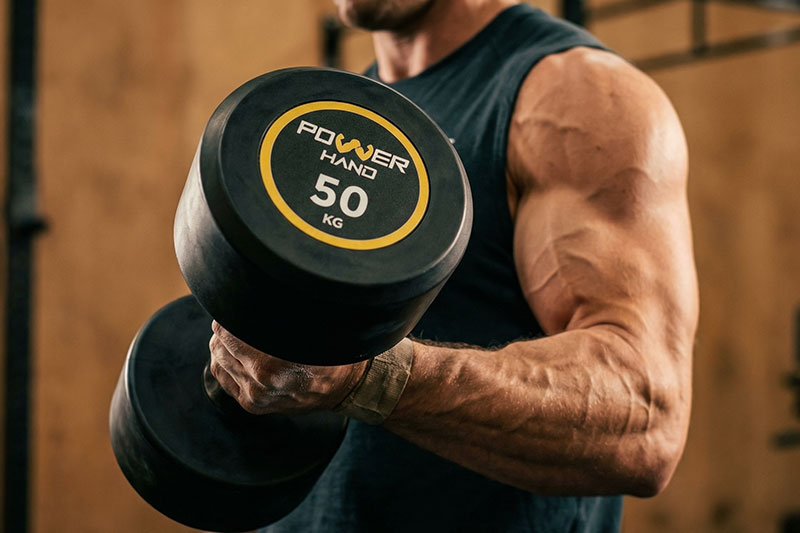
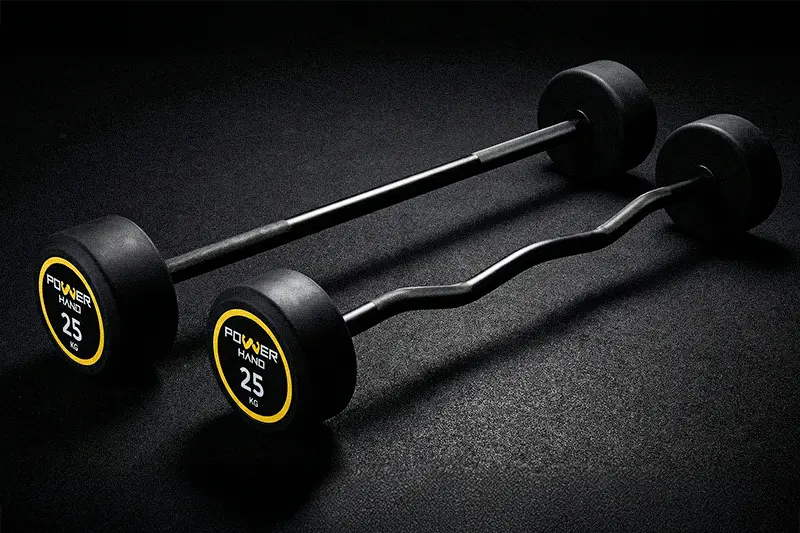
A university gym serves athletes, recreational exercisers, rehabilitation patients, and complete beginners simultaneously. This diversity demands a broad equipment mix. The free-weight area needs dumbbells ranging from very light weights for rehabilitation and beginners up to heavy loads for varsity athletes. Olympic bars and bumper plates support the growing popularity of functional fitness and Olympic lifting among students.
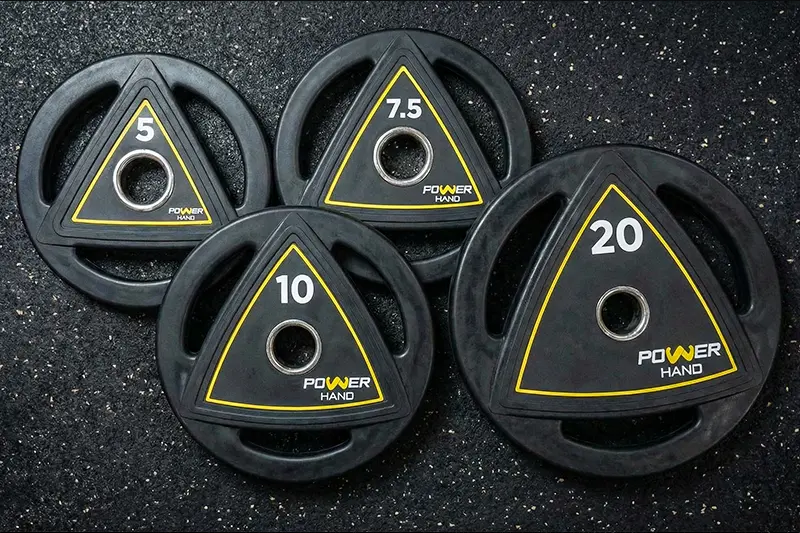
Cast iron Olympic plates with recycled rubber coatings are ideal for university settings. The rubber protects floors from the inevitable drops that occur when inexperienced users are learning proper technique, while cast iron cores ensure the plates maintain their rated weight within ±2–3 % tolerance for years of heavy use.
Durability as the Primary Criterion
In a university setting, durability trumps every other consideration. Equipment will be used by hundreds of different people every day, often without the careful handling that a private gym member might provide. Select dumbbells with fully encased rubber coating over exposed cast iron — this protects both the equipment and the floor when weights are inevitably dropped or placed down hard.
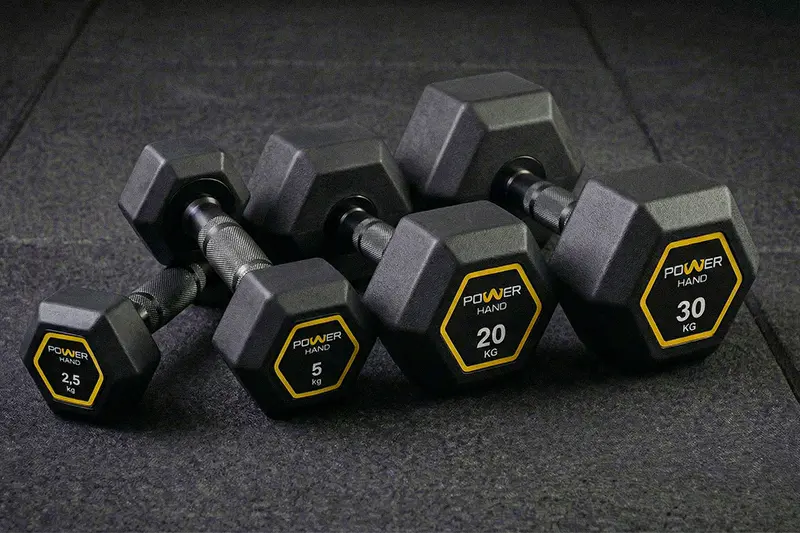
Hex-shaped dumbbell heads prevent rolling, which is a significant safety feature in a crowded university weight room. Knurled handles should have a medium-aggressive pattern that provides grip without tearing calluses — important for users who are lifting for the first time.
Layout and Flow
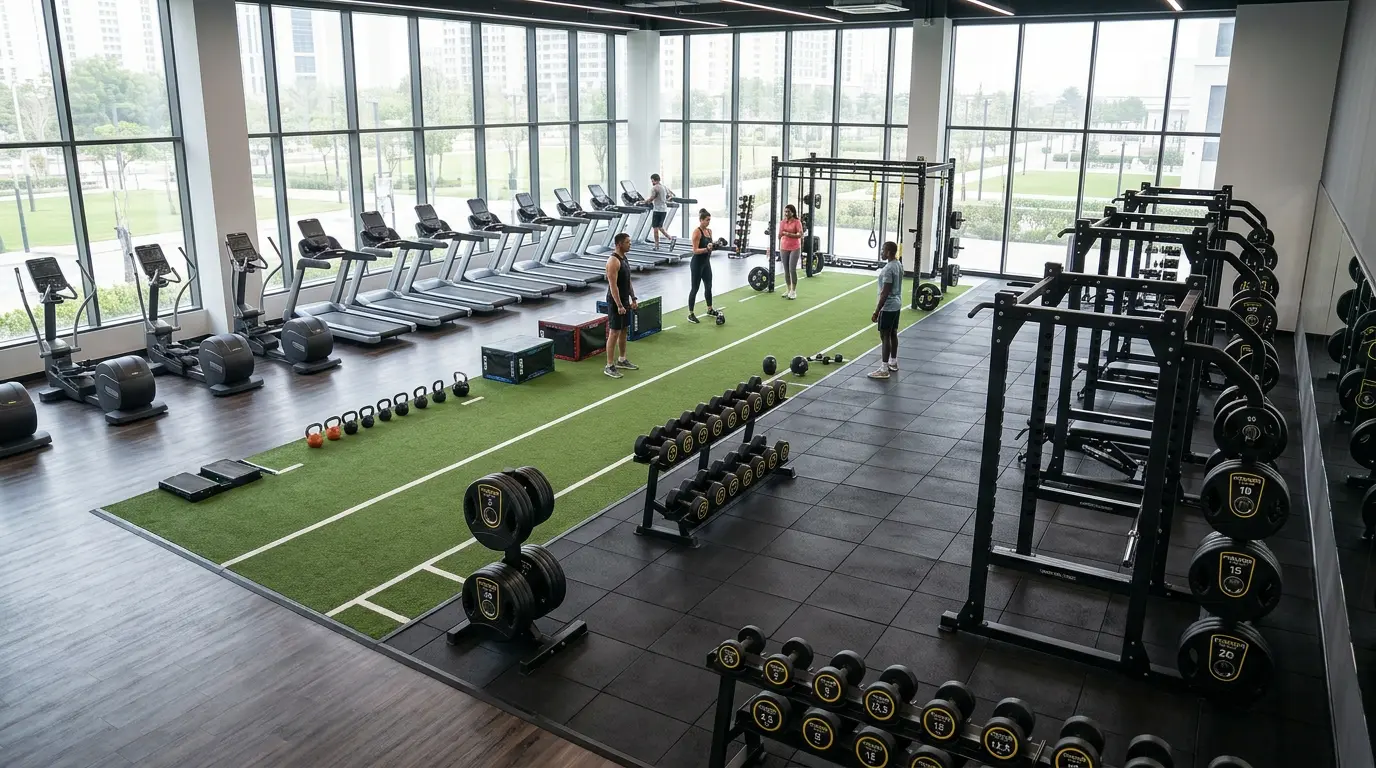
Traffic flow matters enormously in a high-volume university facility. Separate the free-weight area from machine and cardio zones with clear sight lines for staff supervision. Dumbbell racks should be positioned against walls or in island configurations that allow access from multiple sides during peak hours. Leave generous spacing between benches and squat racks — a minimum of 1.5 metres — to accommodate the high throughput.
Dedicate a functional training zone with bumper plates and Olympic bars where students can practise cleans, snatches, and deadlifts on appropriate flooring. This zone should be visible but acoustically separated if possible, as the sound of bumper plate drops carries throughout the facility.
Budget Optimisation
University budgets are typically allocated on annual cycles, which can make large equipment purchases challenging. Working with a manufacturer that offers no minimum order quantity and partial-pallet shipping allows institutions to phase equipment purchases across budget cycles without paying premium costs for small orders.
Investing in commercial-grade equipment upfront always costs less than replacing consumer-grade products every two to three years. Calculate the total cost of ownership over a ten-year horizon when presenting proposals to administration — the math consistently favours quality.
Safety and Accessibility
Universities have an obligation to provide safe, accessible fitness facilities. All equipment should meet relevant safety standards, and clear weight markings in both kilogrammes and pounds accommodate international student populations. Consider colour-coded weight plates for quick identification, which speeds up transitions and reduces the risk of students loading bars incorrectly.
Conclusion
A well-equipped university fitness centre supports student health, attracts enrolment, and serves the campus community for decades. Prioritise durability, plan for peak demand, and invest in commercial-grade equipment that can handle the unique intensity of university use. Anka Force Sport supplies universities across multiple countries — contact our institutional sales team for a tailored equipment proposal.